


26 Products
How to Choose Ramps
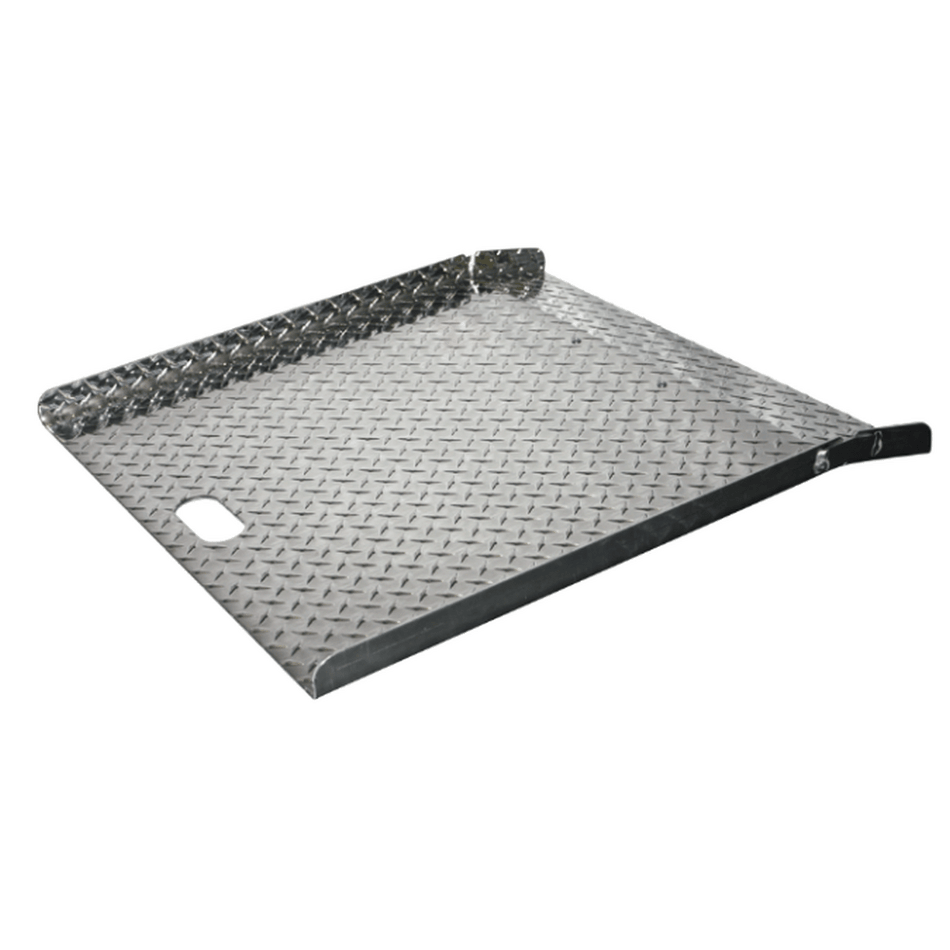
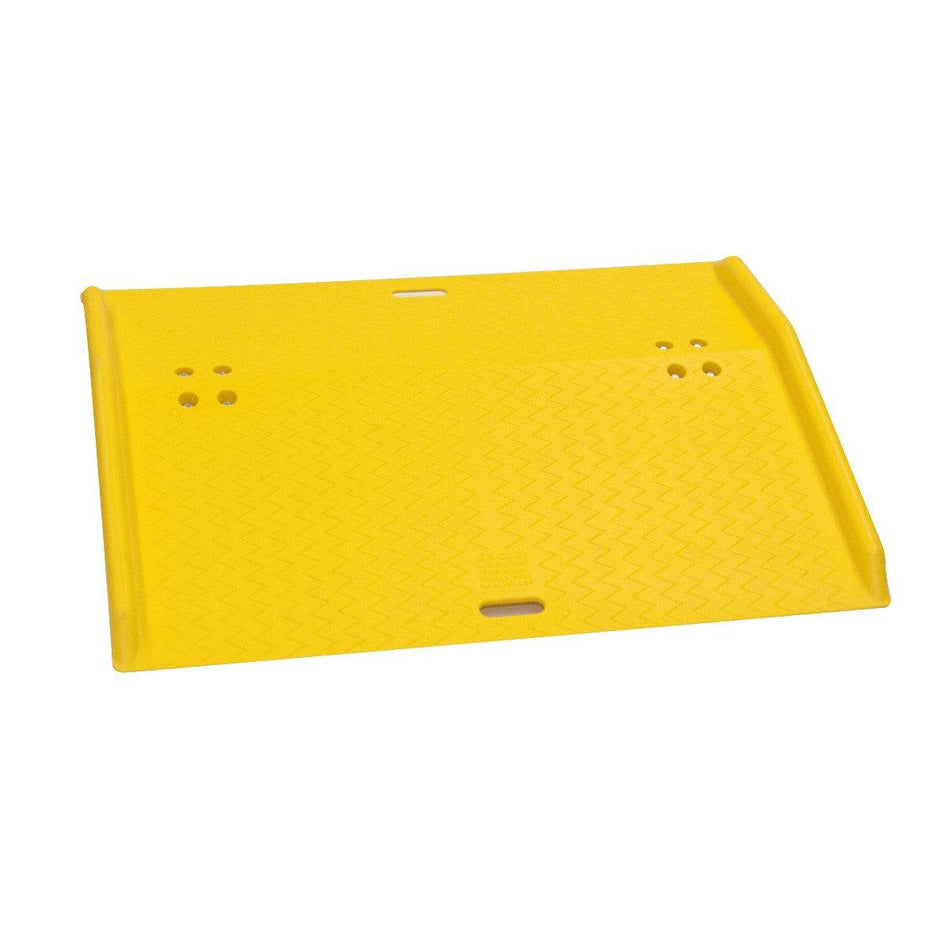
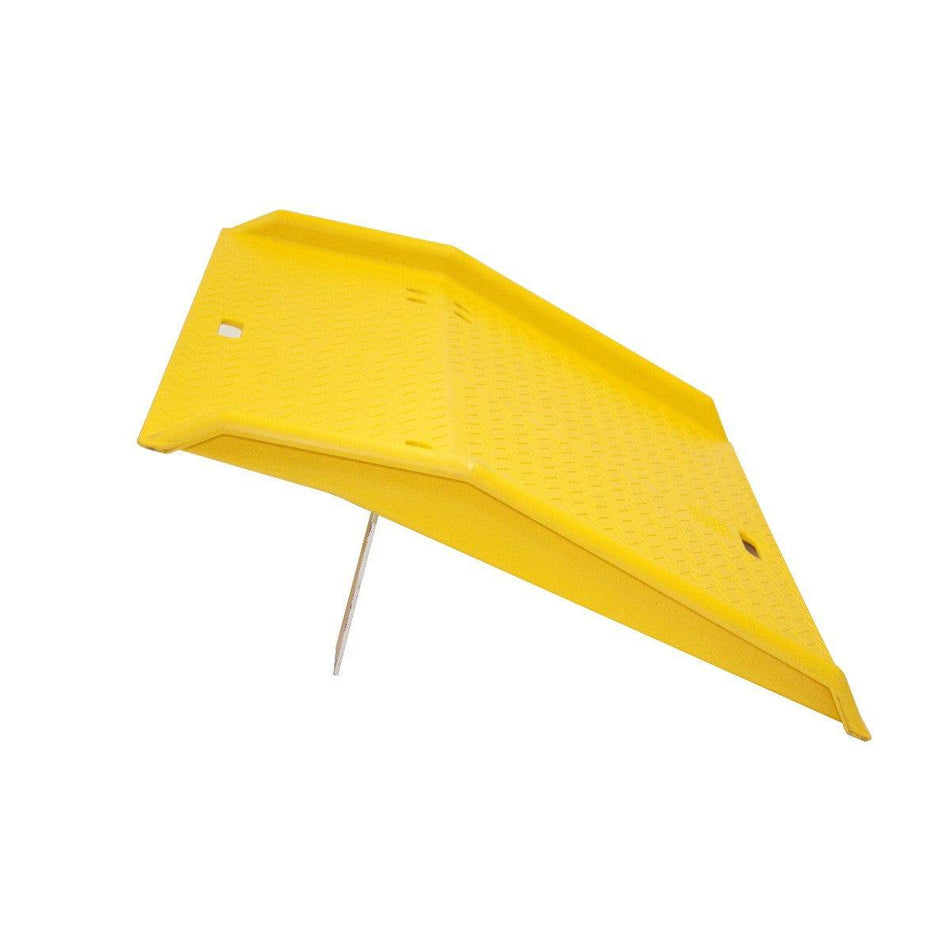
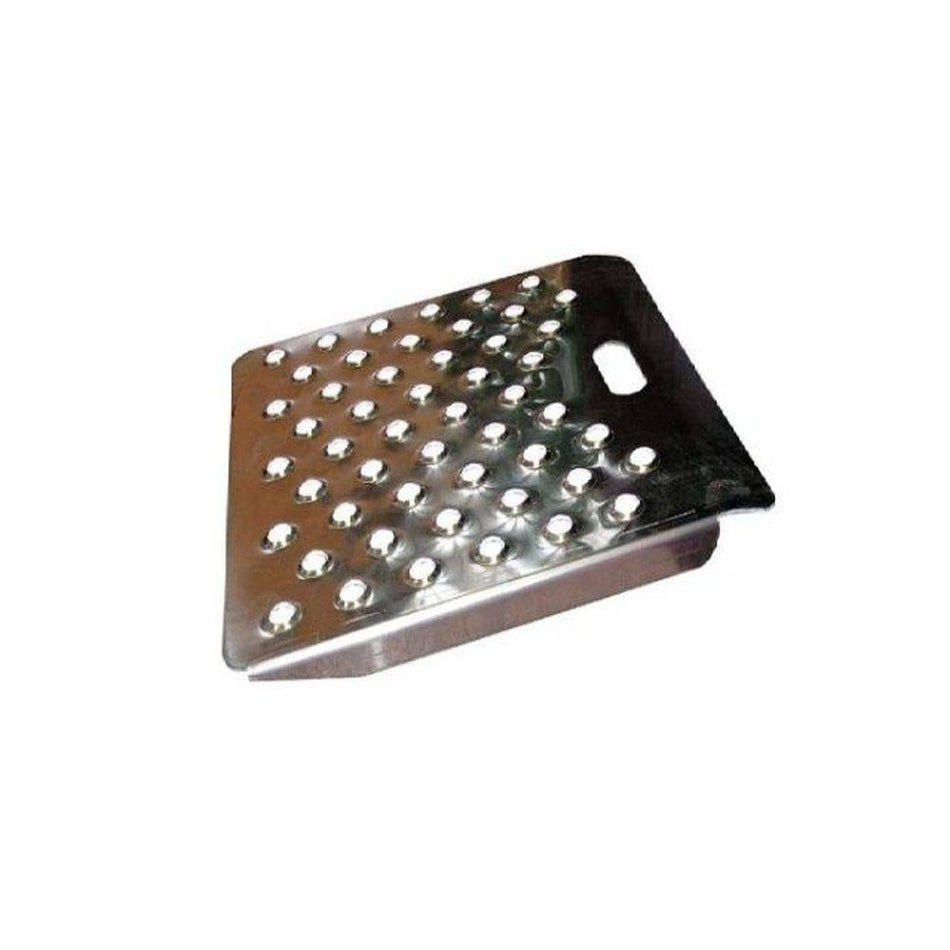
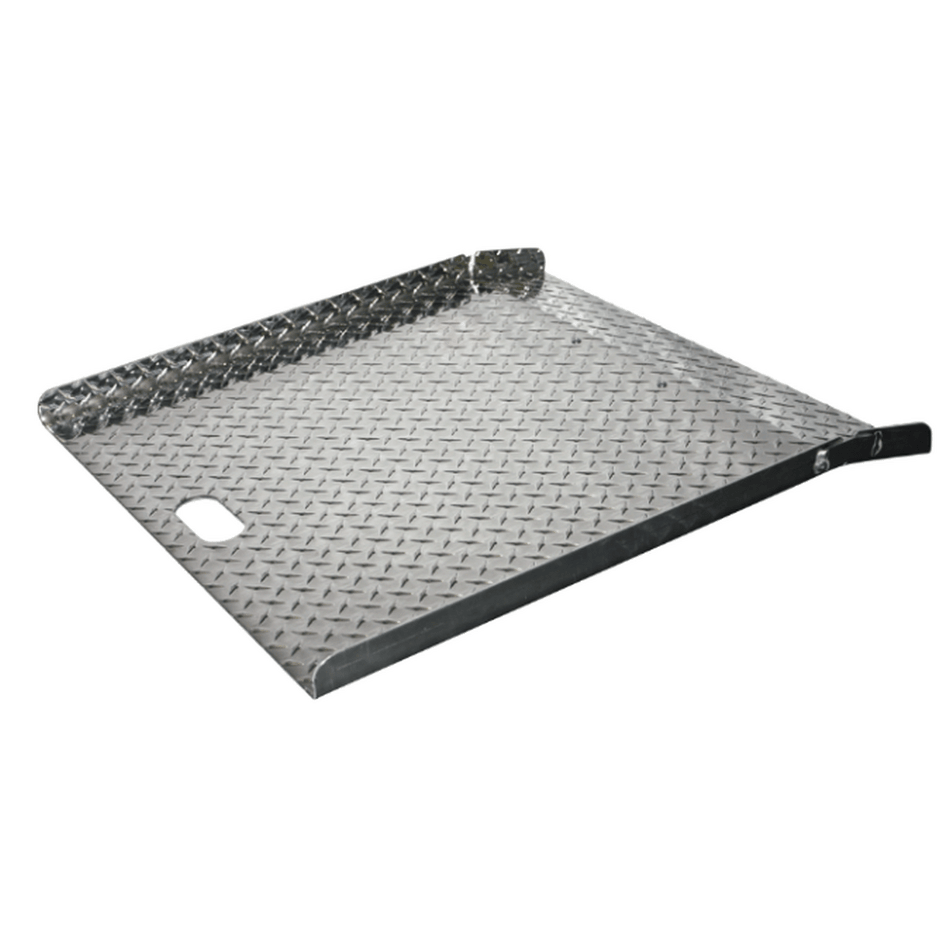
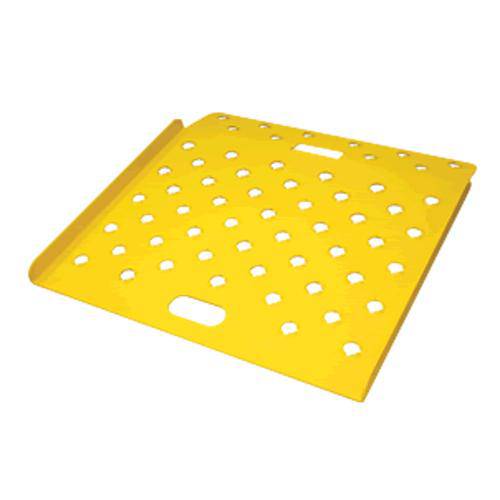
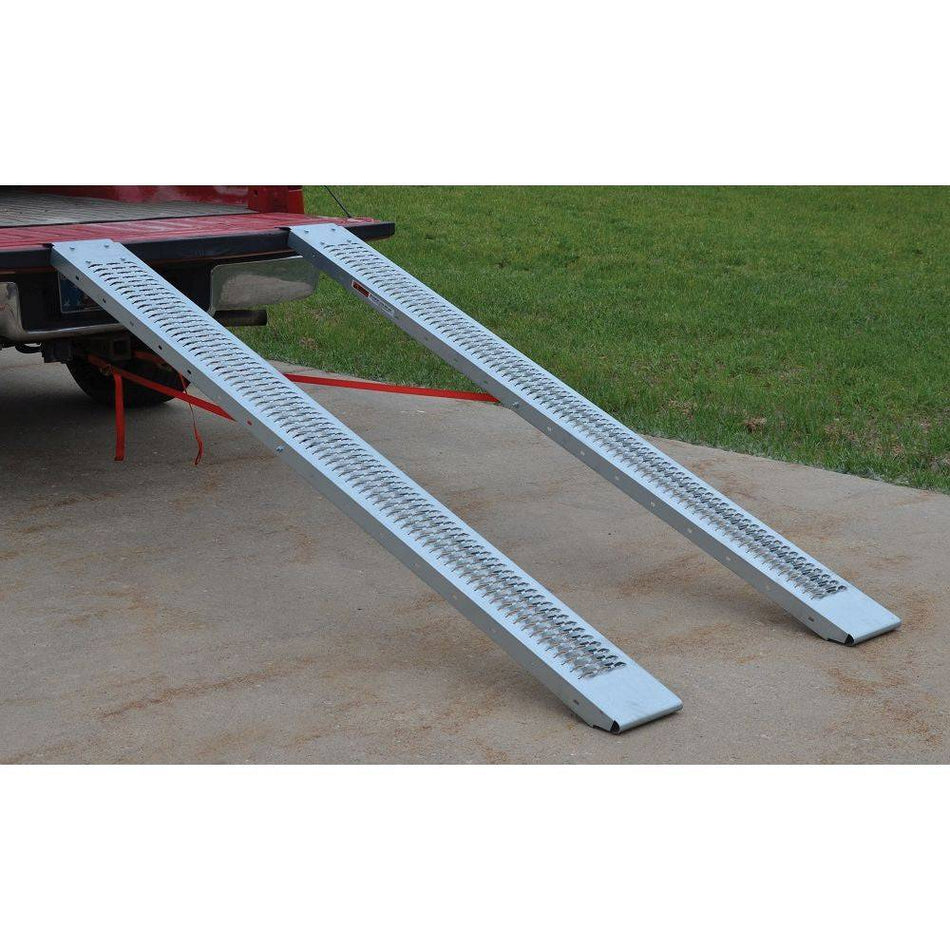
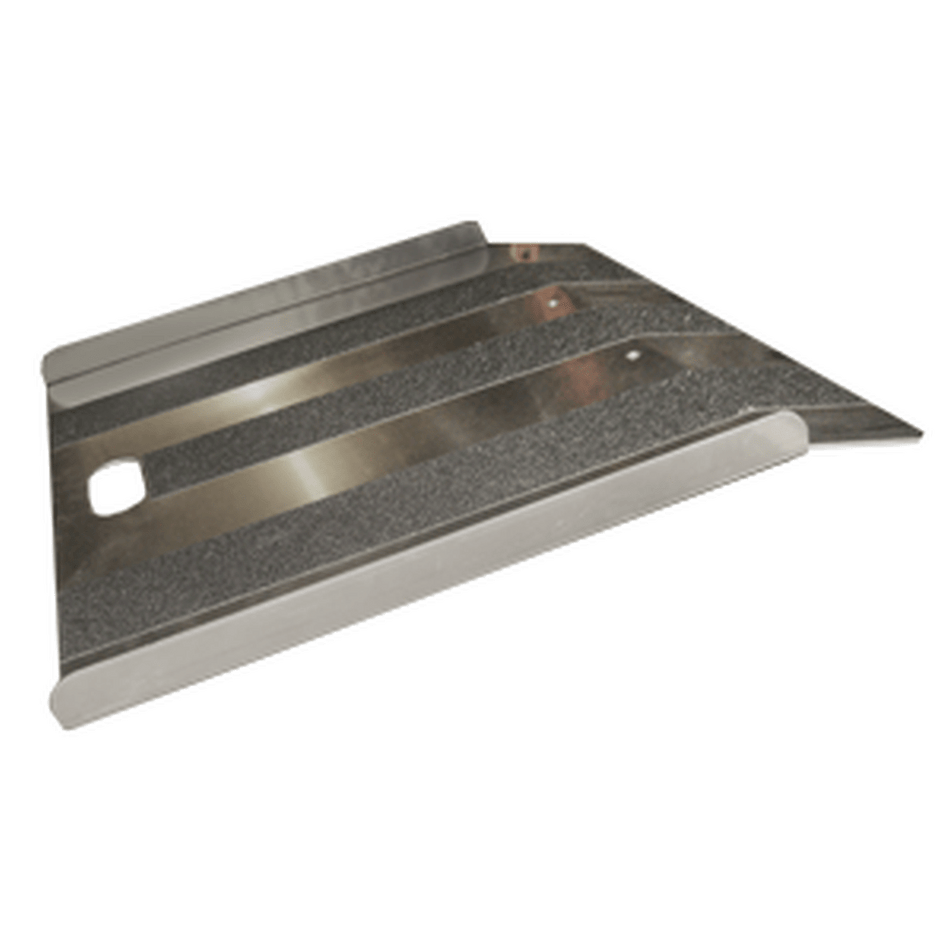
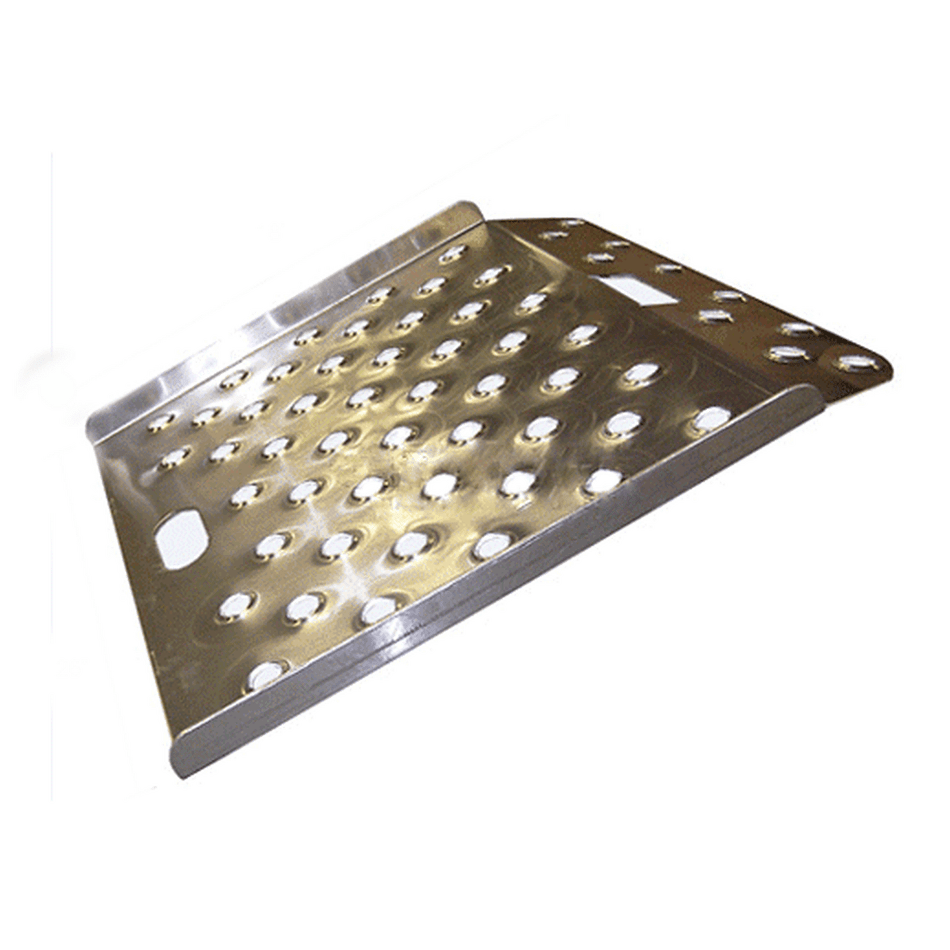
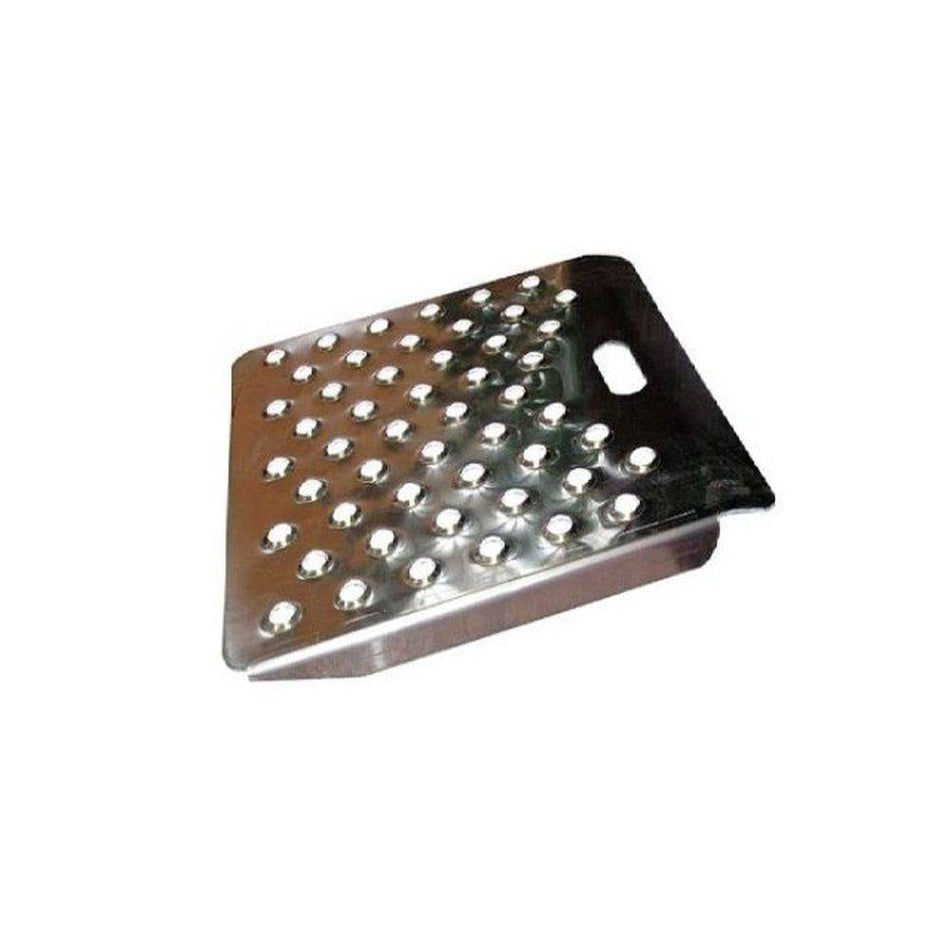
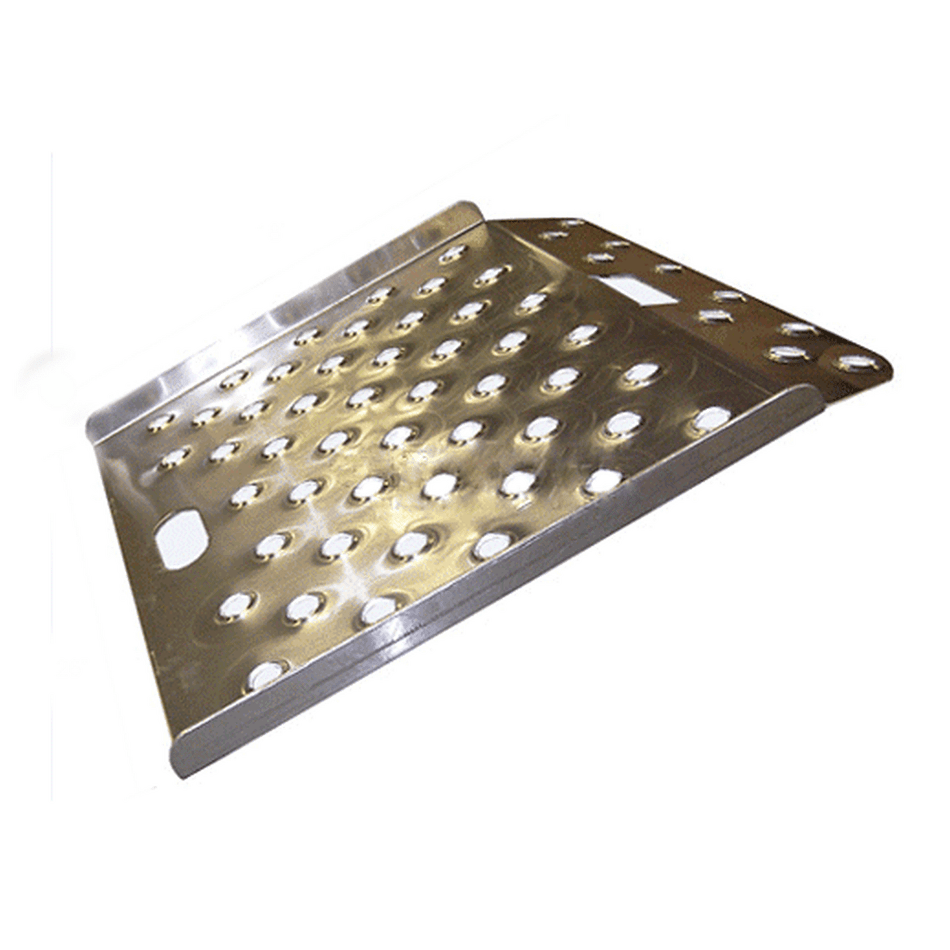
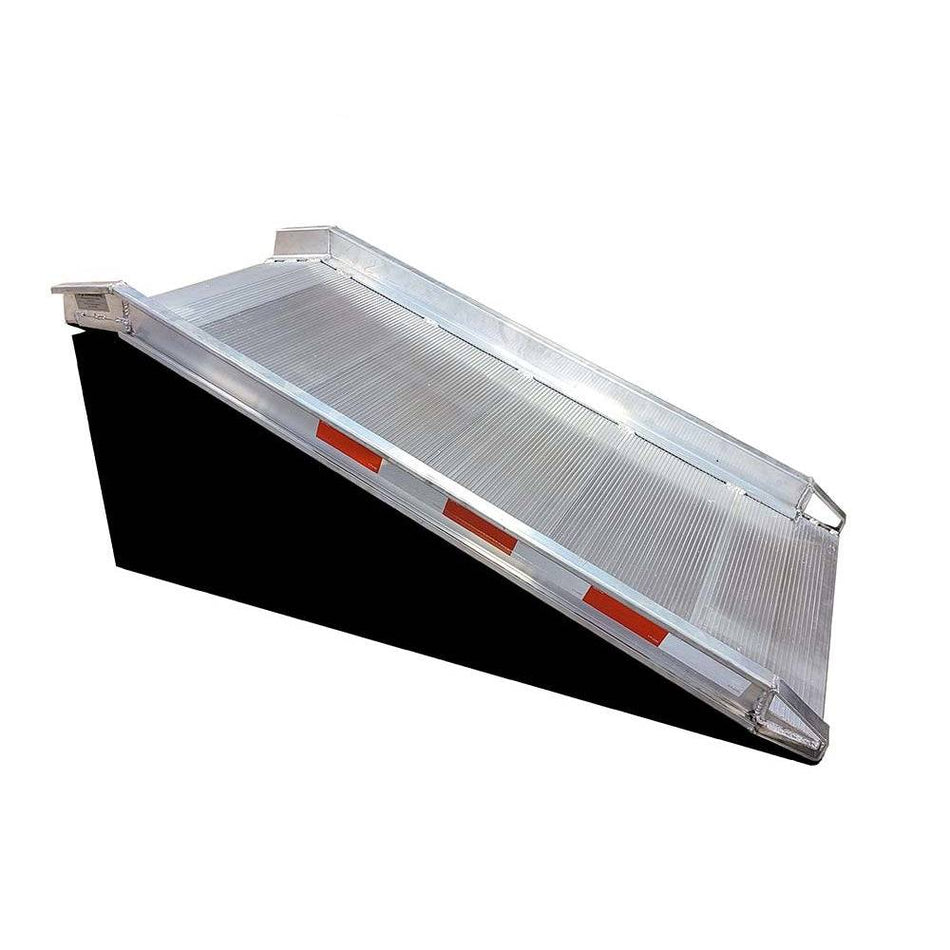
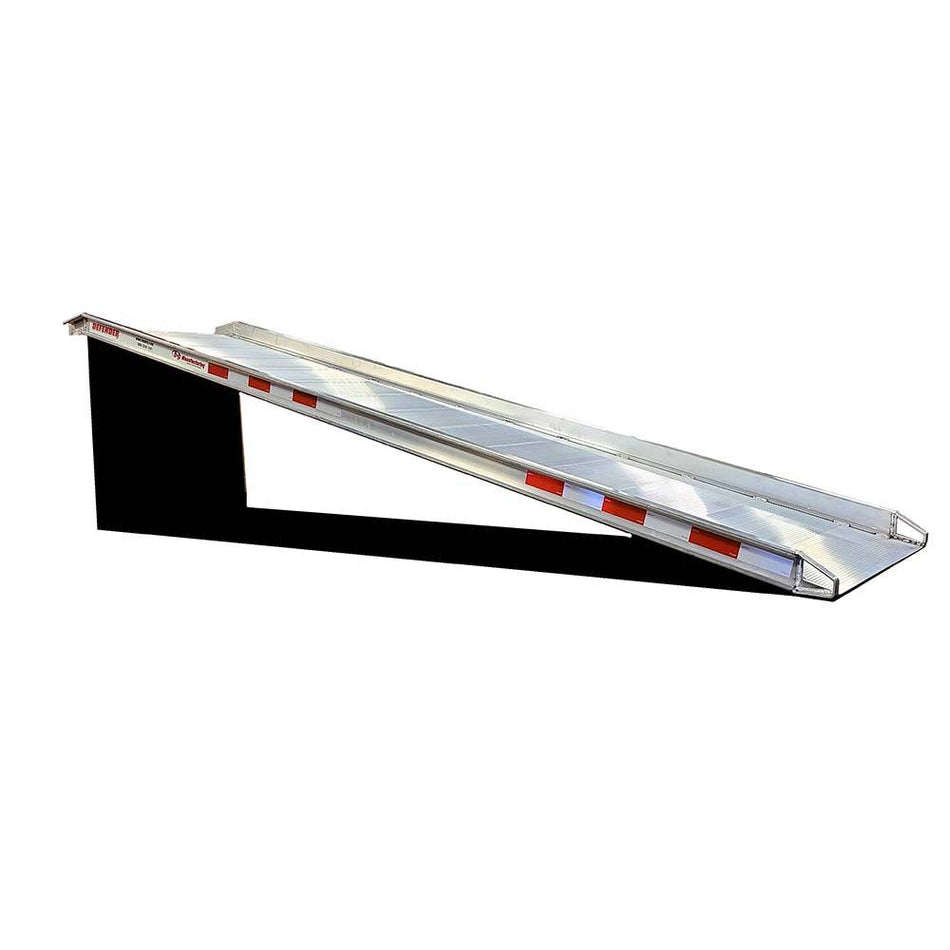
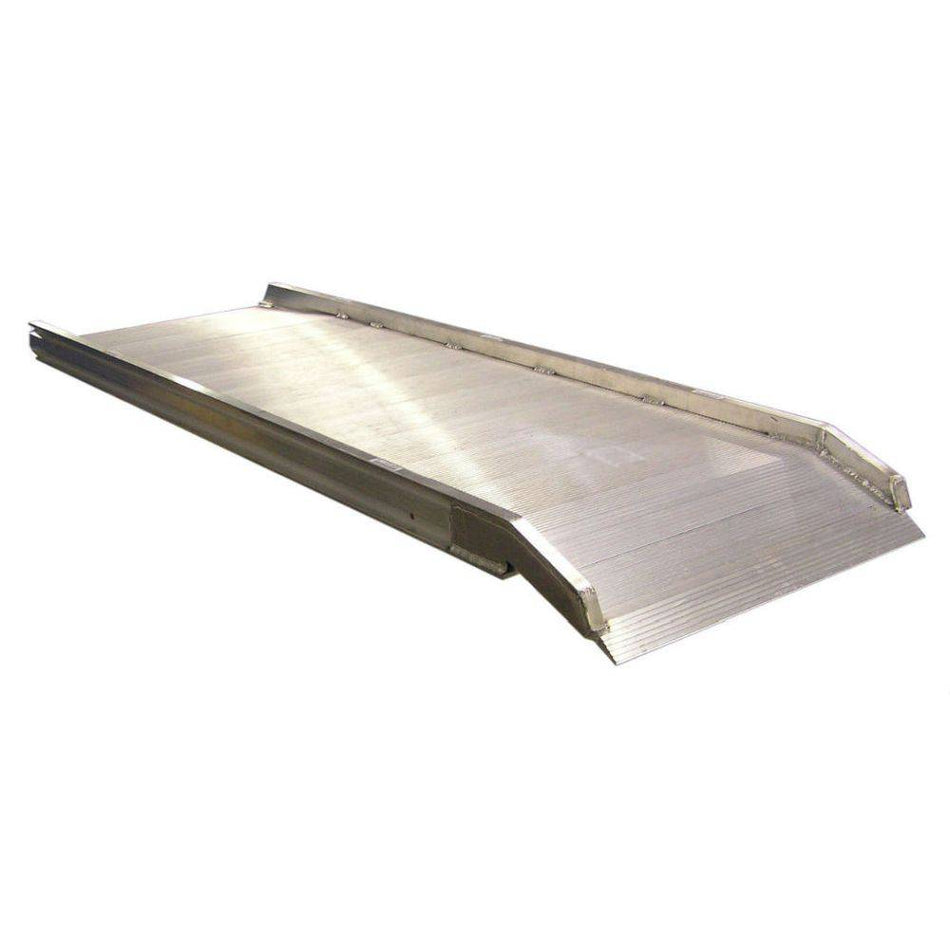
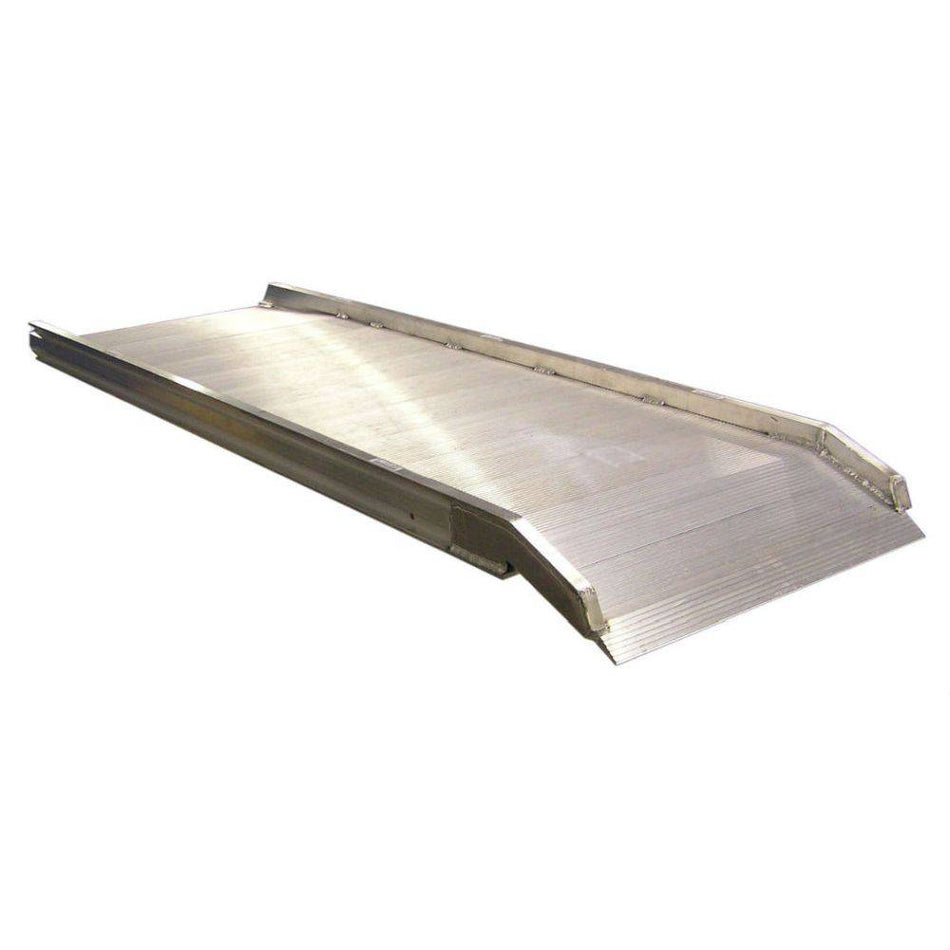
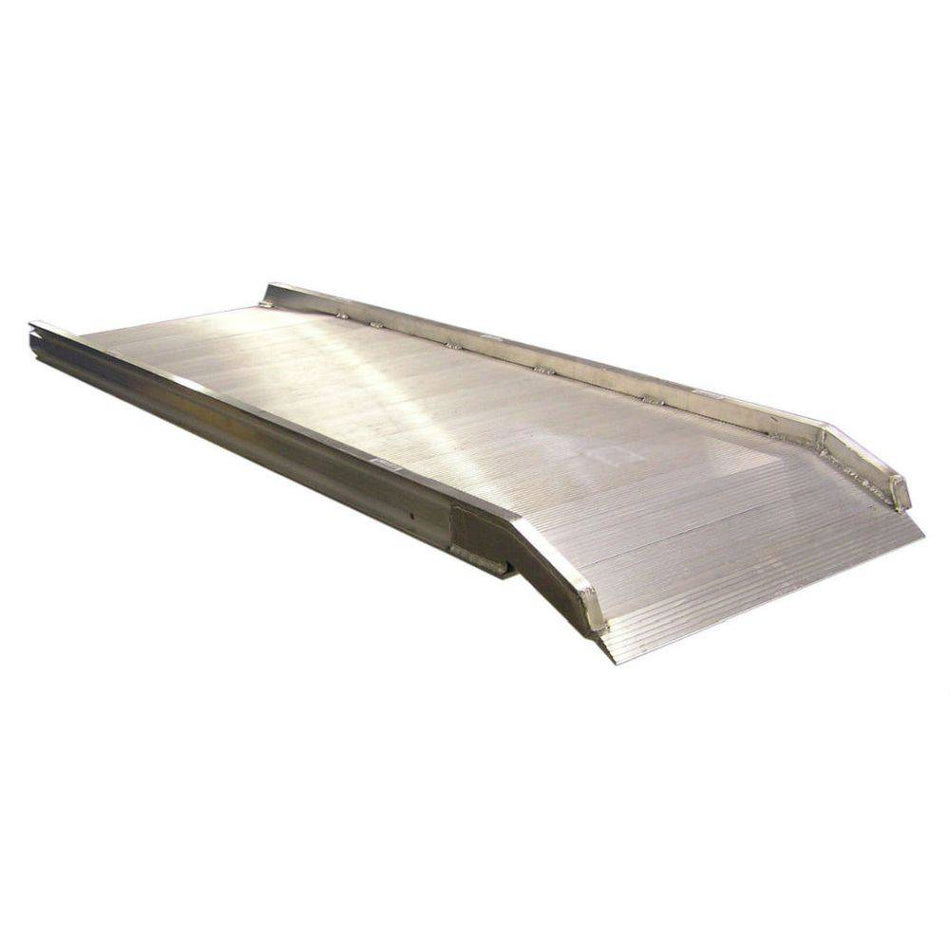
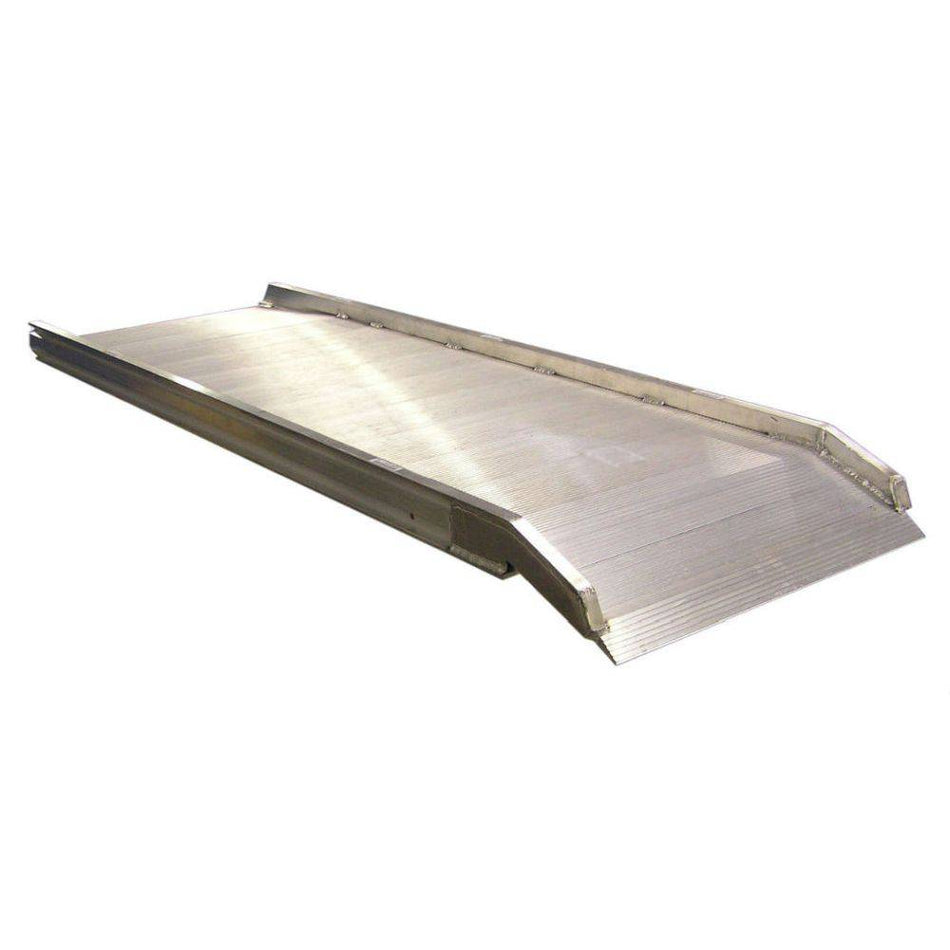
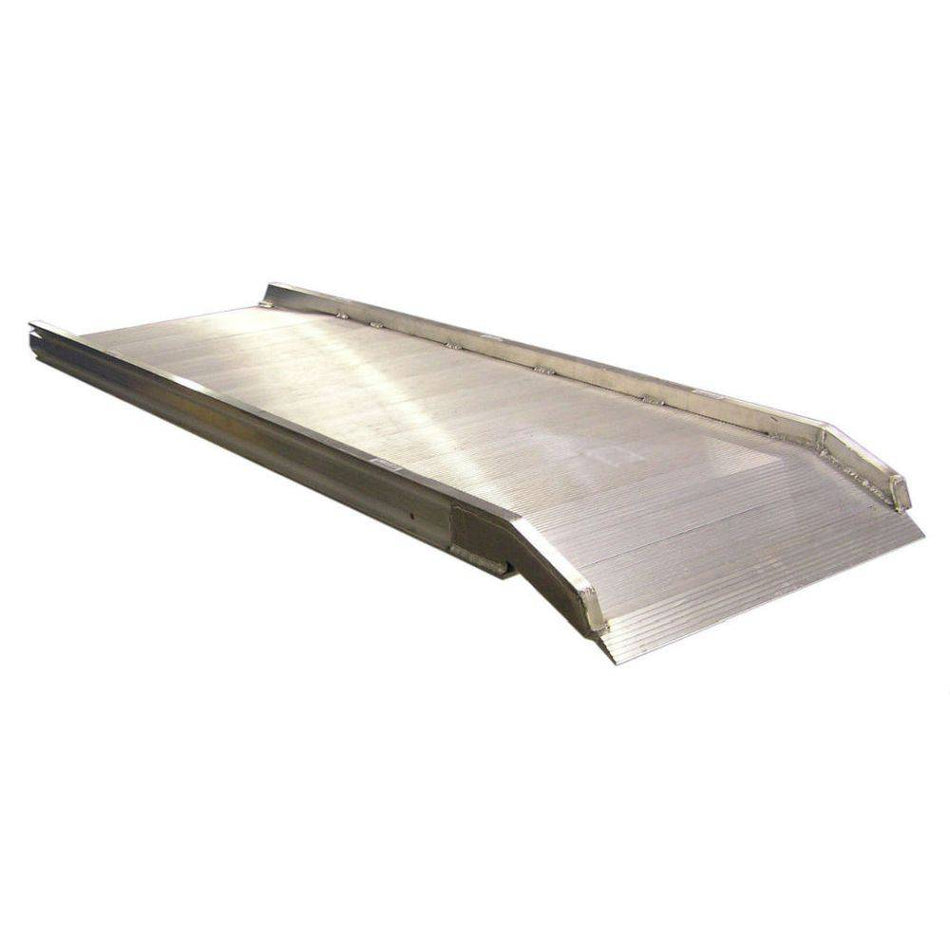
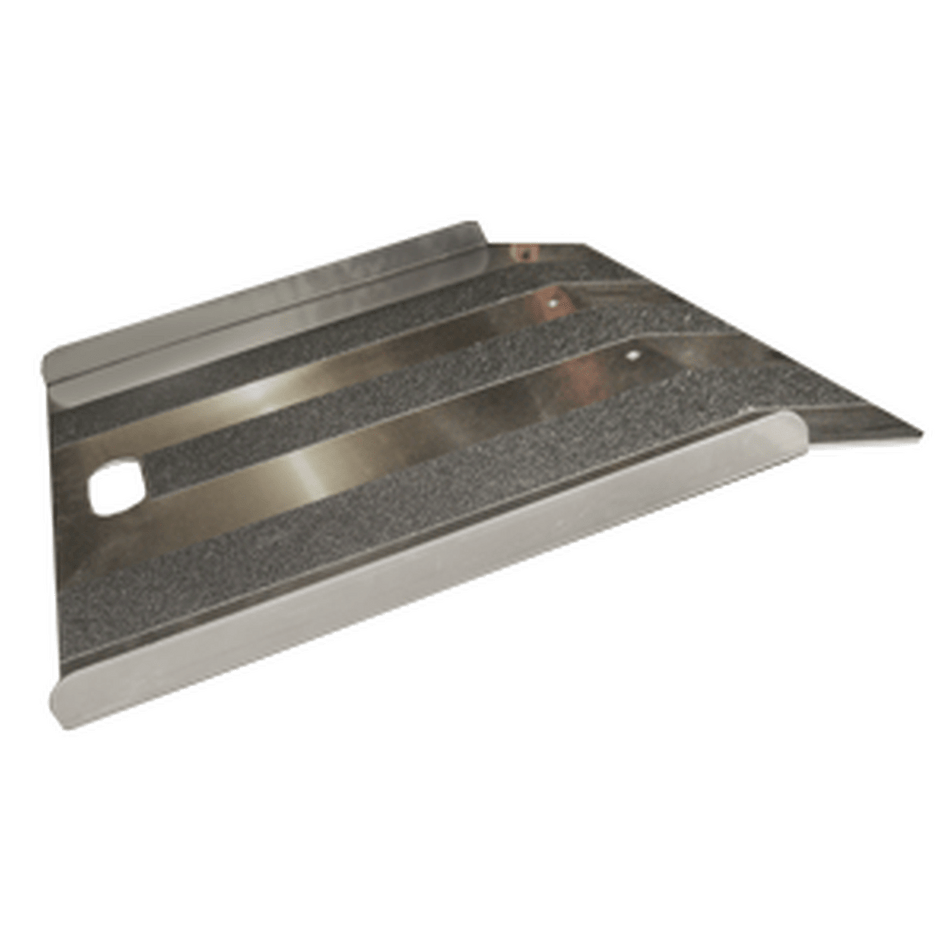
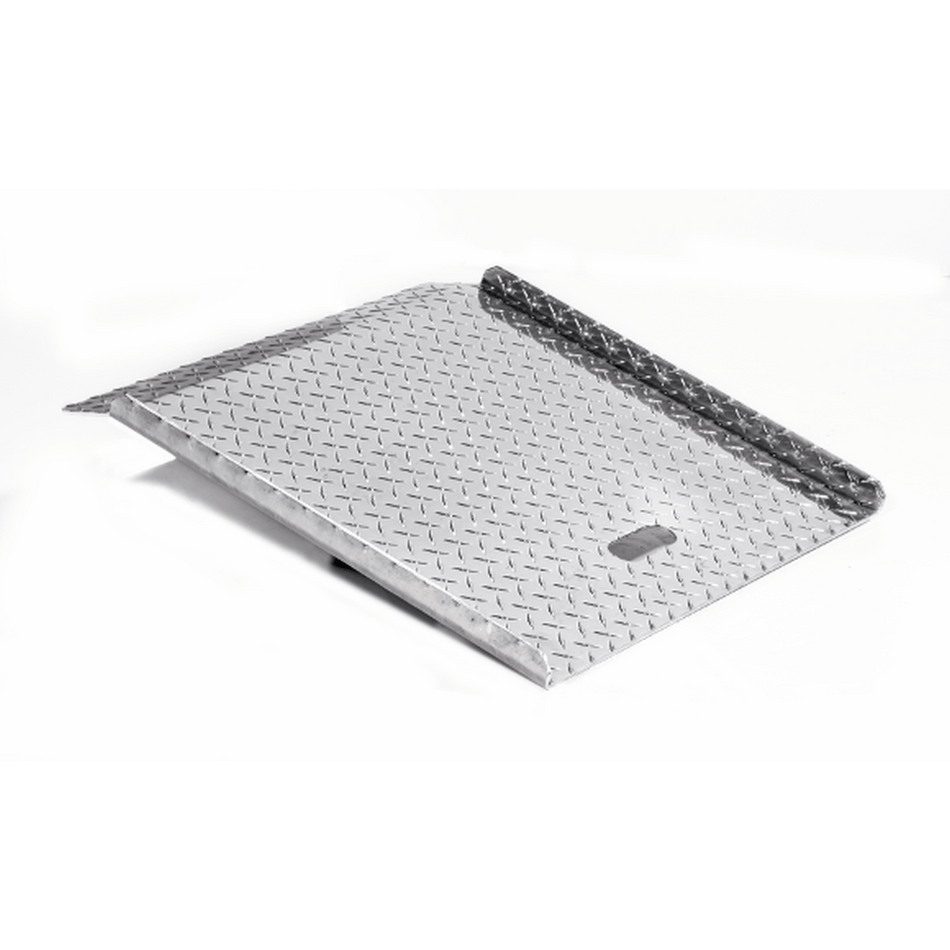
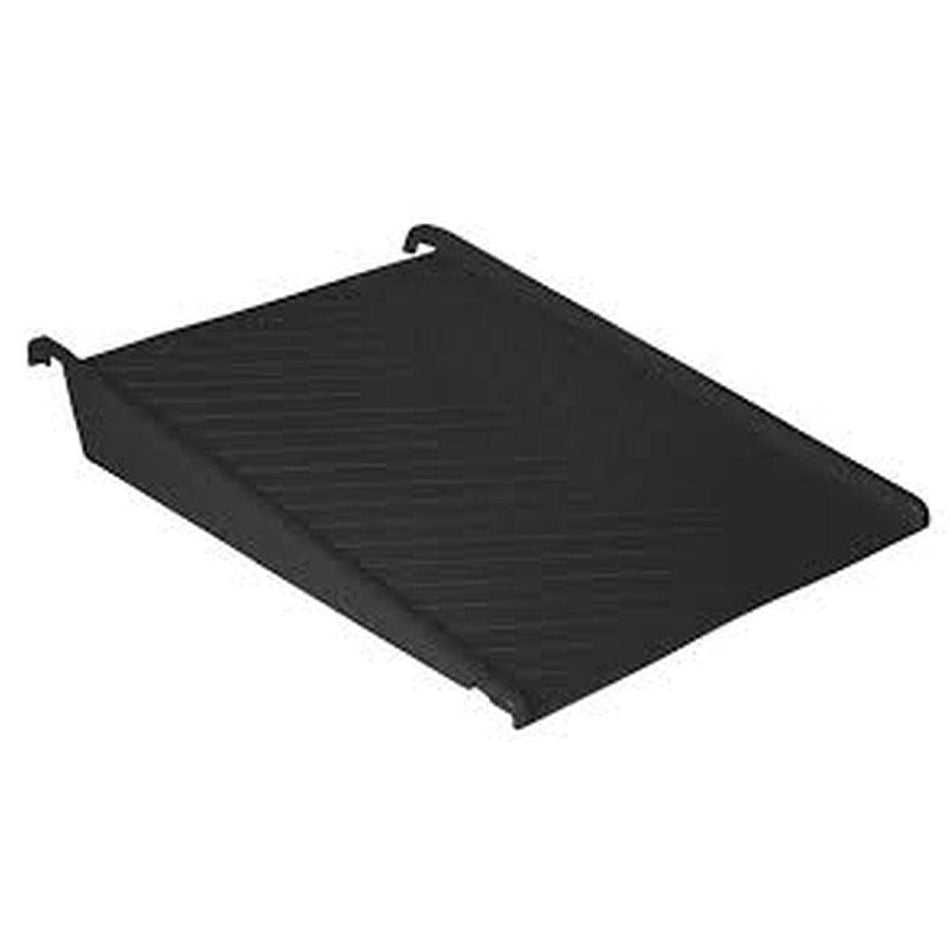
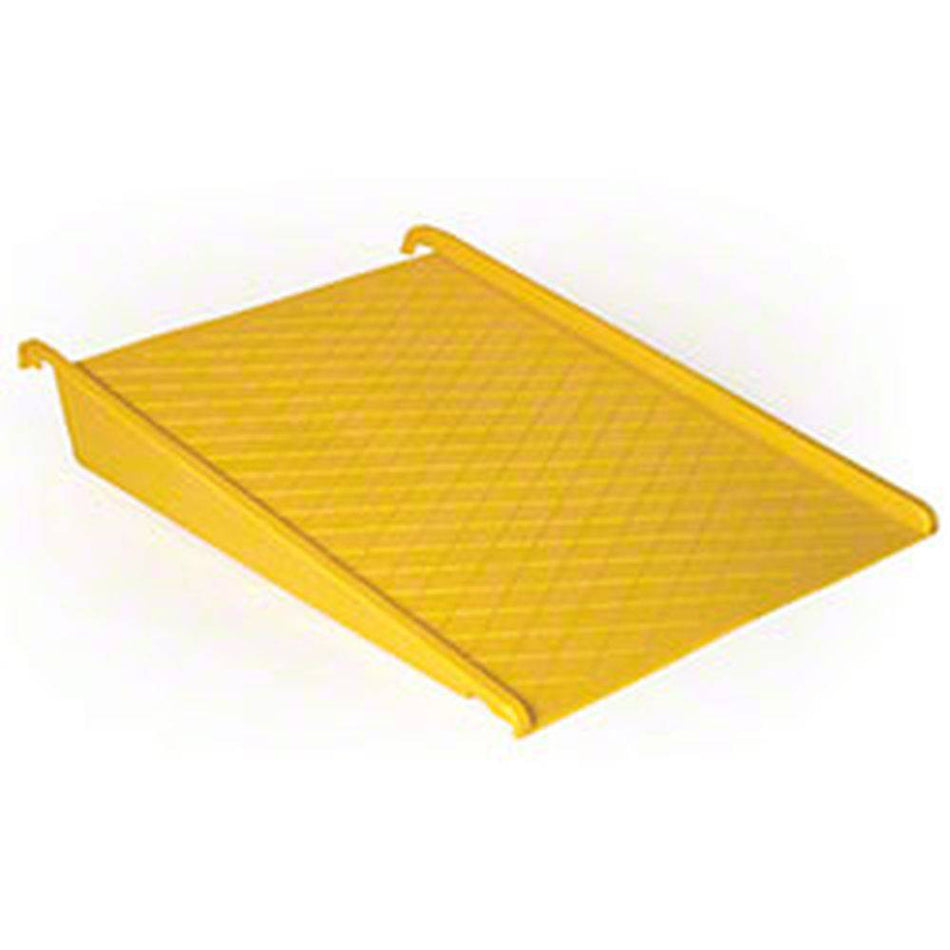
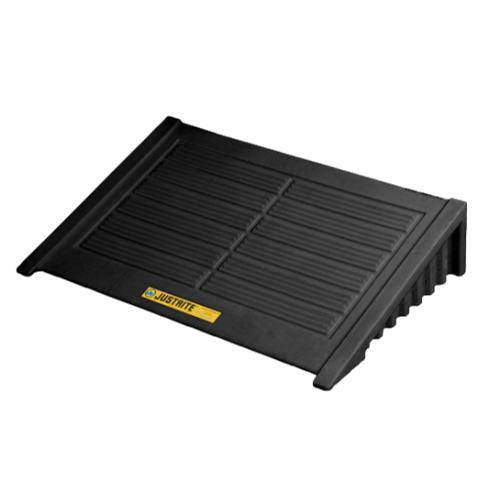
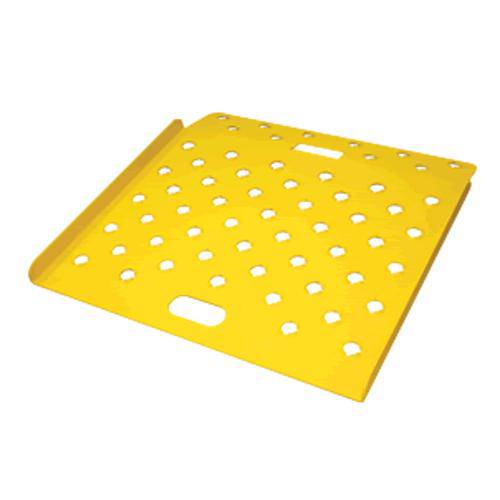
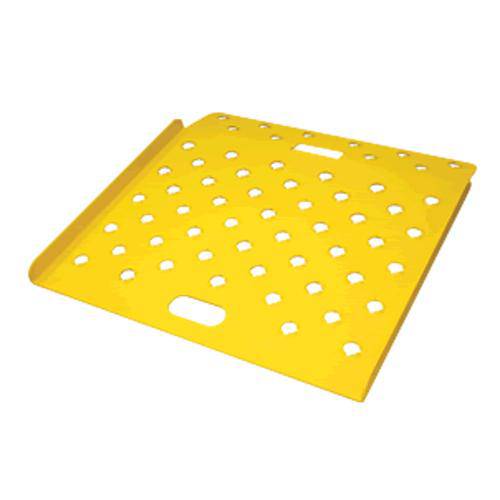
Choosing the right ramp depends on elevation height, equipment type, load capacity, traction requirements, and whether the ramp needs to be portable or fixed. Walk ramps are commonly used for carts and pedestrians, while curb ramps are best for crossing low obstacles and thresholds.
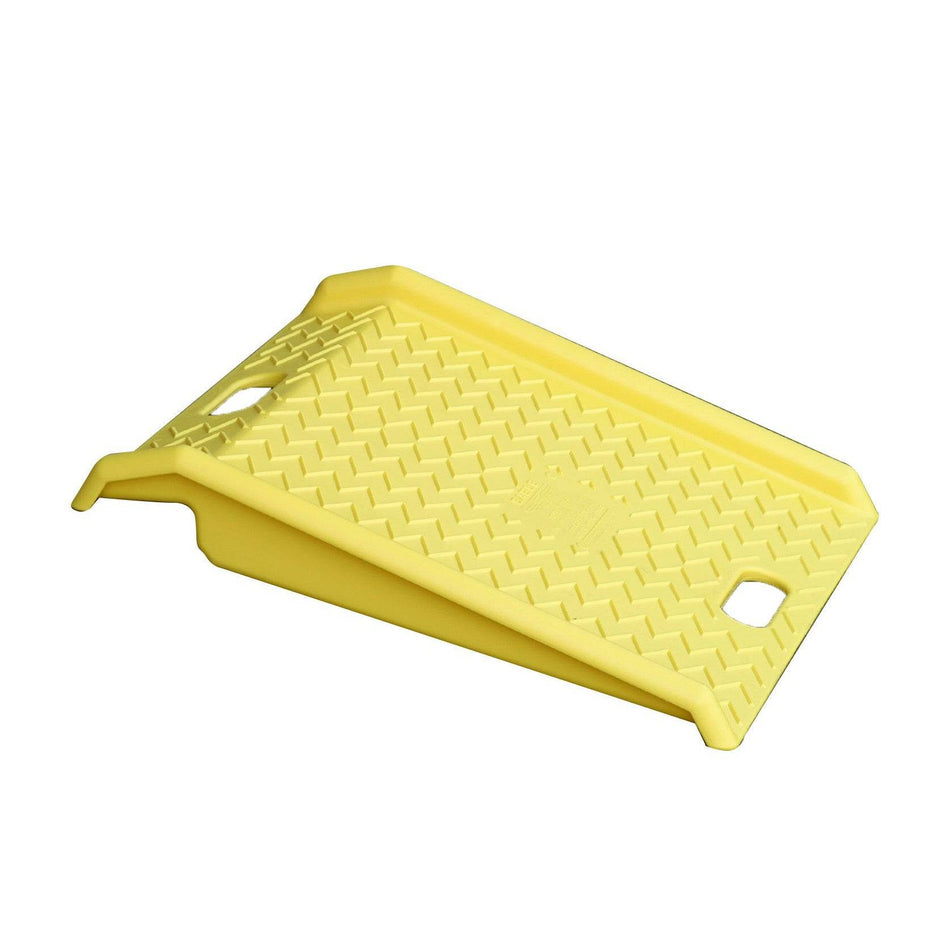
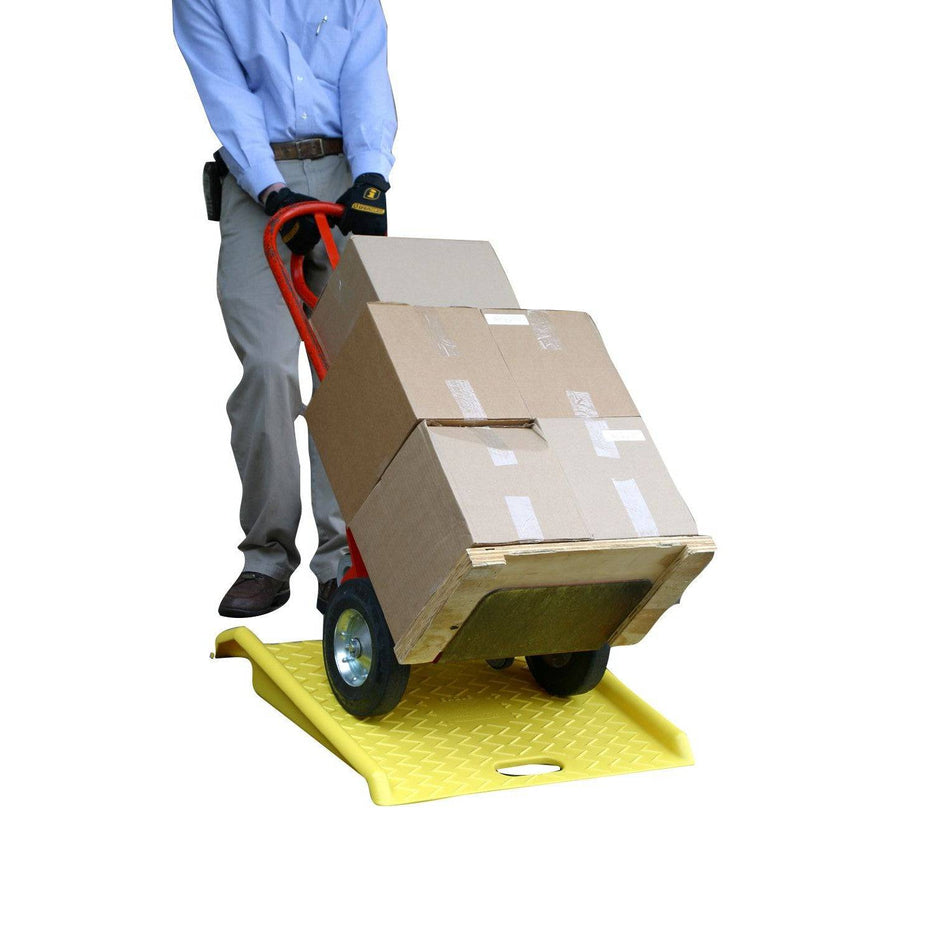
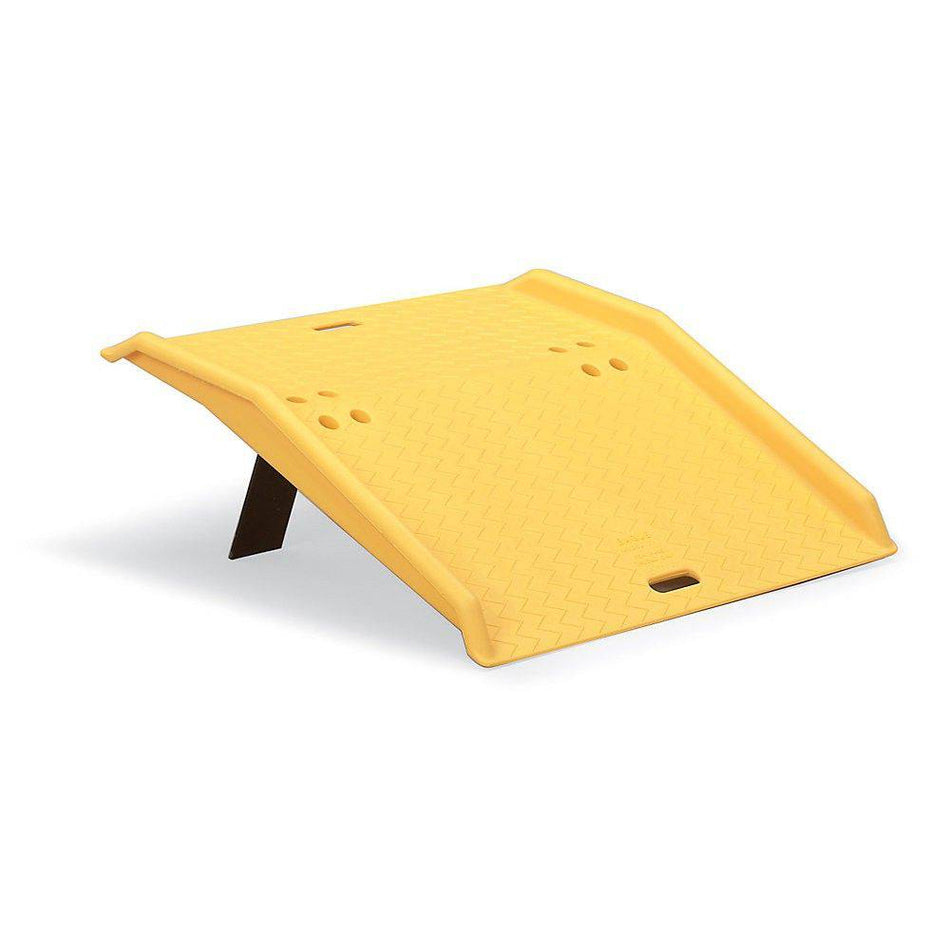
Hand Truck Ramps help delivery teams and material handlers move loads over steps, curbs, and raised surfaces. For dock-to-trailer loading, review Dock Equipment such as dock plates, dock boards, and levelers to match the equipment and load capacity required.
Common Ramp Applications
Ramps are commonly used in warehouses, loading docks, delivery areas, retail stockrooms, schools, commercial buildings, maintenance departments, and industrial facilities. They help improve access, reduce lifting, and support safer movement between elevations.
Frequently Asked Questions
What are ramps used for?
Ramps are used to move people, carts, dollies, hand trucks, pallet jacks, and equipment between different elevations.
How do I choose the right ramp capacity?
Choose a ramp rated above the combined weight of the load, user, and equipment.
What is the difference between walk ramps and curb ramps?
Walk Ramps are used for elevated access, while Curb Ramps are designed to cross curbs, thresholds, and smaller obstacles.
What ramp length do I need?
Ramp length depends on the height being reached, load type, equipment, and safe incline requirements.
Where are ramps commonly used?
Ramps are commonly used in warehouses, loading areas, retail stores, schools, commercial facilities, and delivery operations.
[{"text":"Bridging the Gap: Benefits and Quality of Bluff Yard Ramps","url":"https://www.source4industries.com/blogs/articles/bridging-the-gap-benefits-and-quality-of-bluff-yard-ramps"},{"text":"Unlocking Accessibility: The Comprehensive Guide to Curb Ramps for Businesses","url":"https://www.source4industries.com/blogs/articles/unlocking-accessibility-the-comprehensive-guide-to-curb-ramps-for-businesses"},{"text":"B&P Manufacturing's Ramp Solutions for Warehouses and Distribution Centers","url":"https://www.source4industries.com/blogs/articles/b-p-manufacturings-ramp-solutions-for-warehouses-and-distribution-centers"}]