


34 Products
Self Dumping Hoppers
Quick Answer: What Are Self Dumping Hoppers Used For?
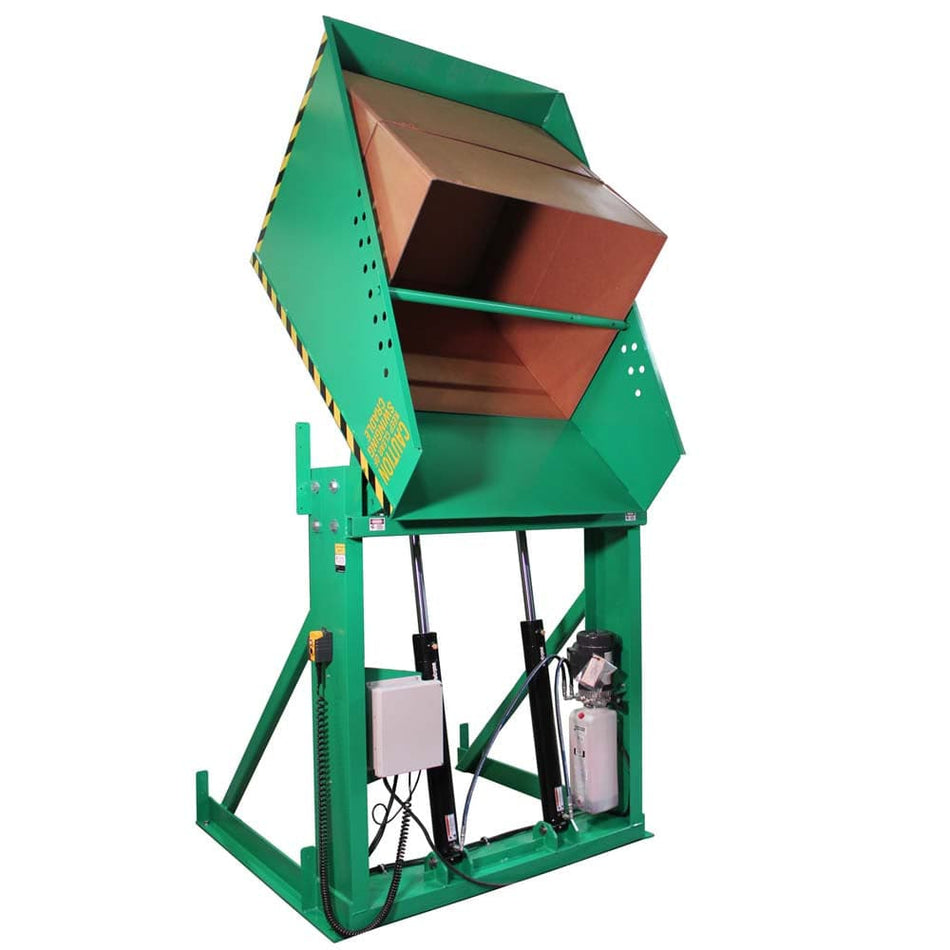
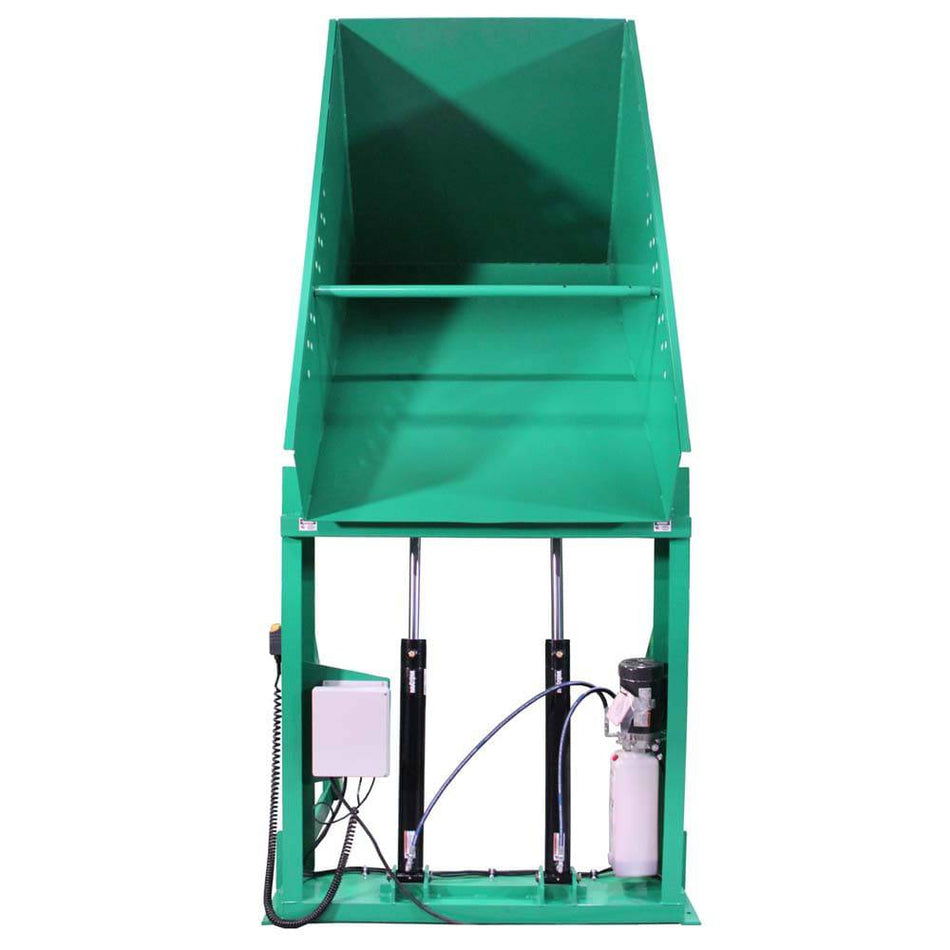
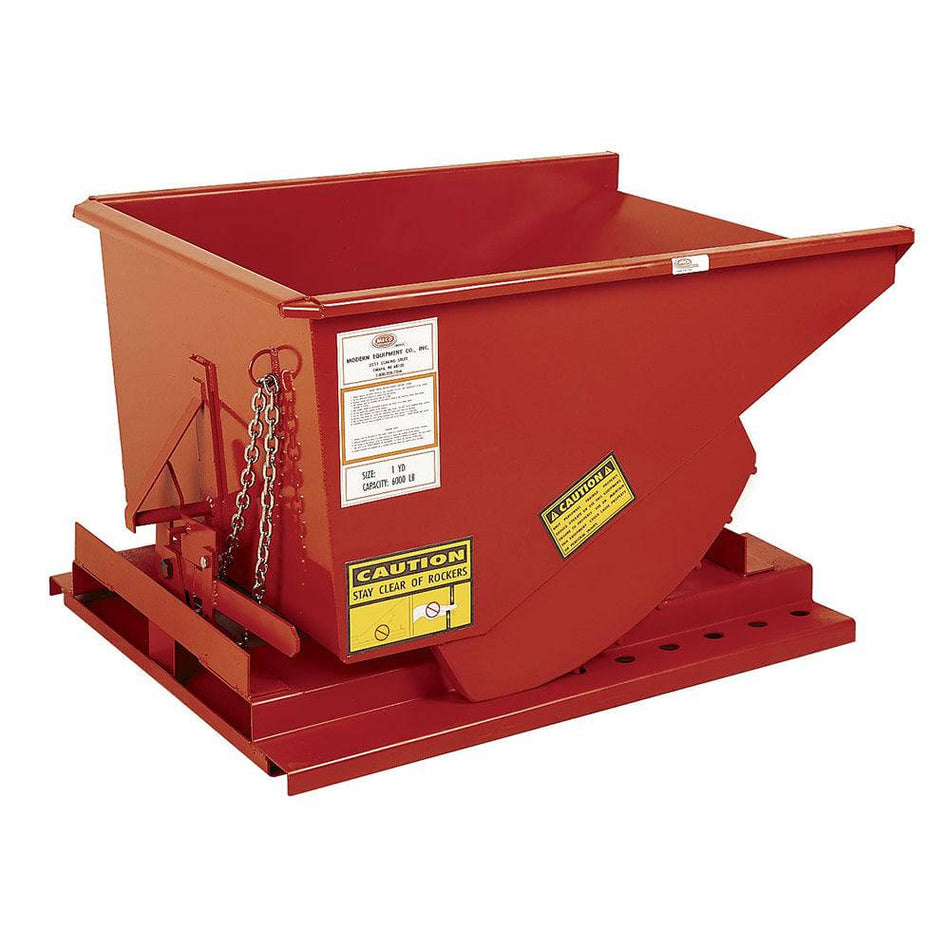
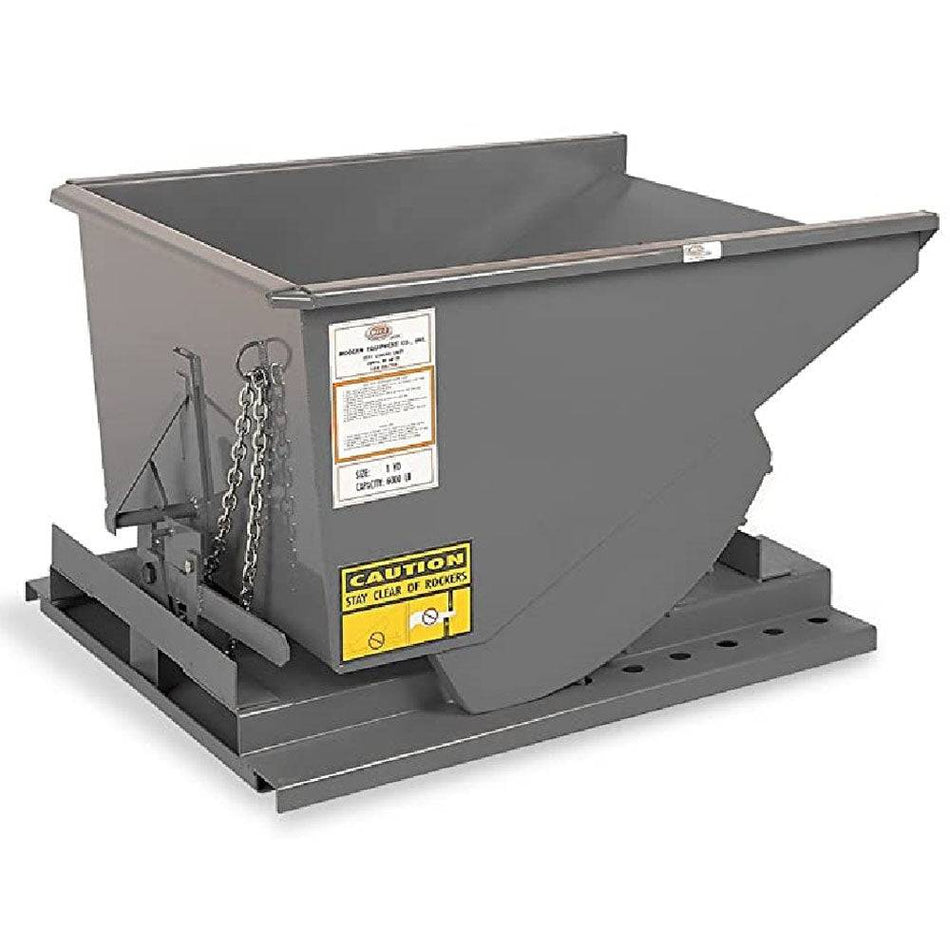
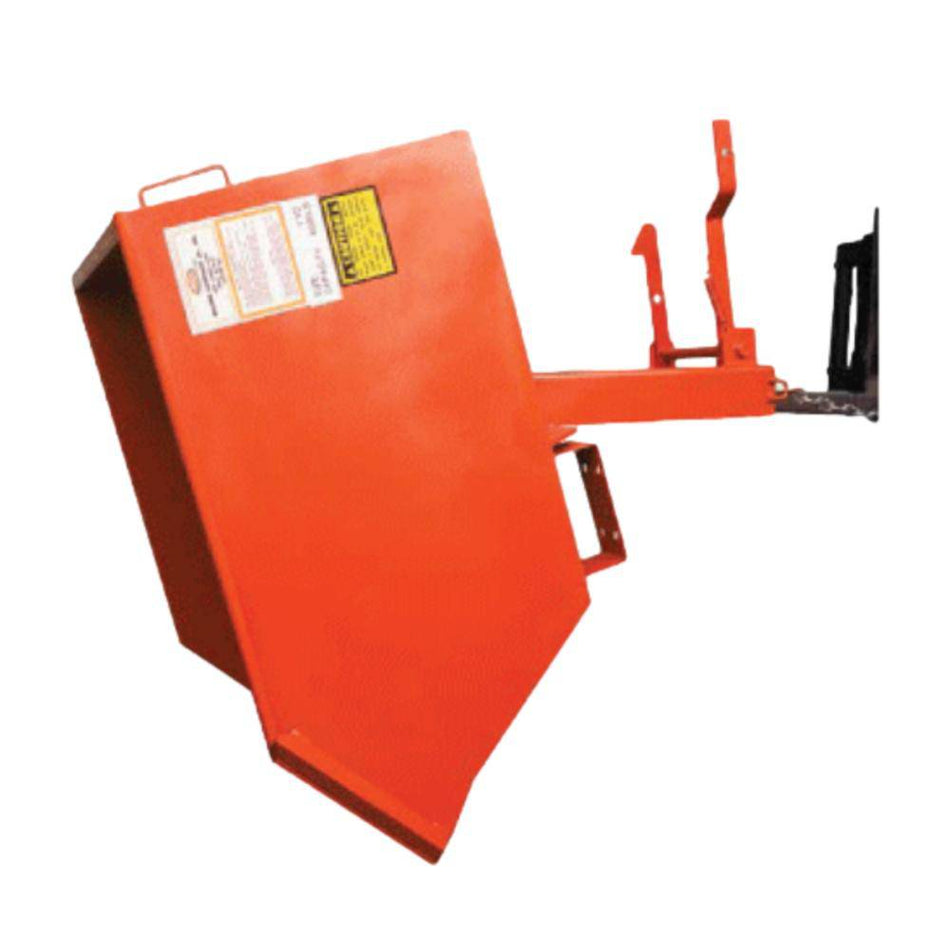
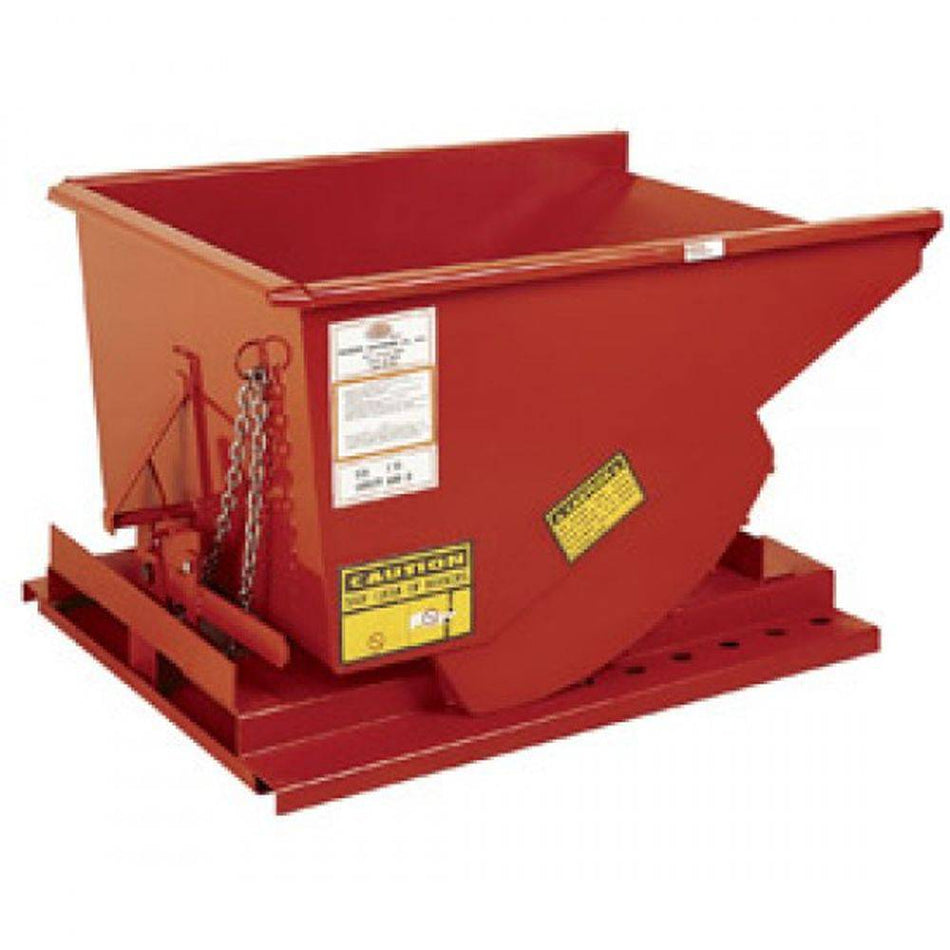
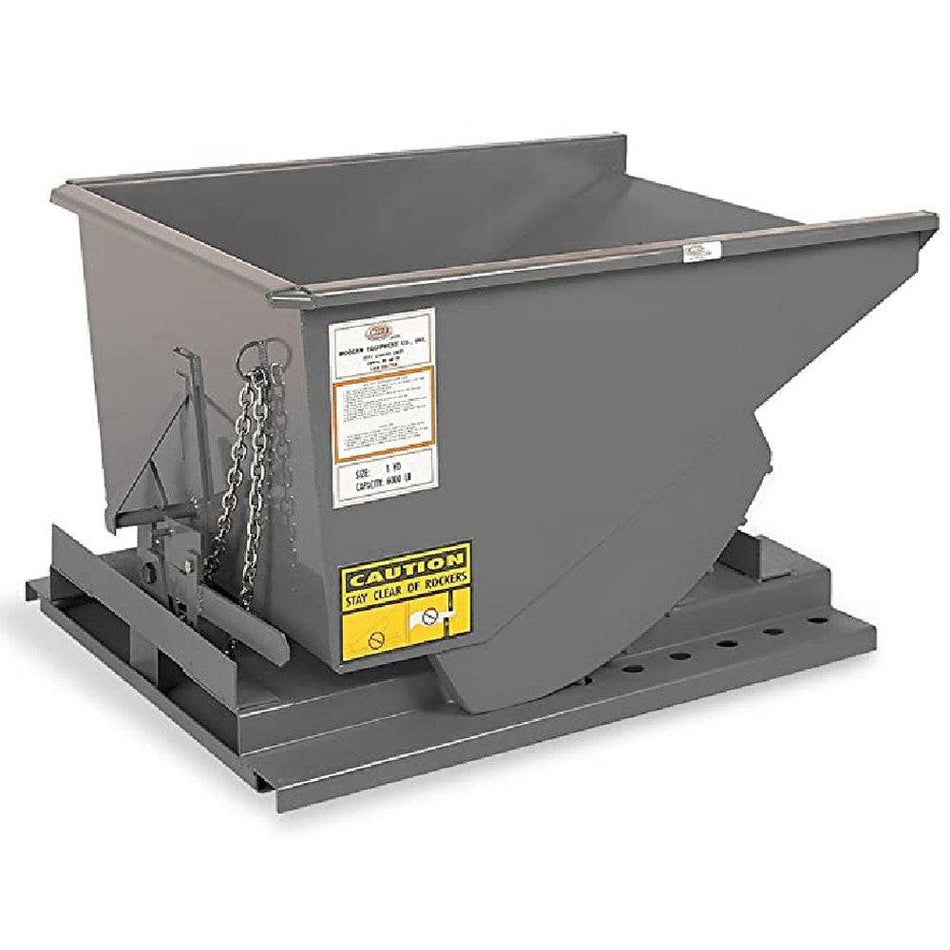
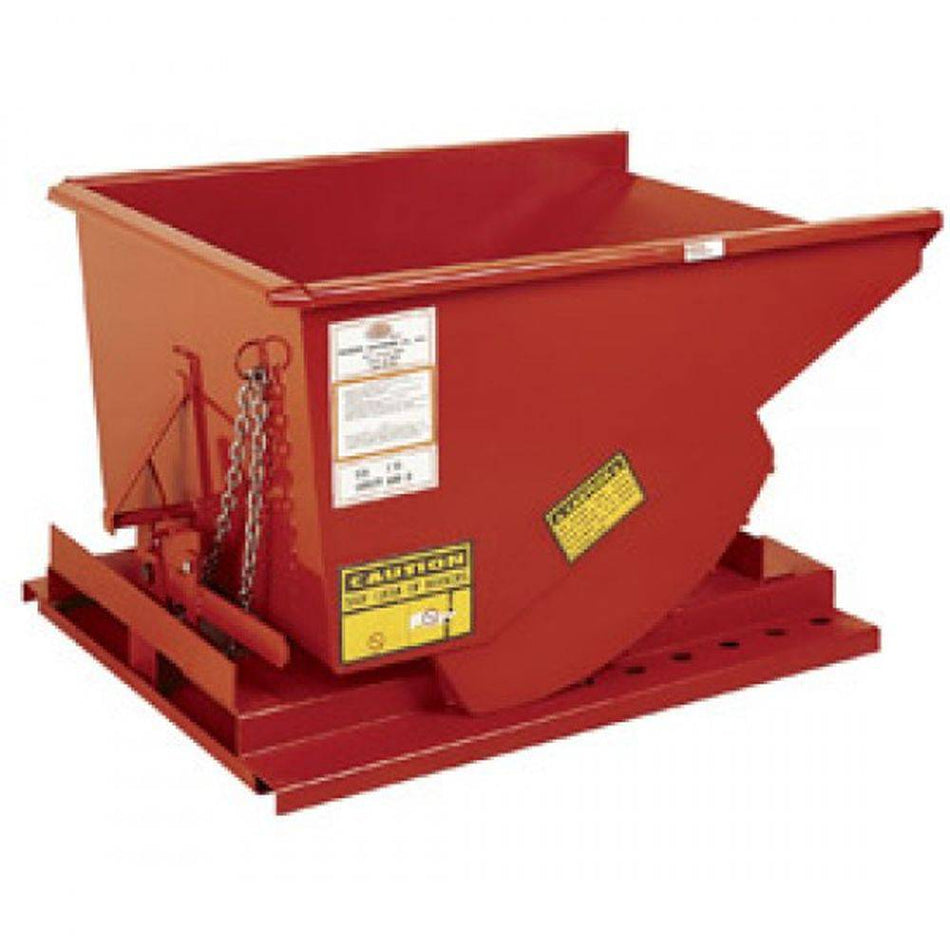
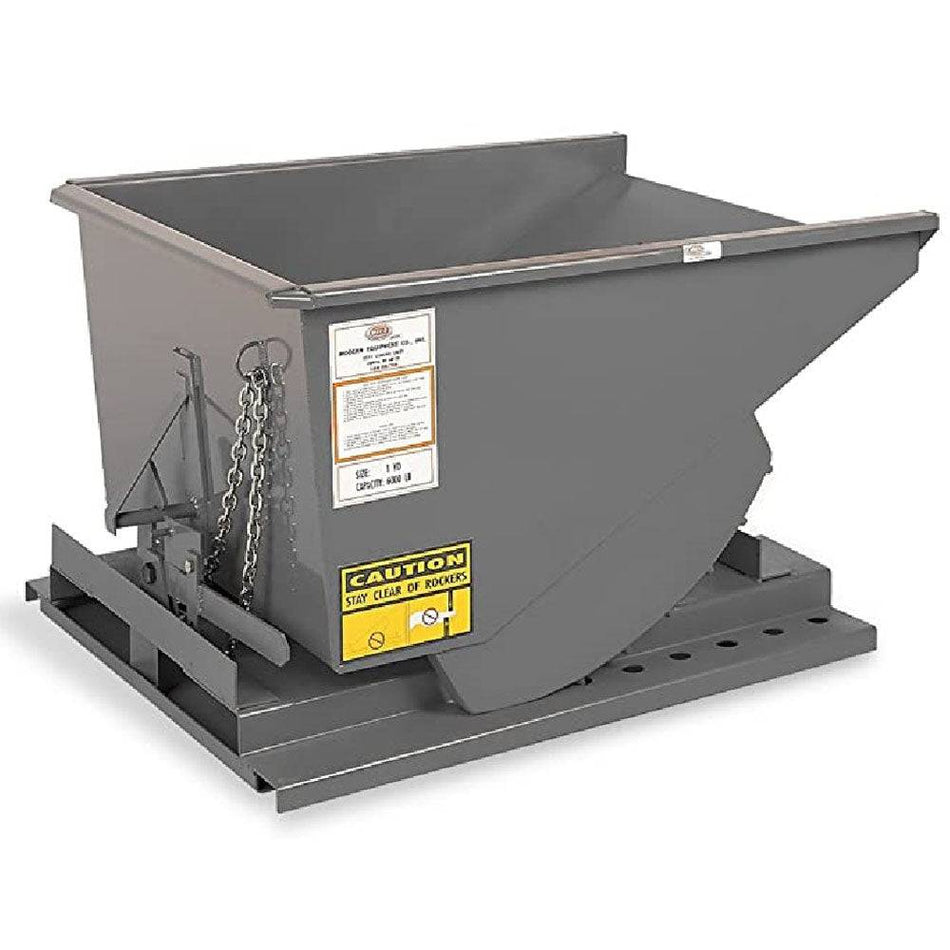
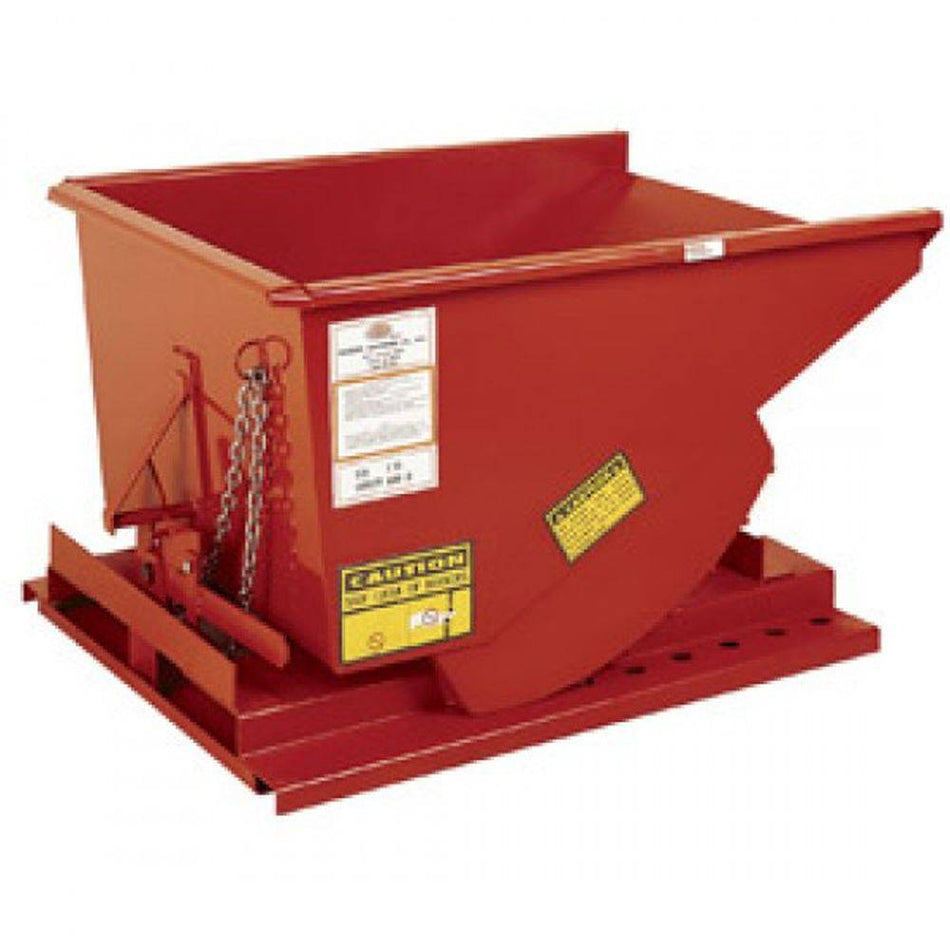
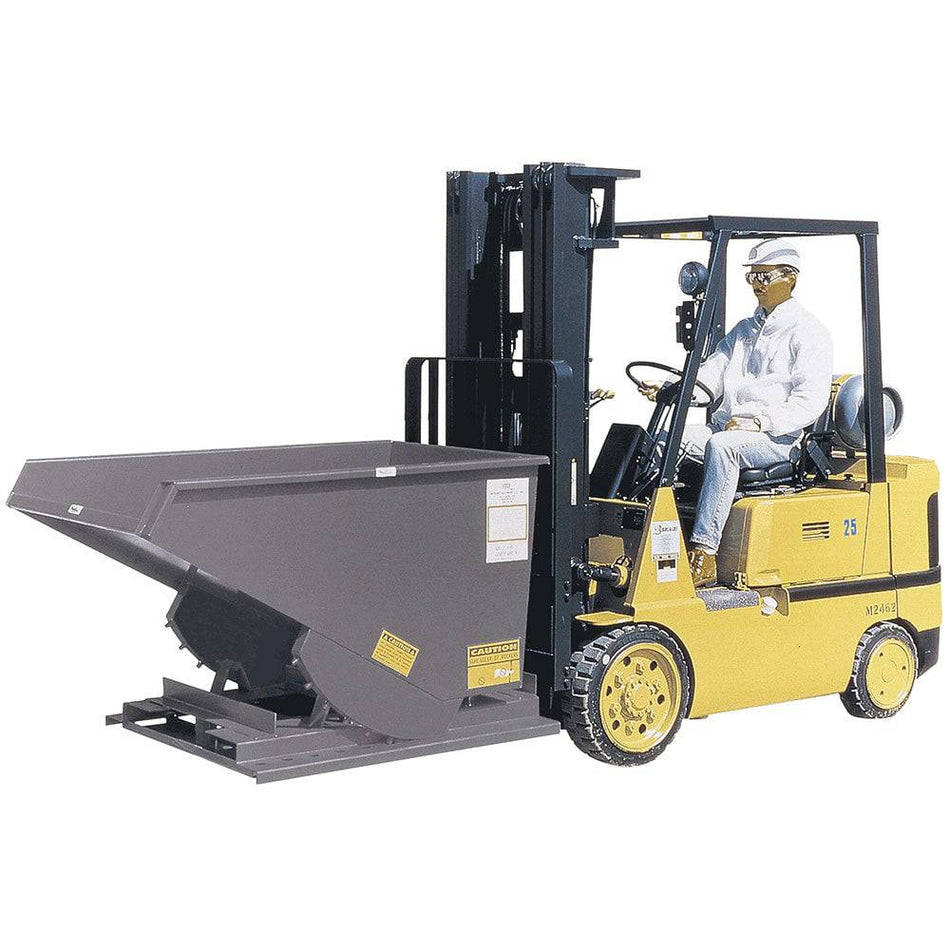
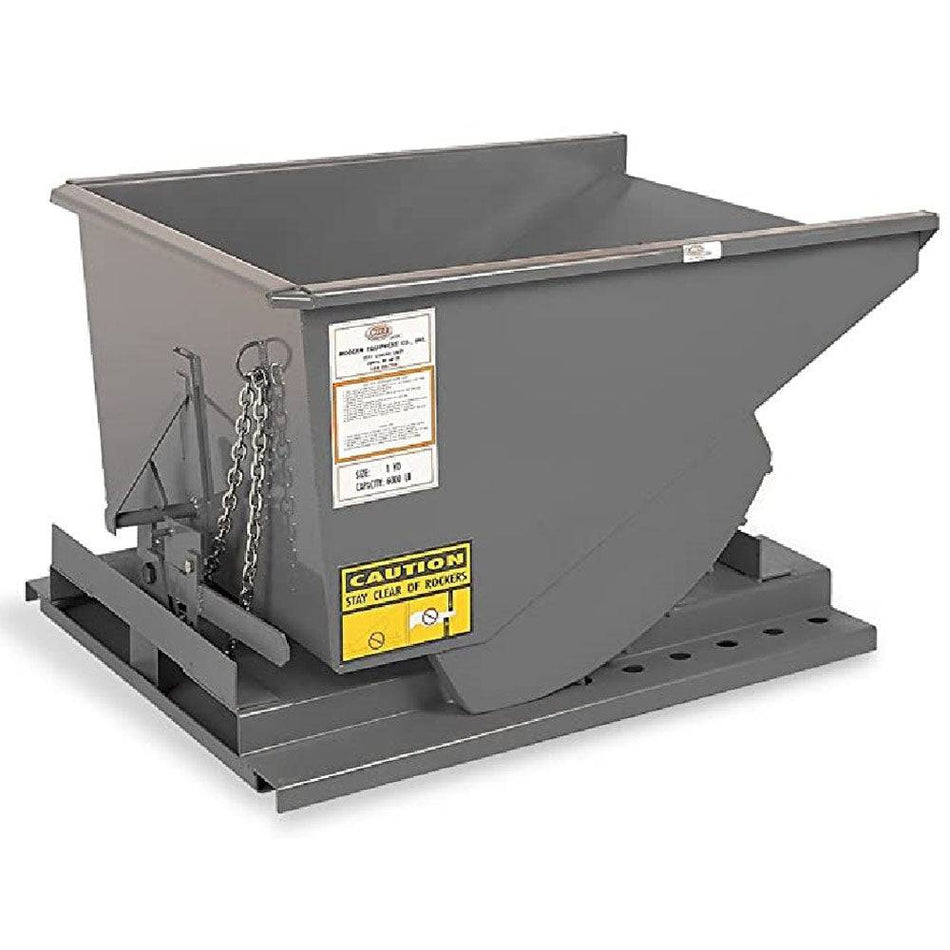
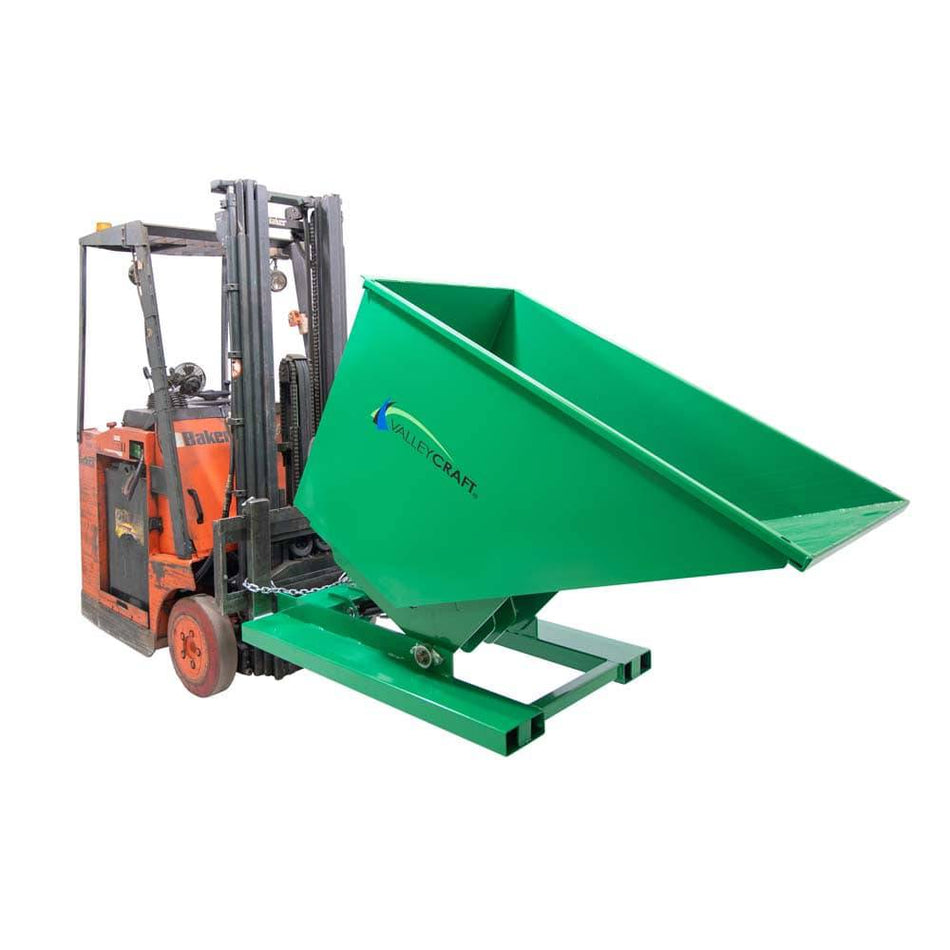
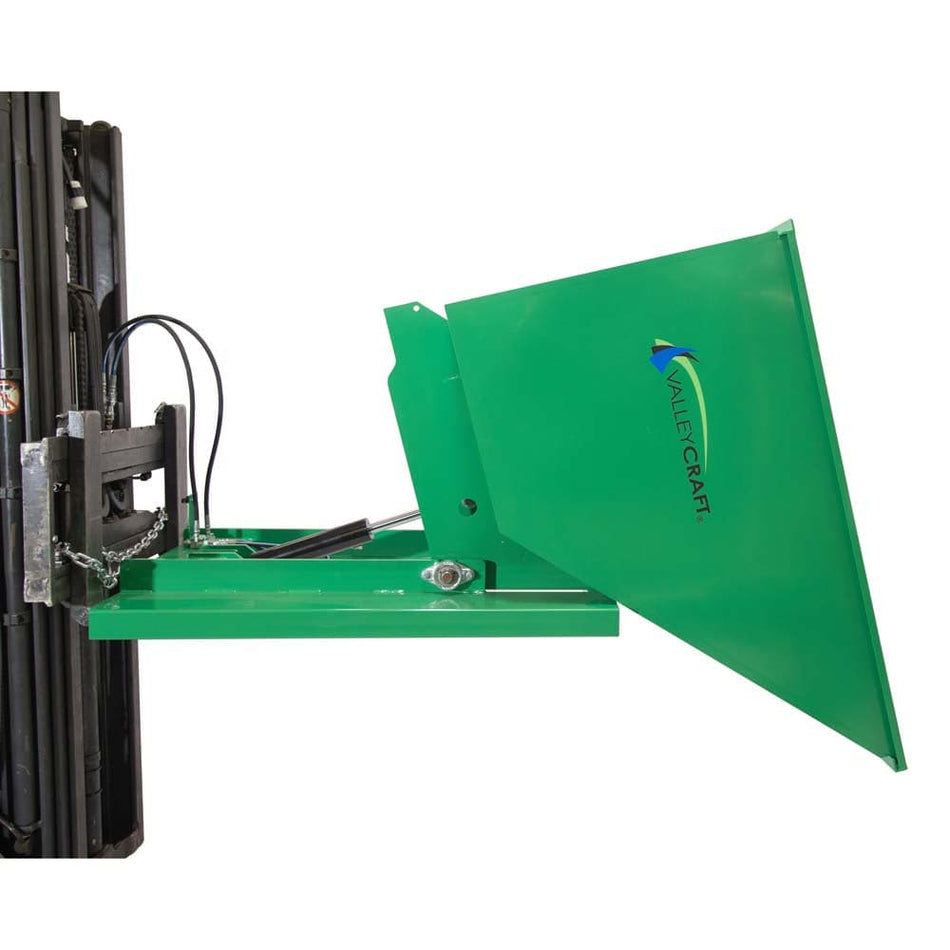
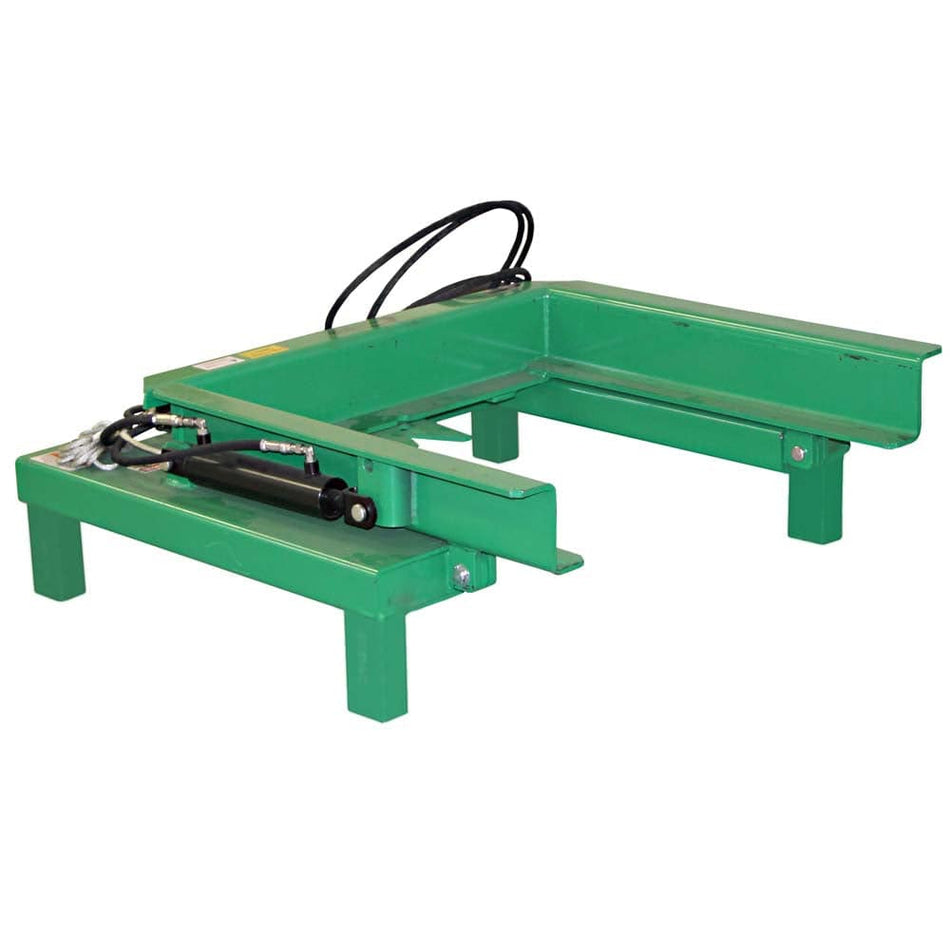
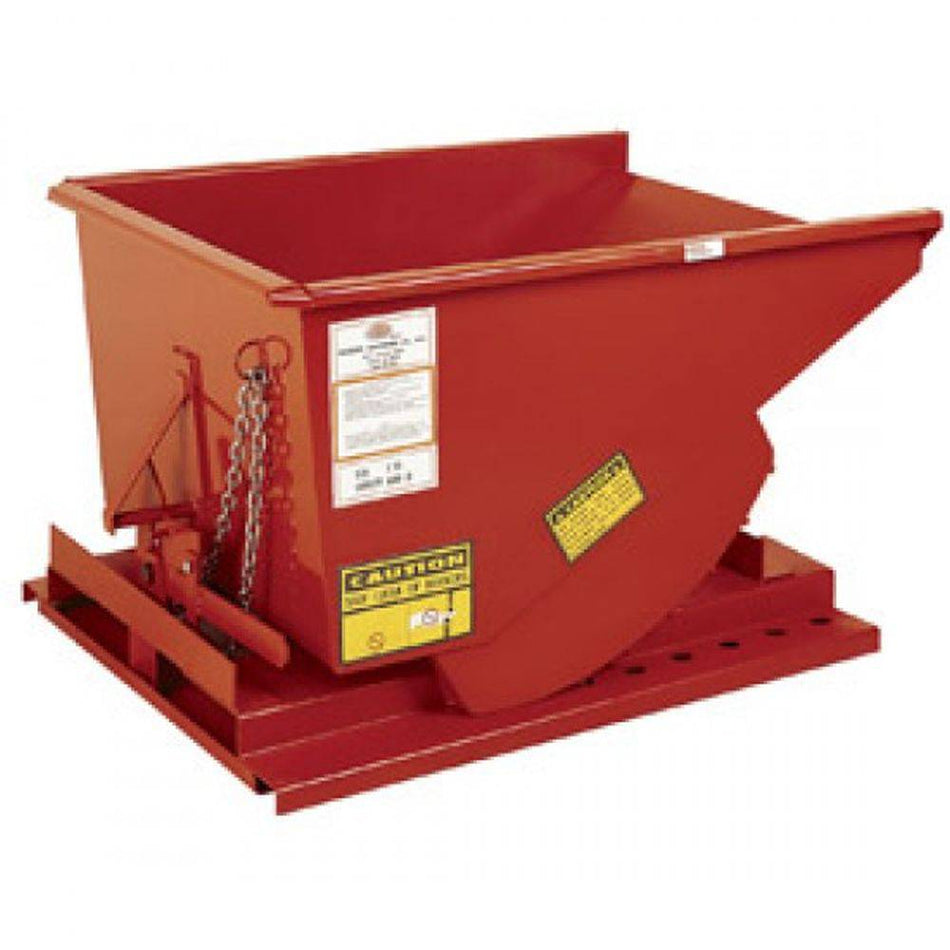
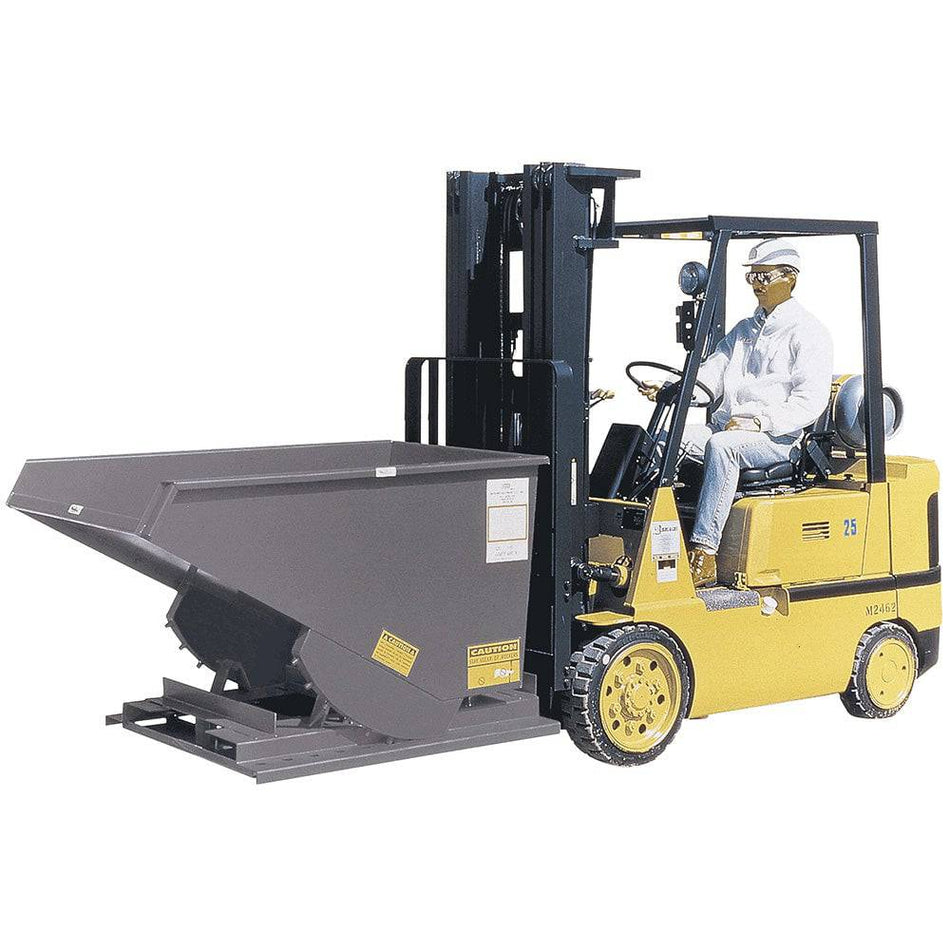
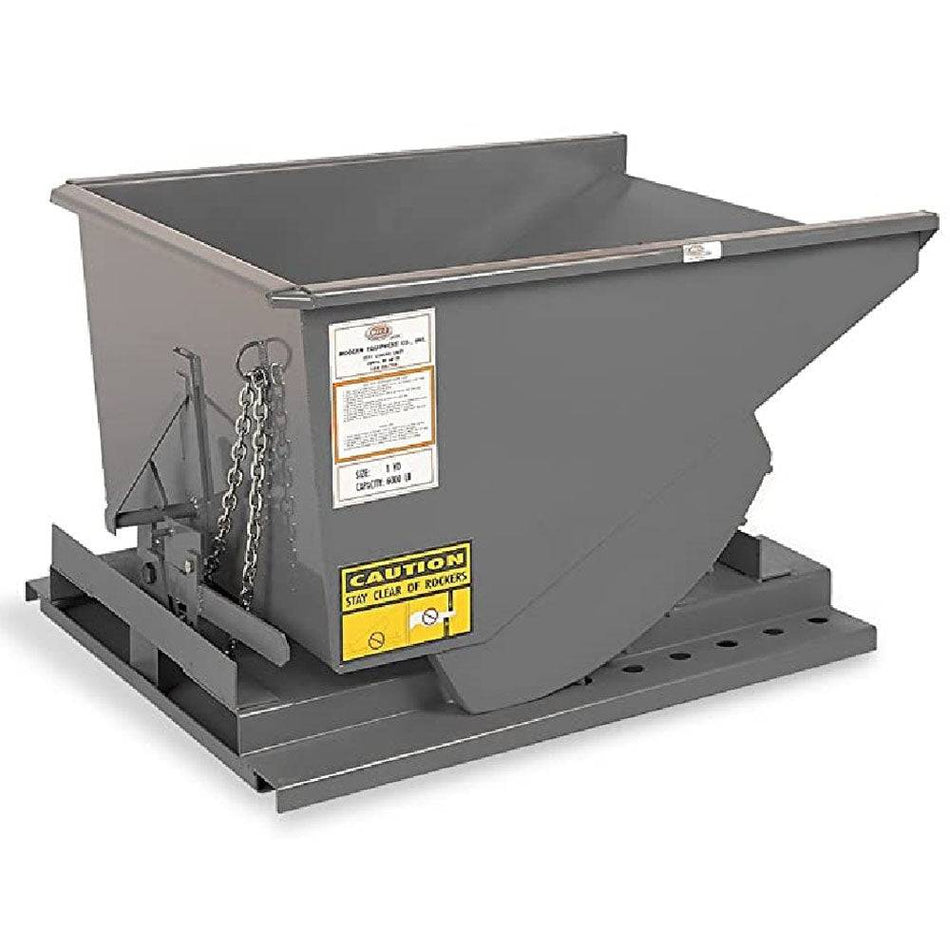
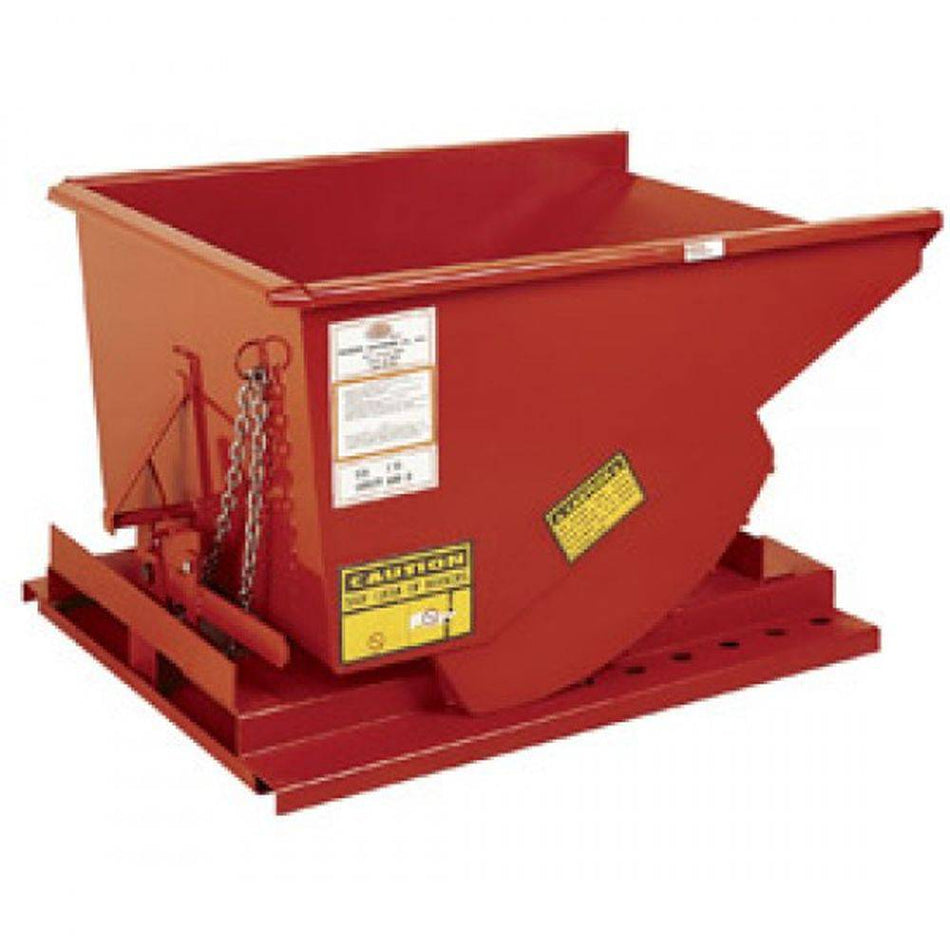
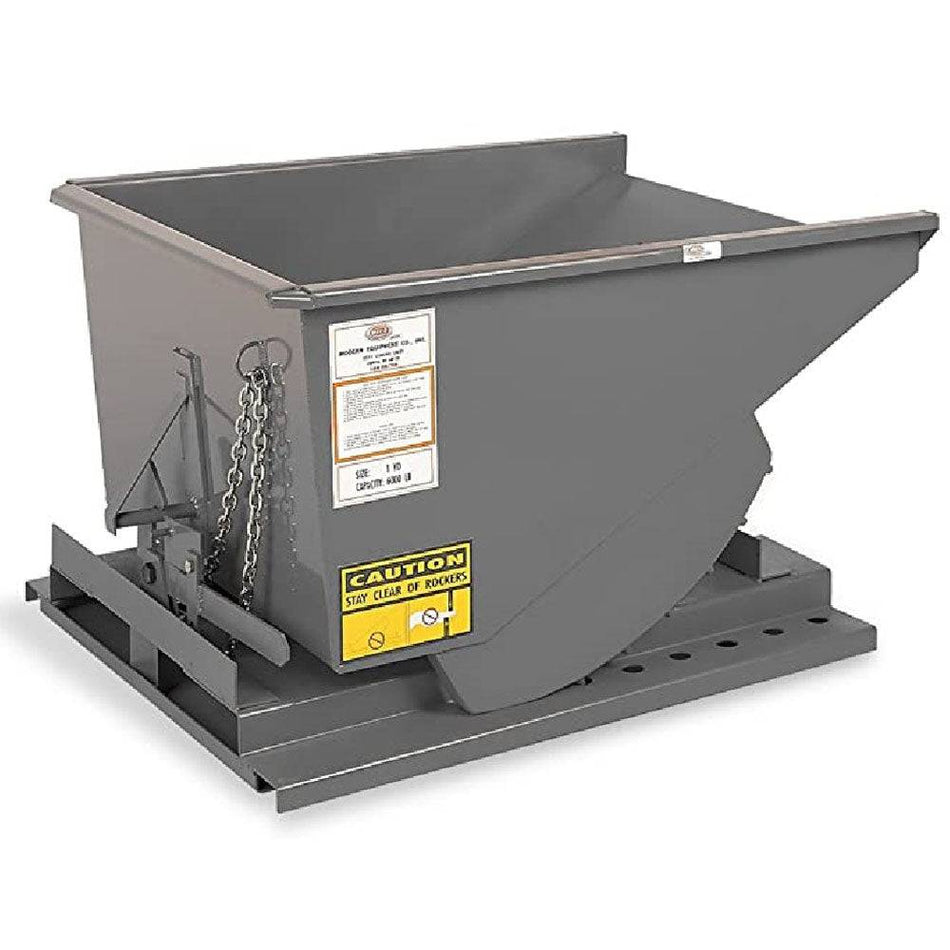
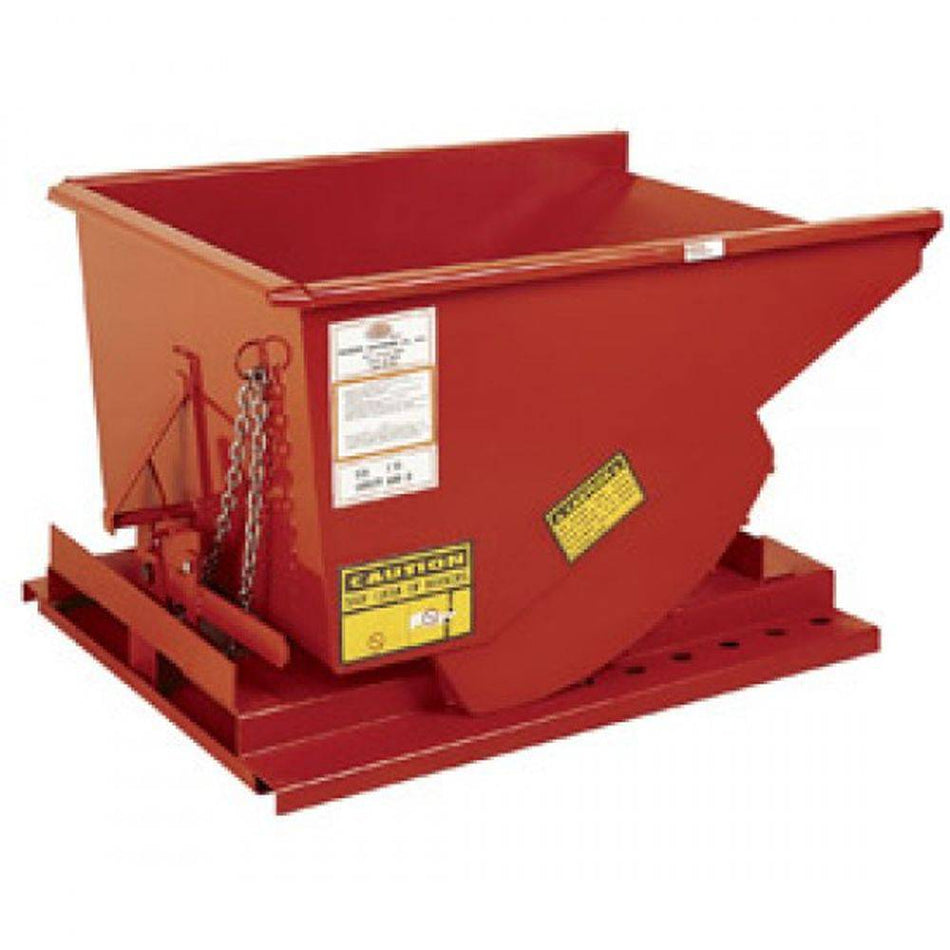
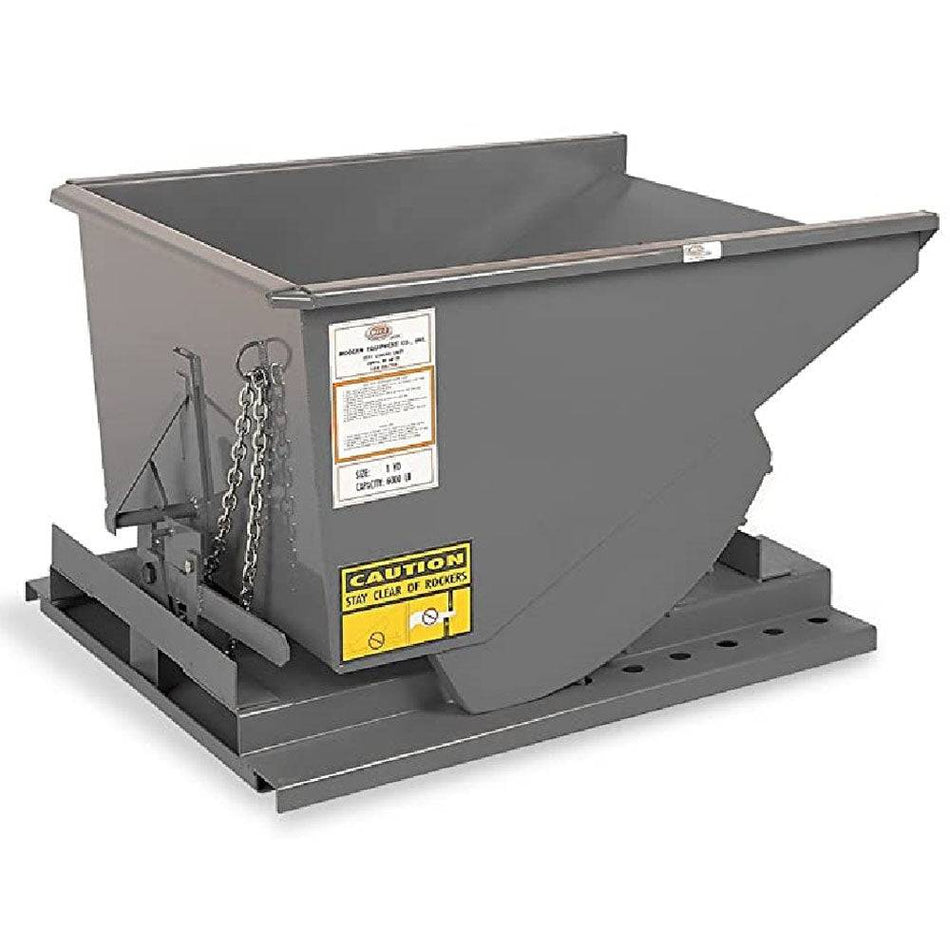
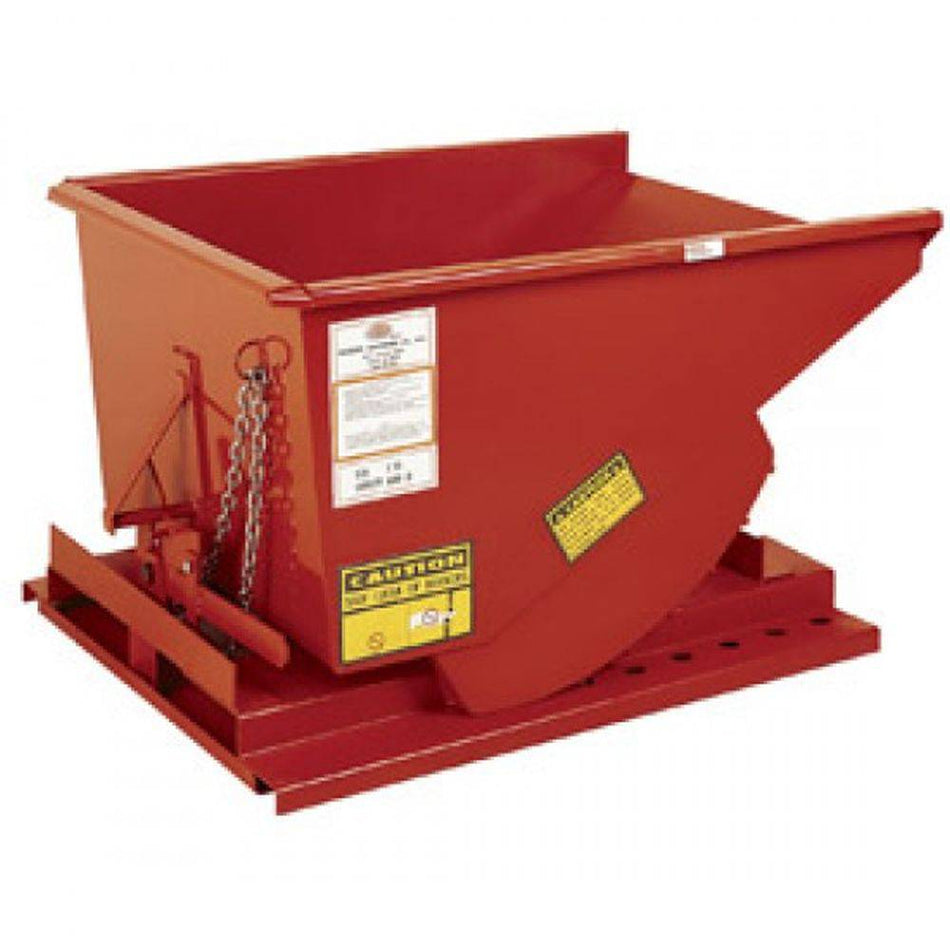
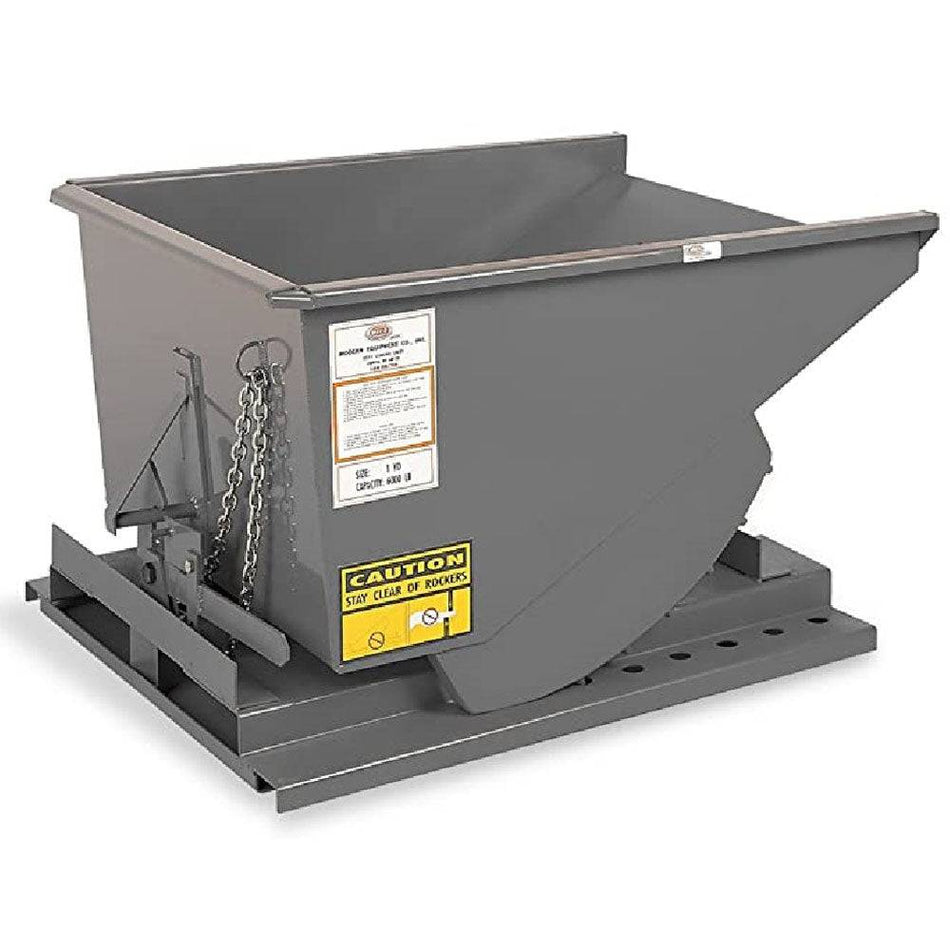
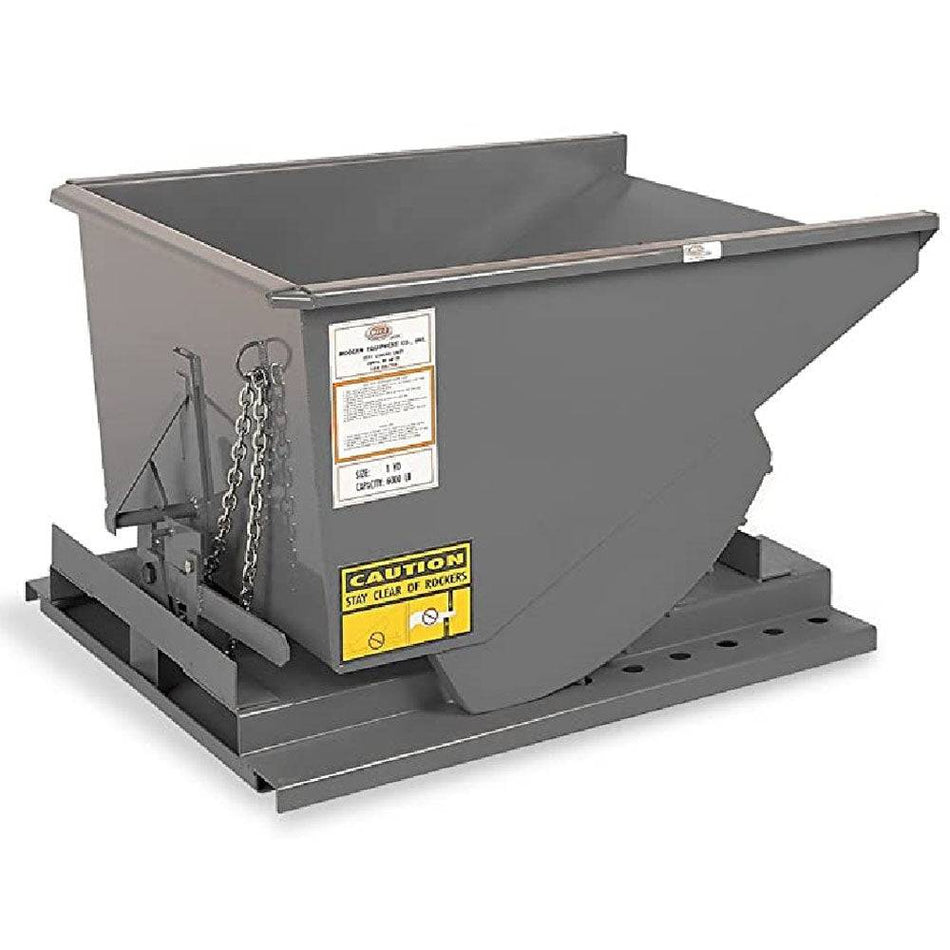
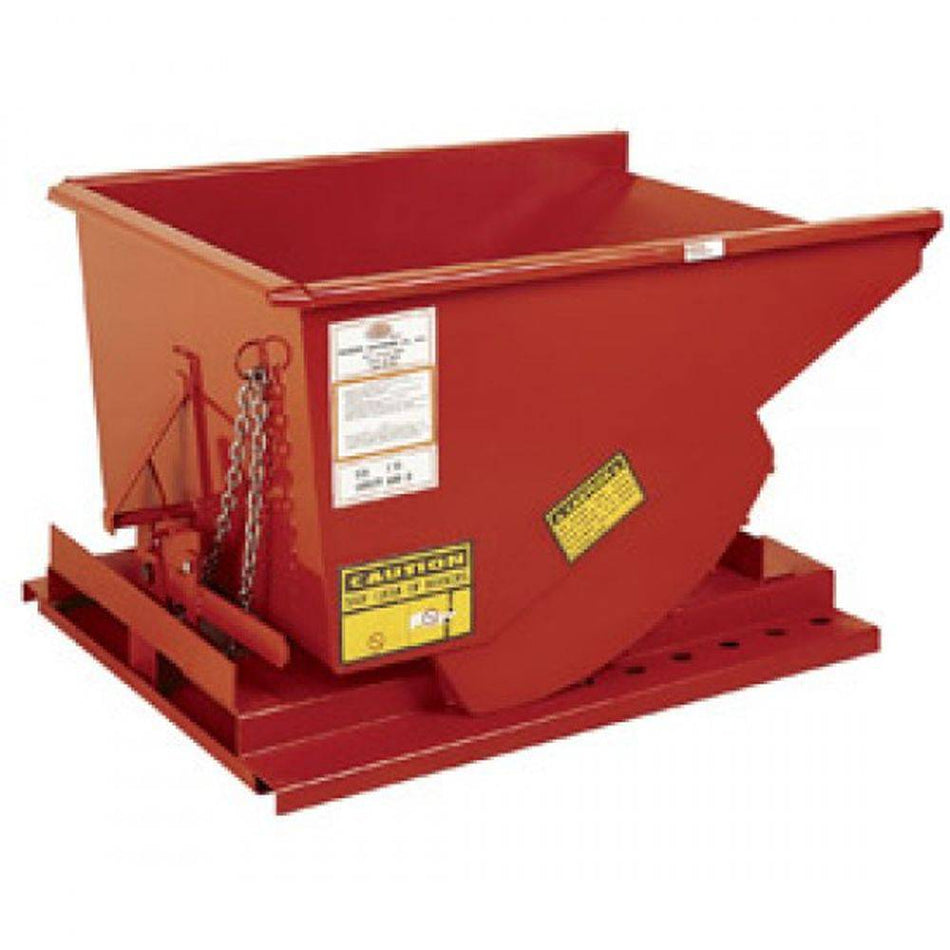
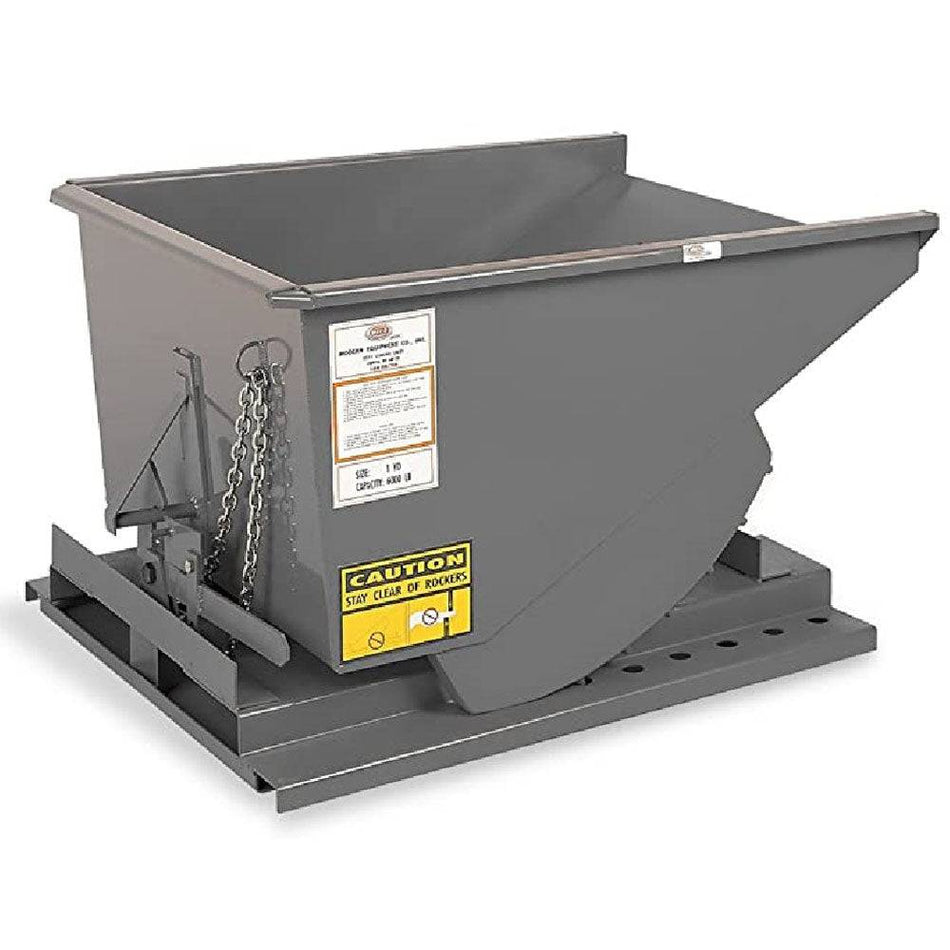
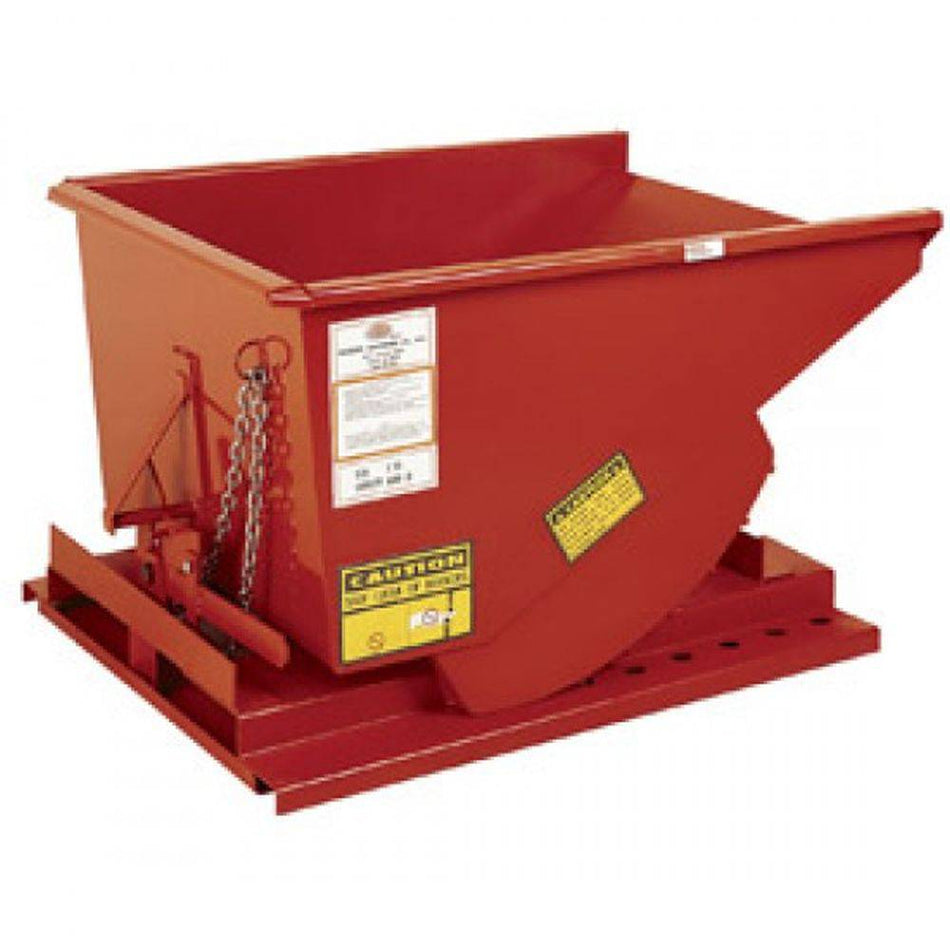
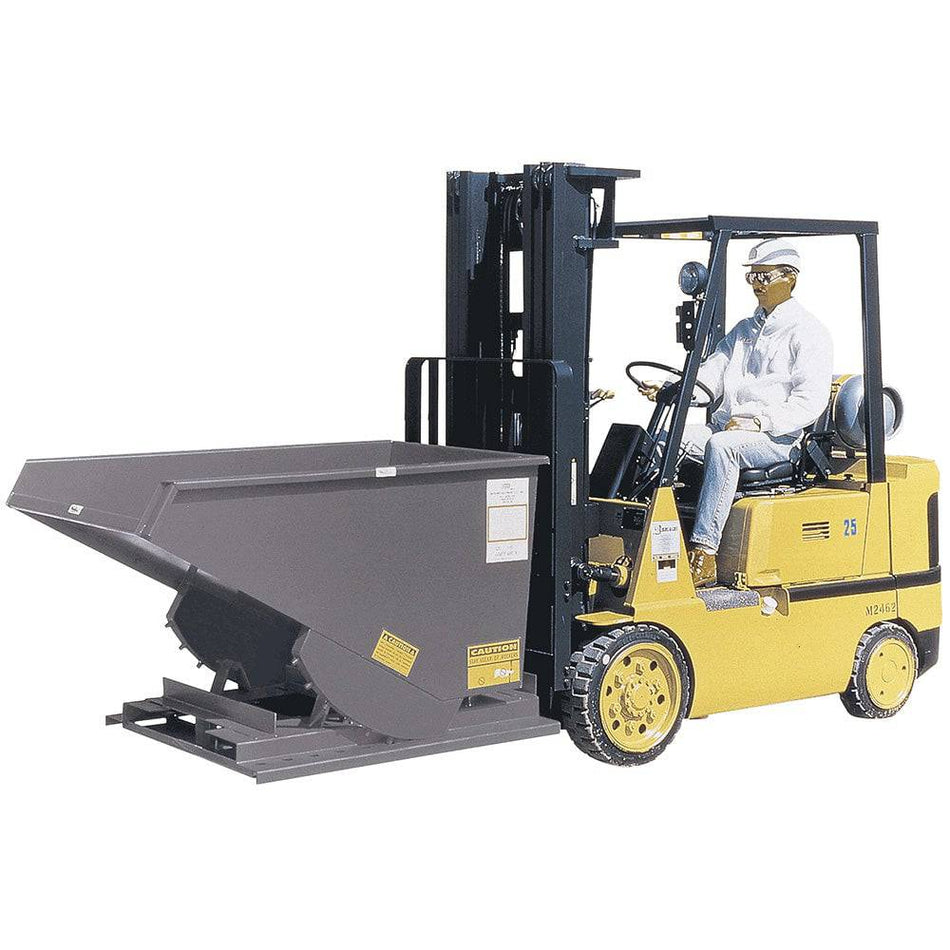
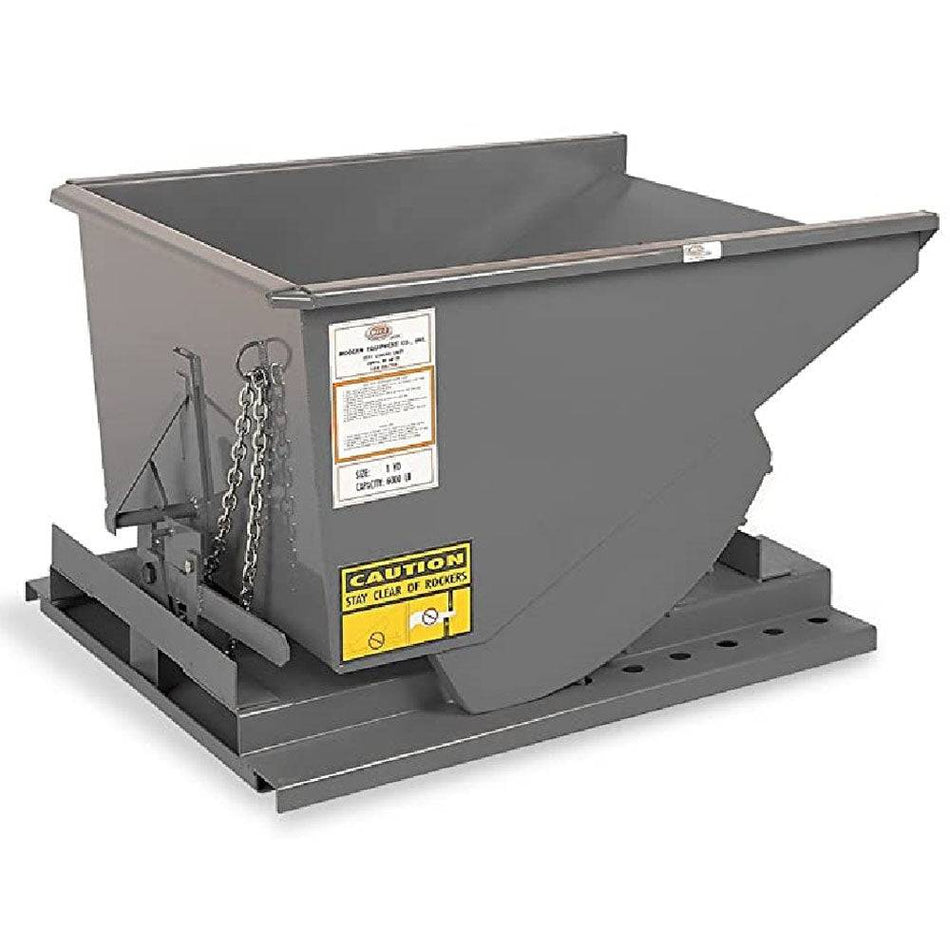
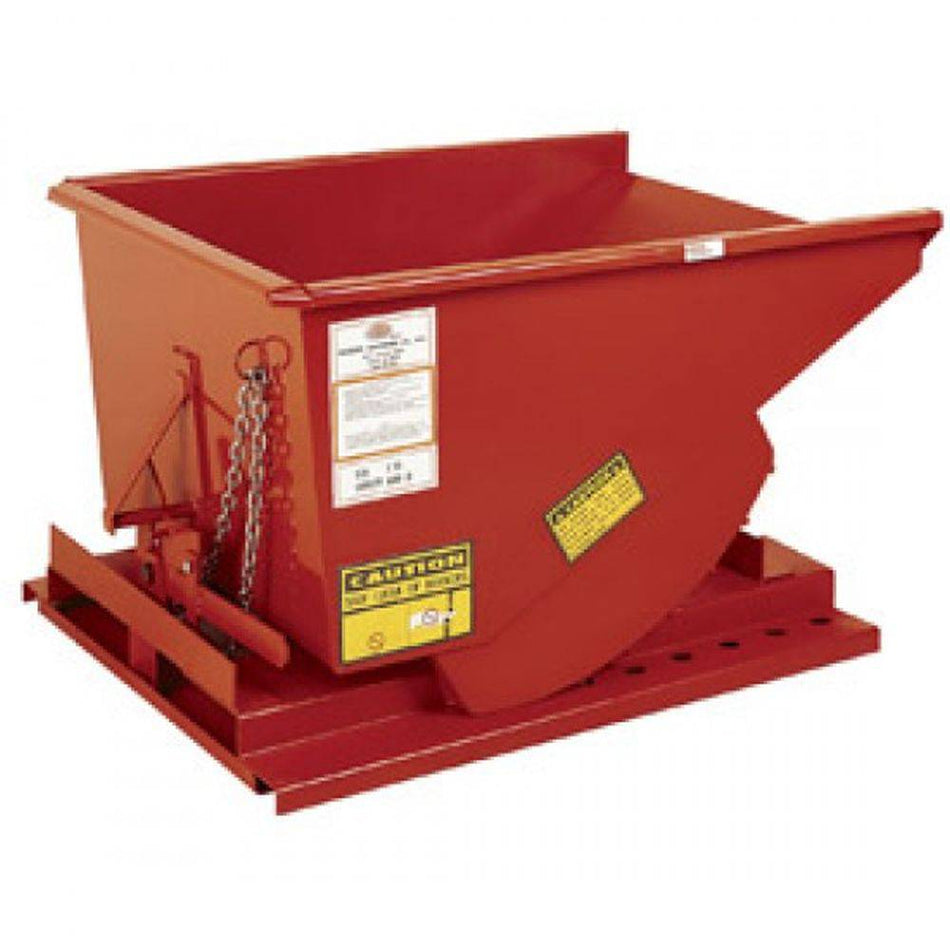
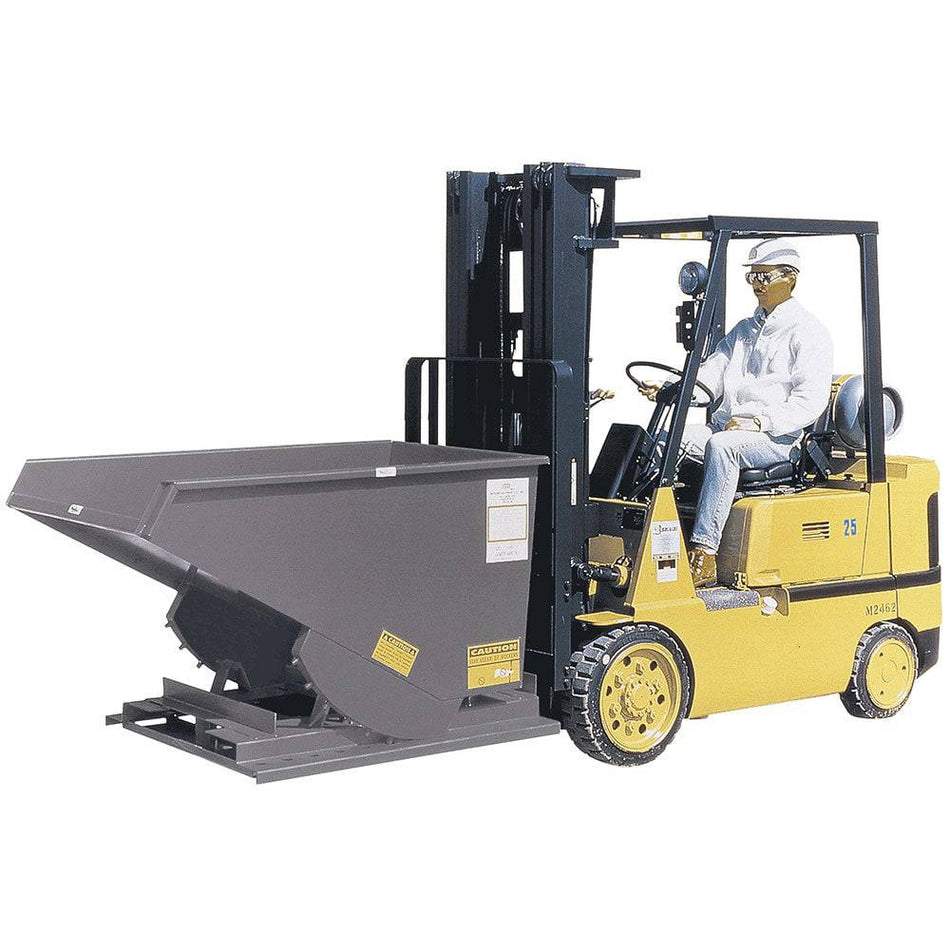
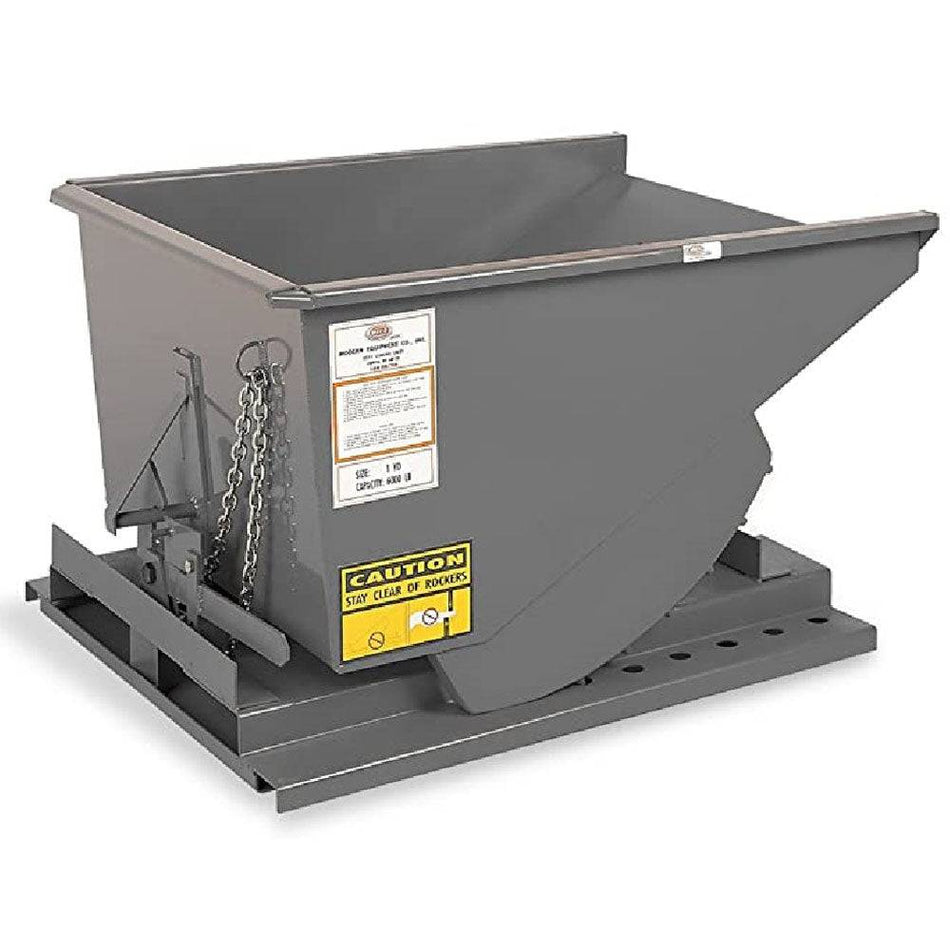
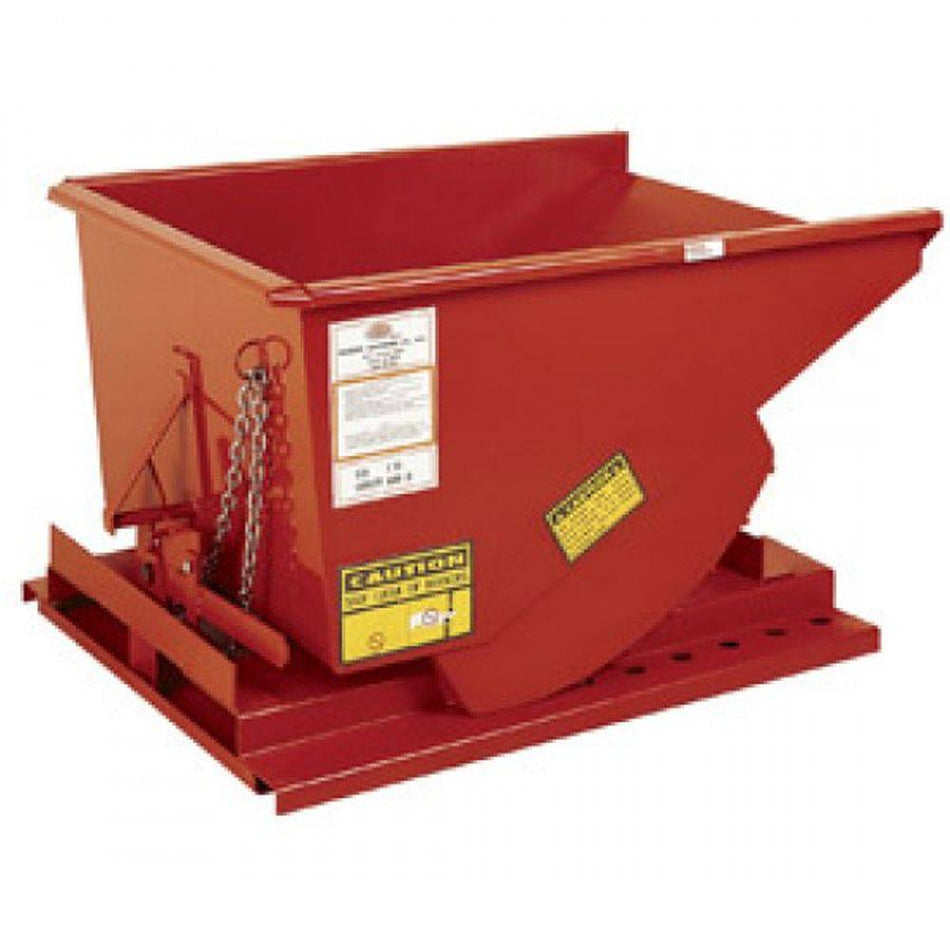
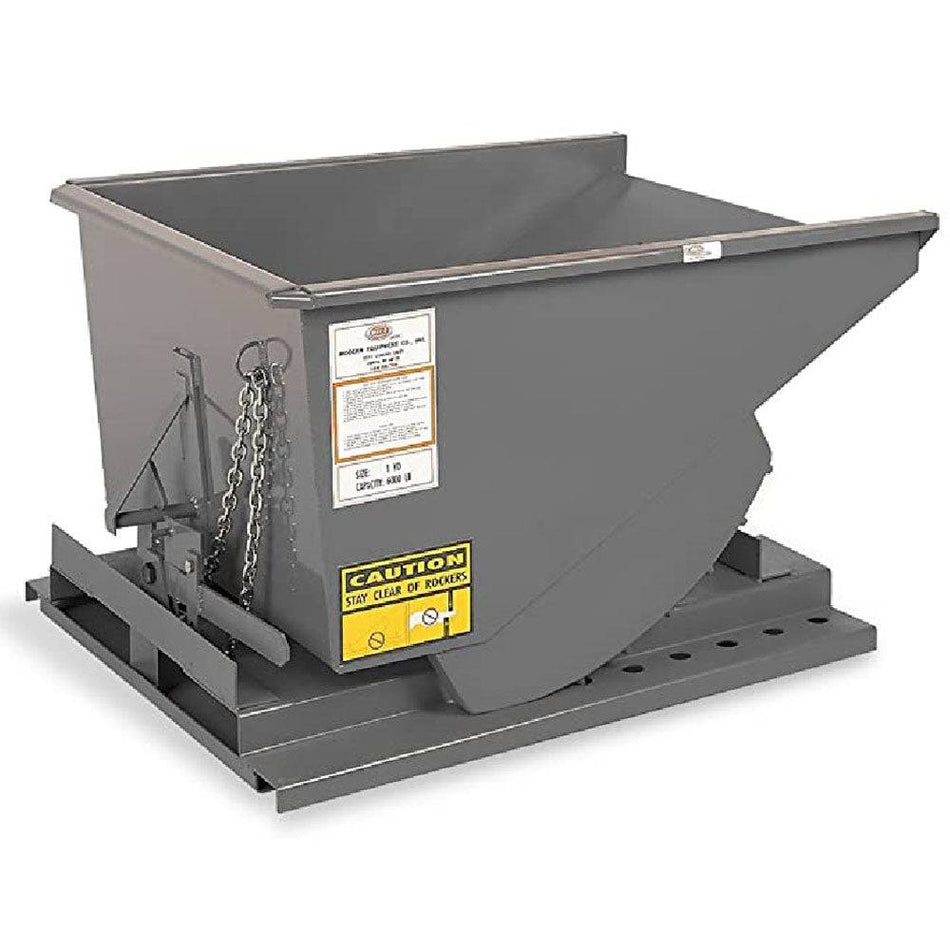
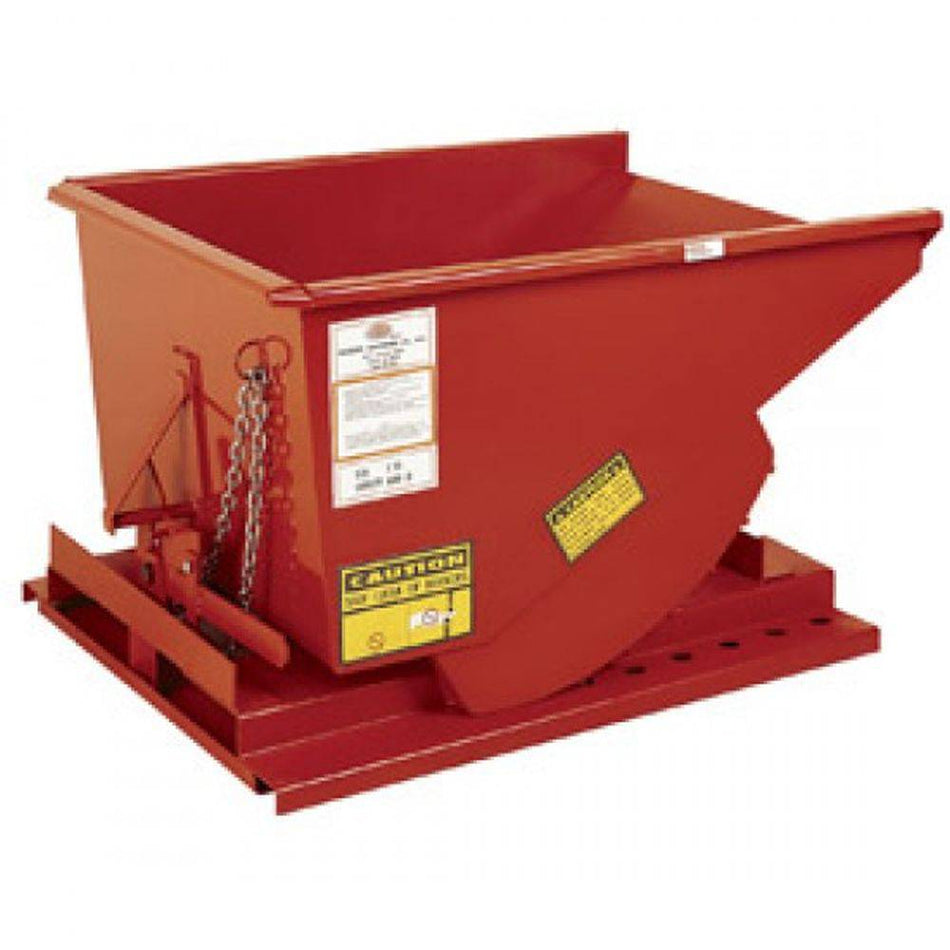
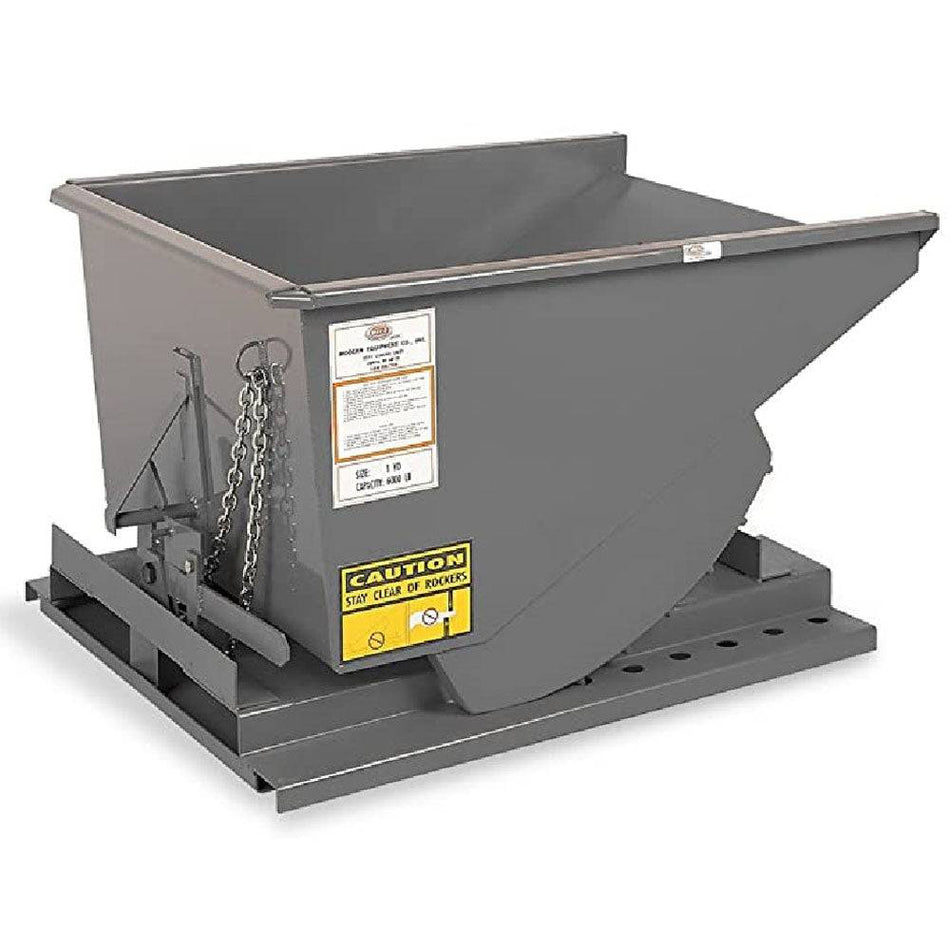
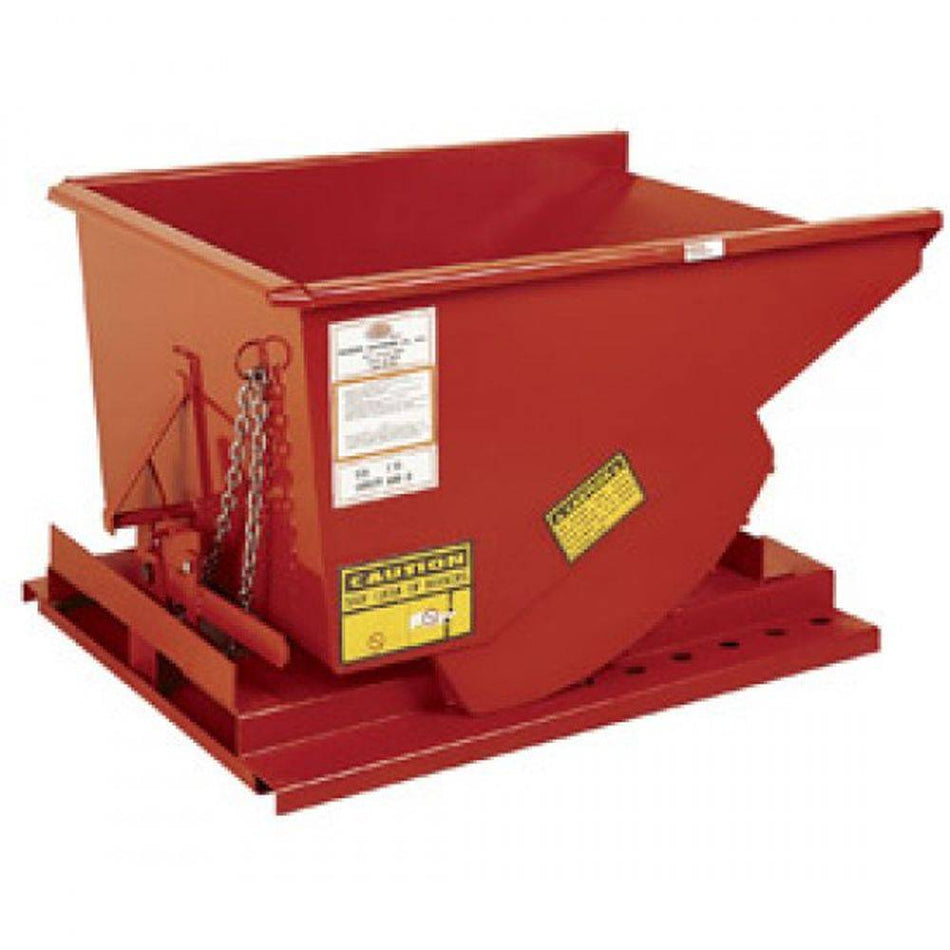
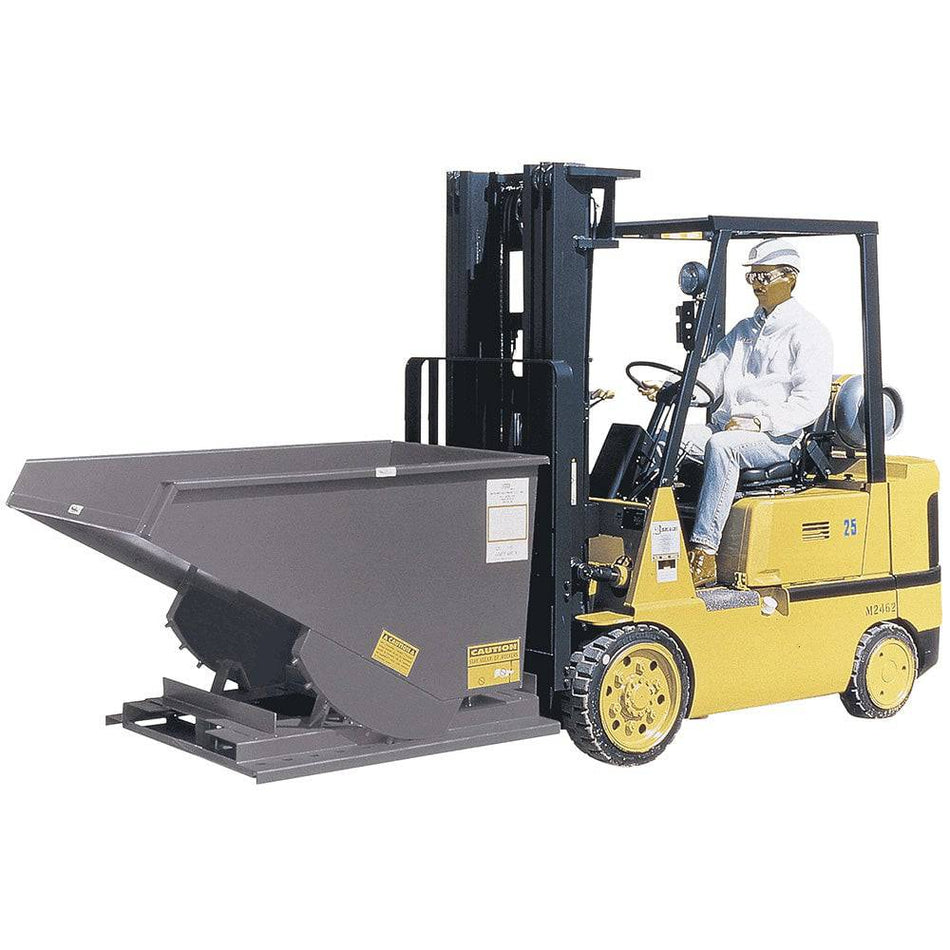
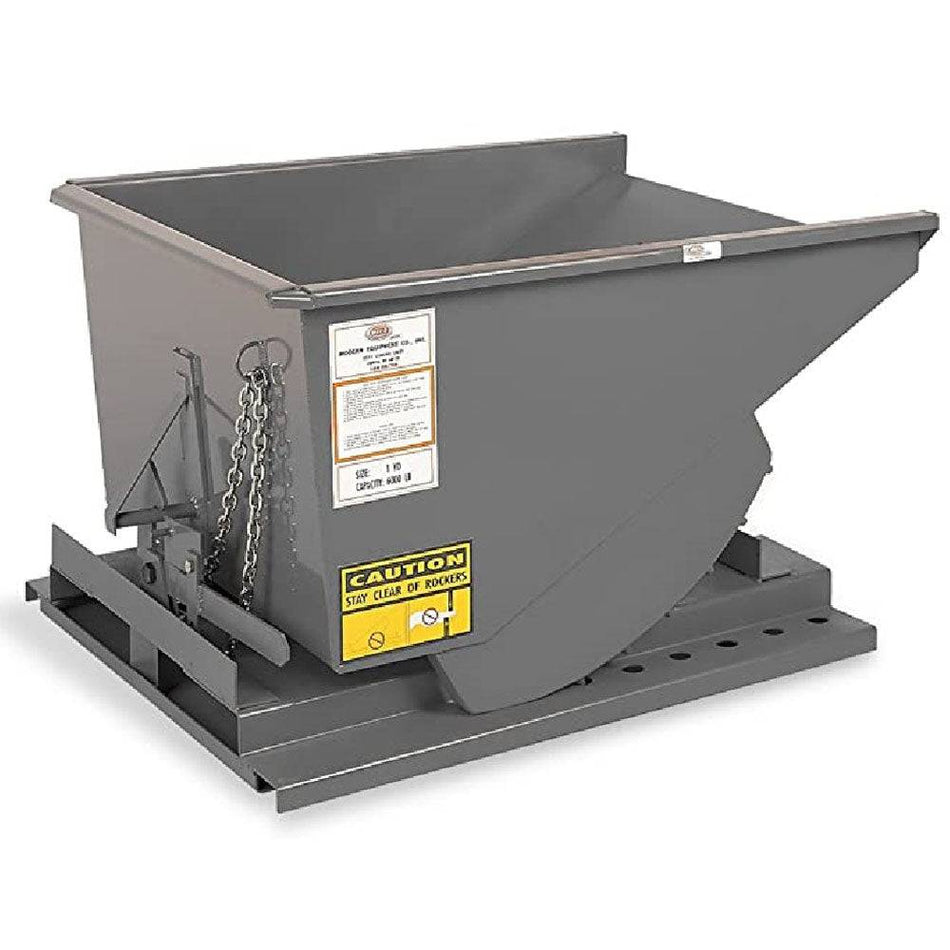
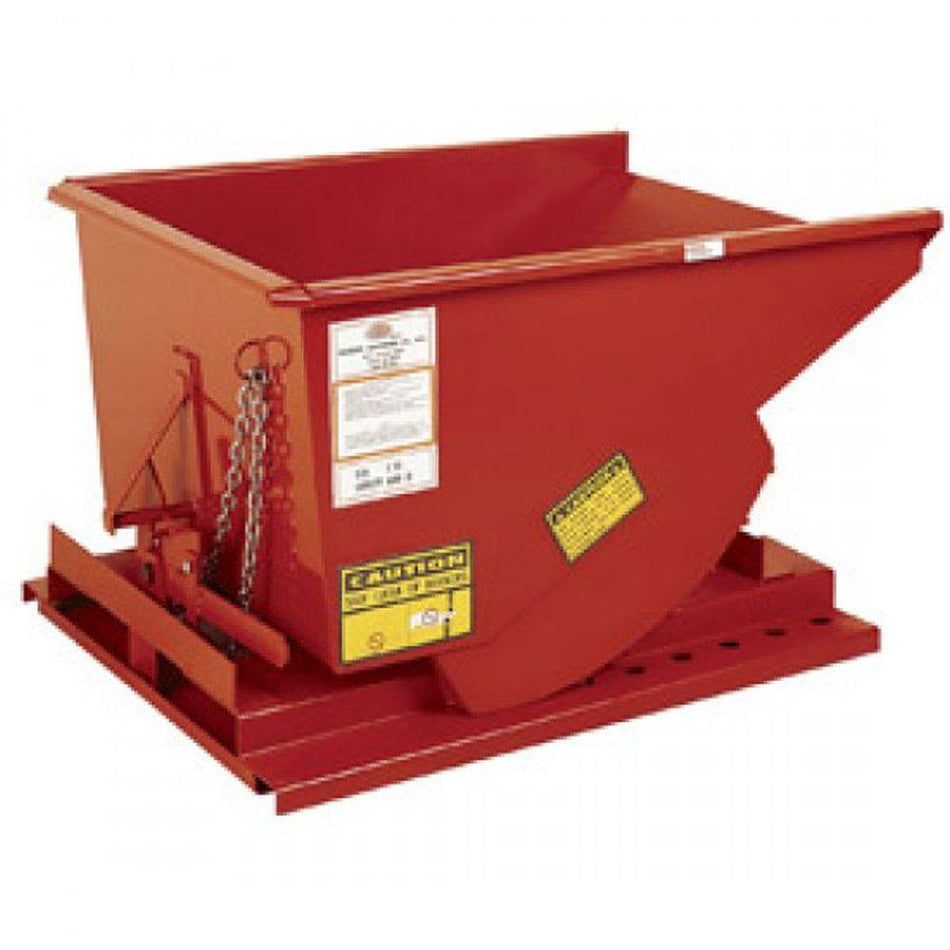
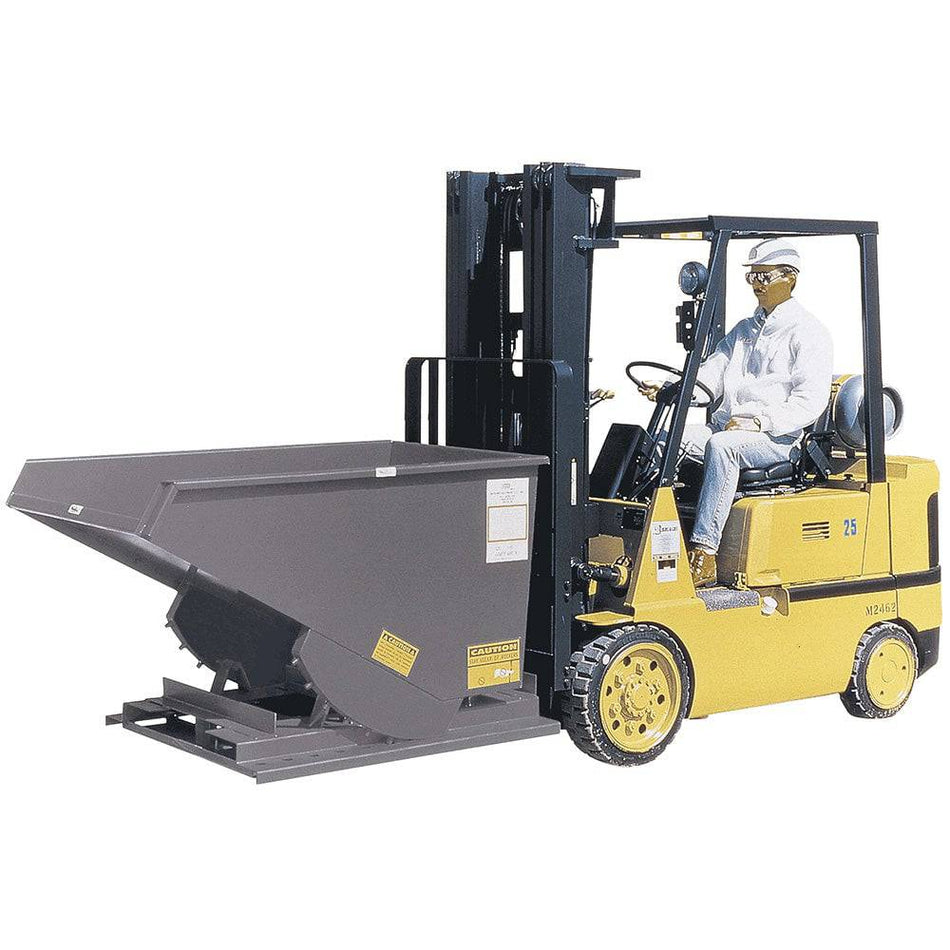
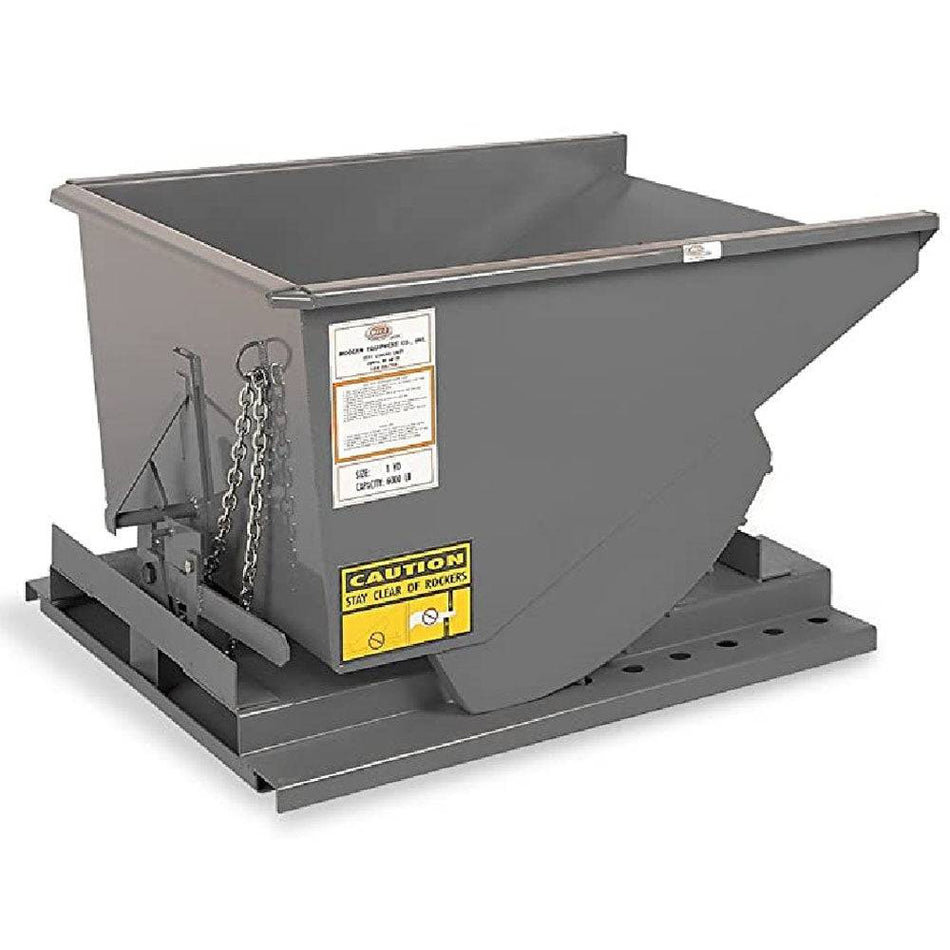
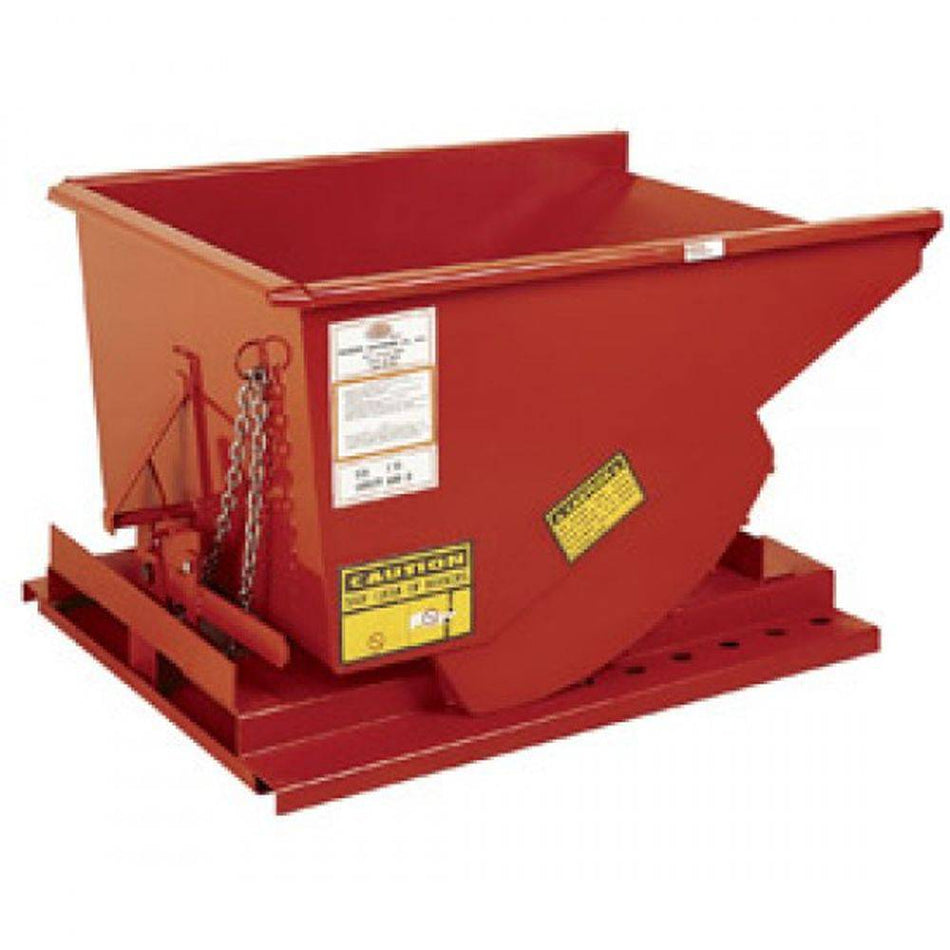
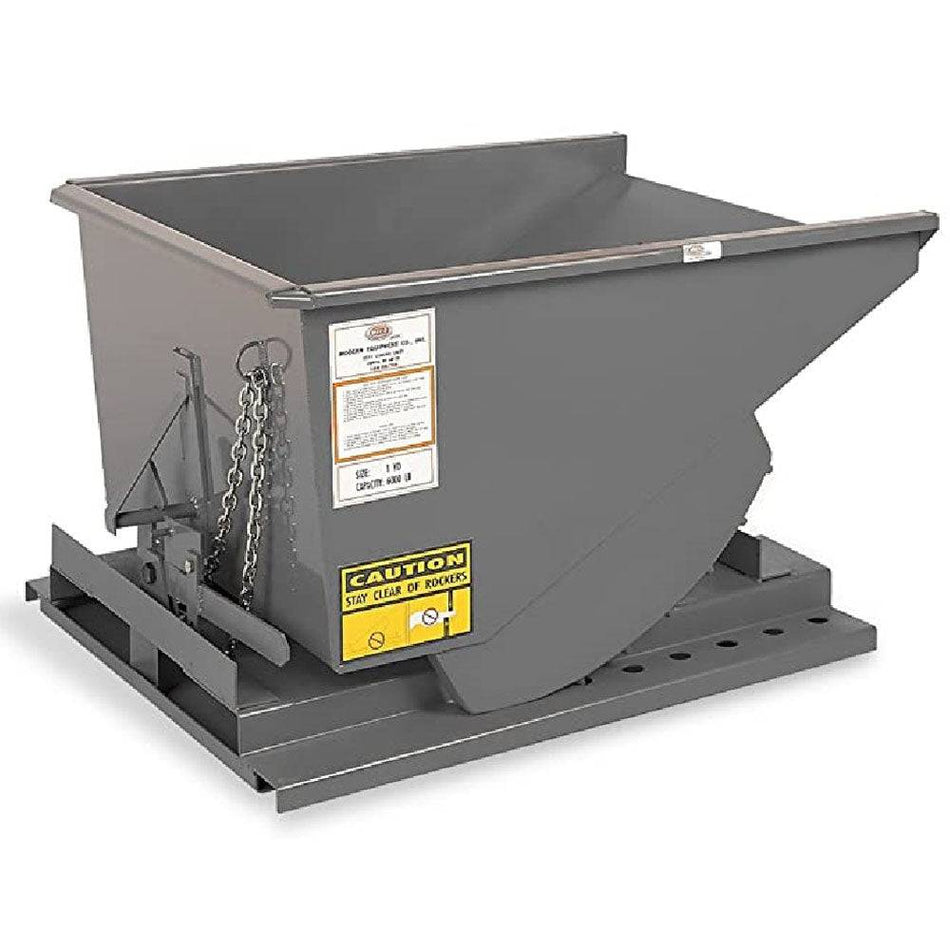
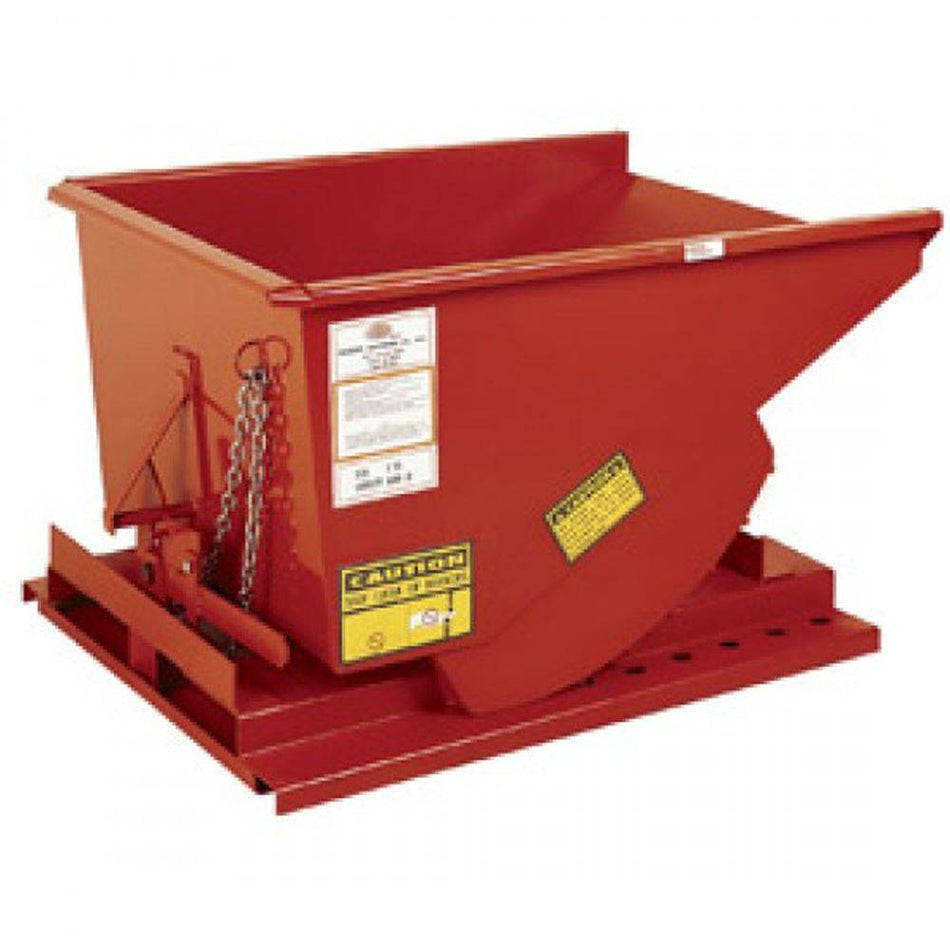
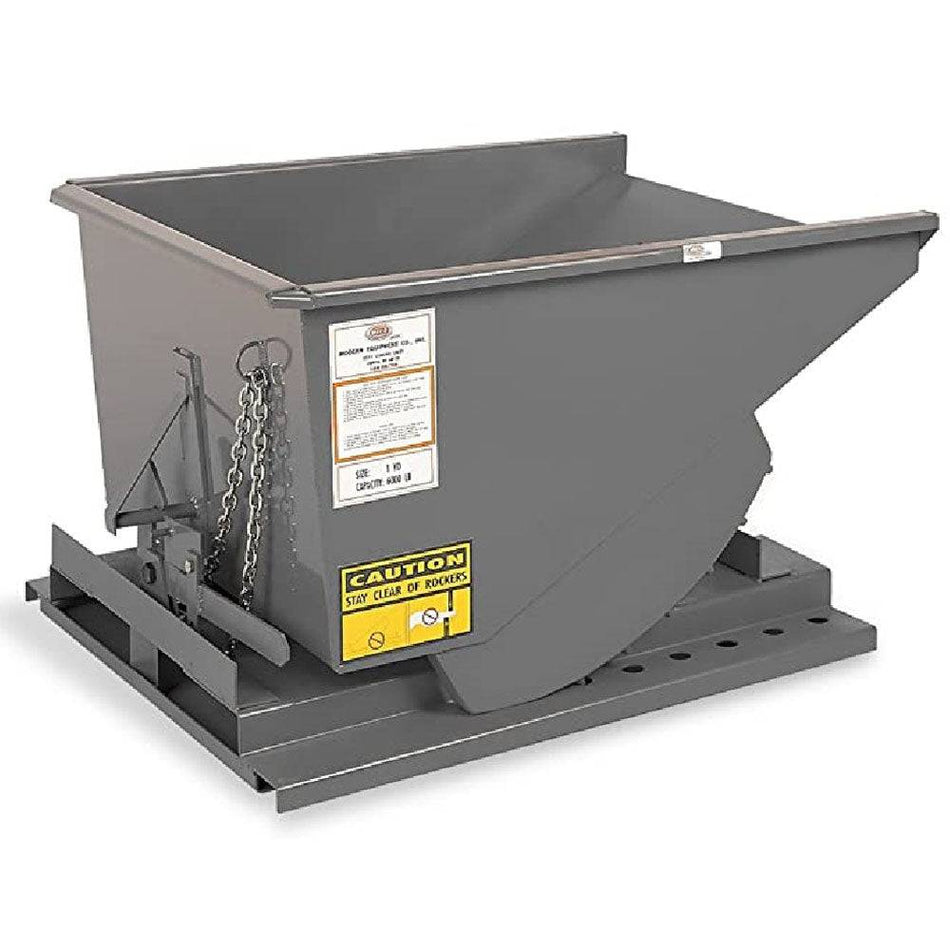
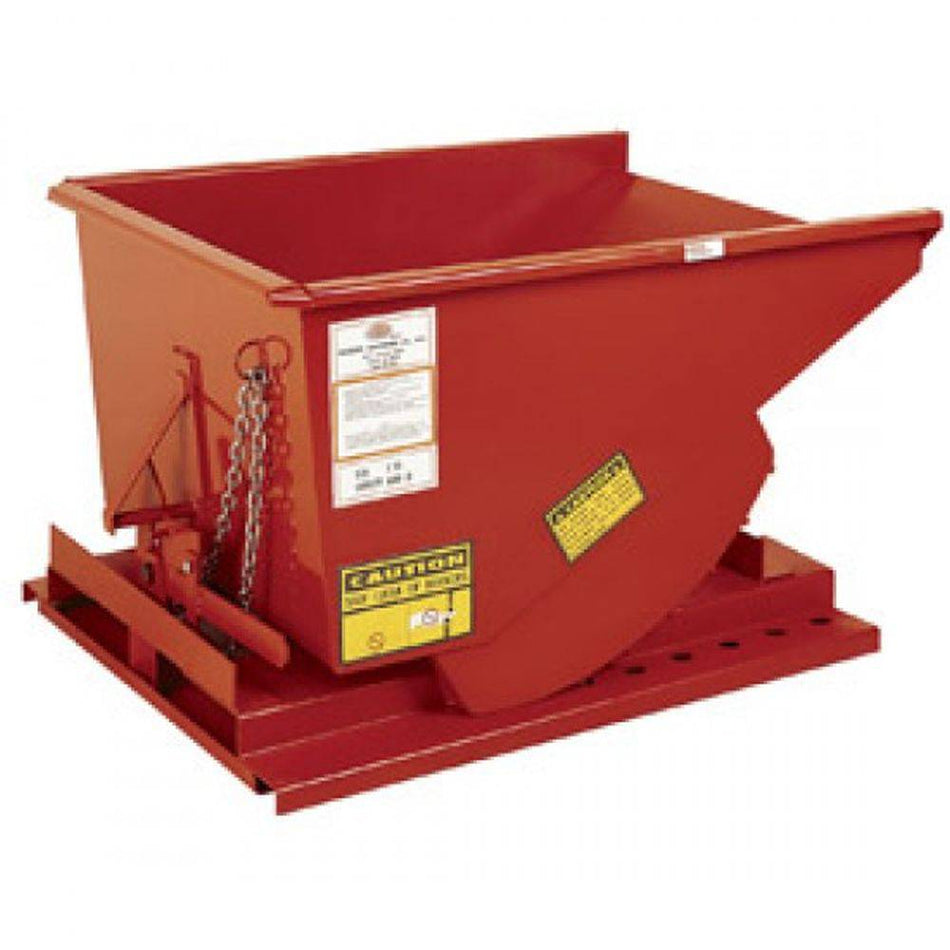
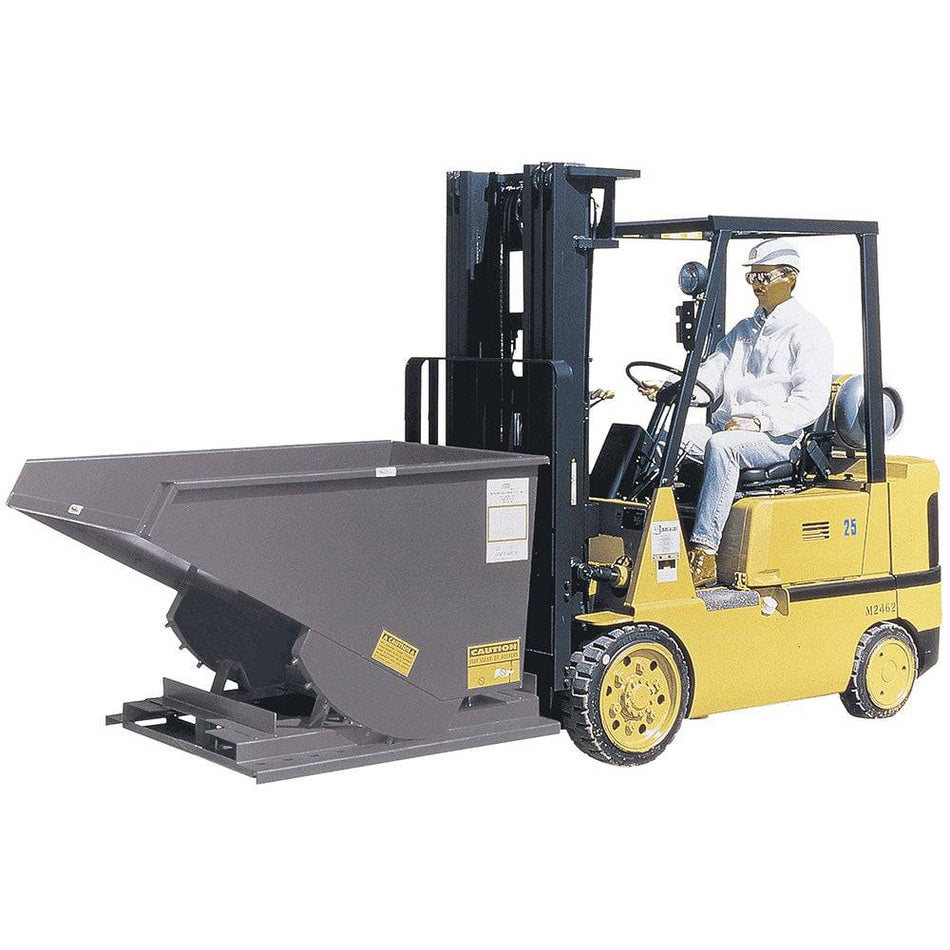
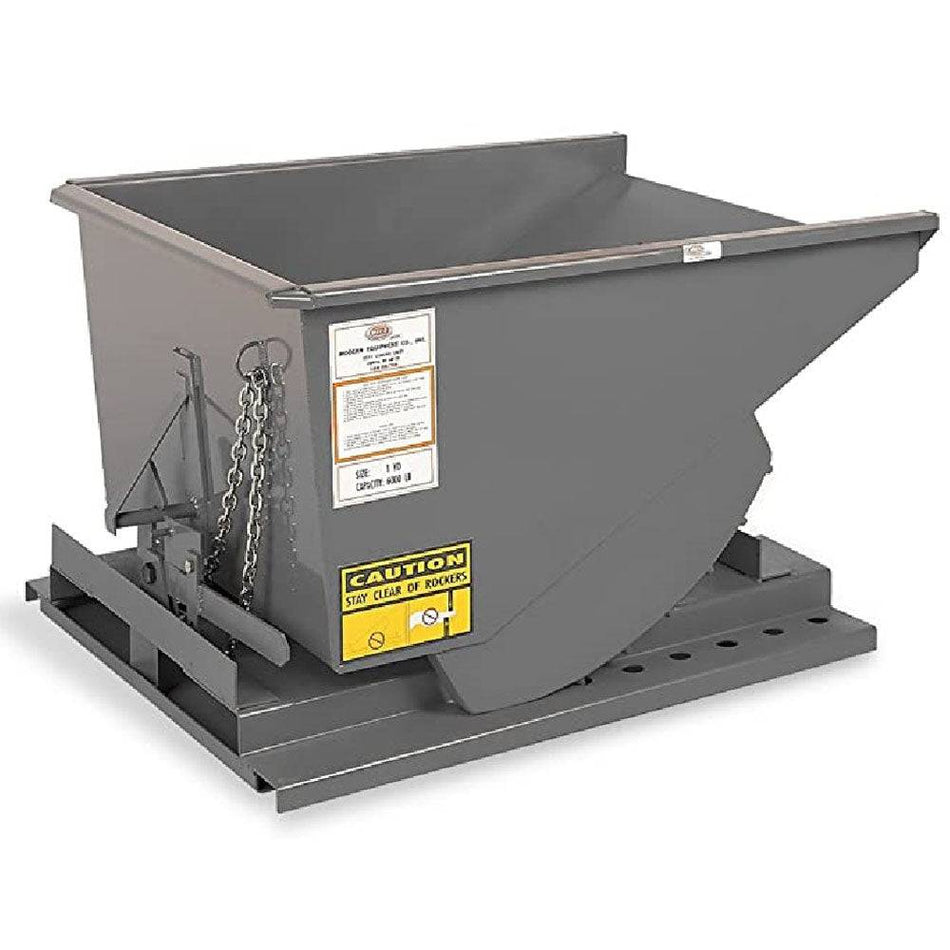
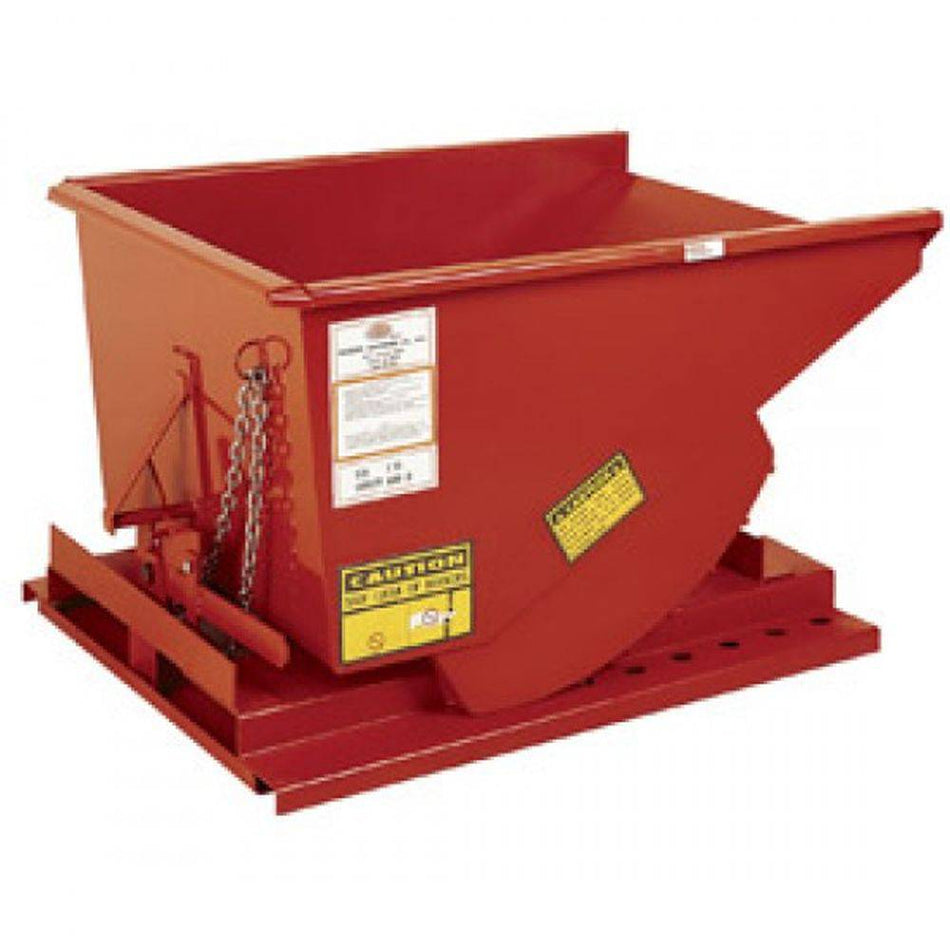
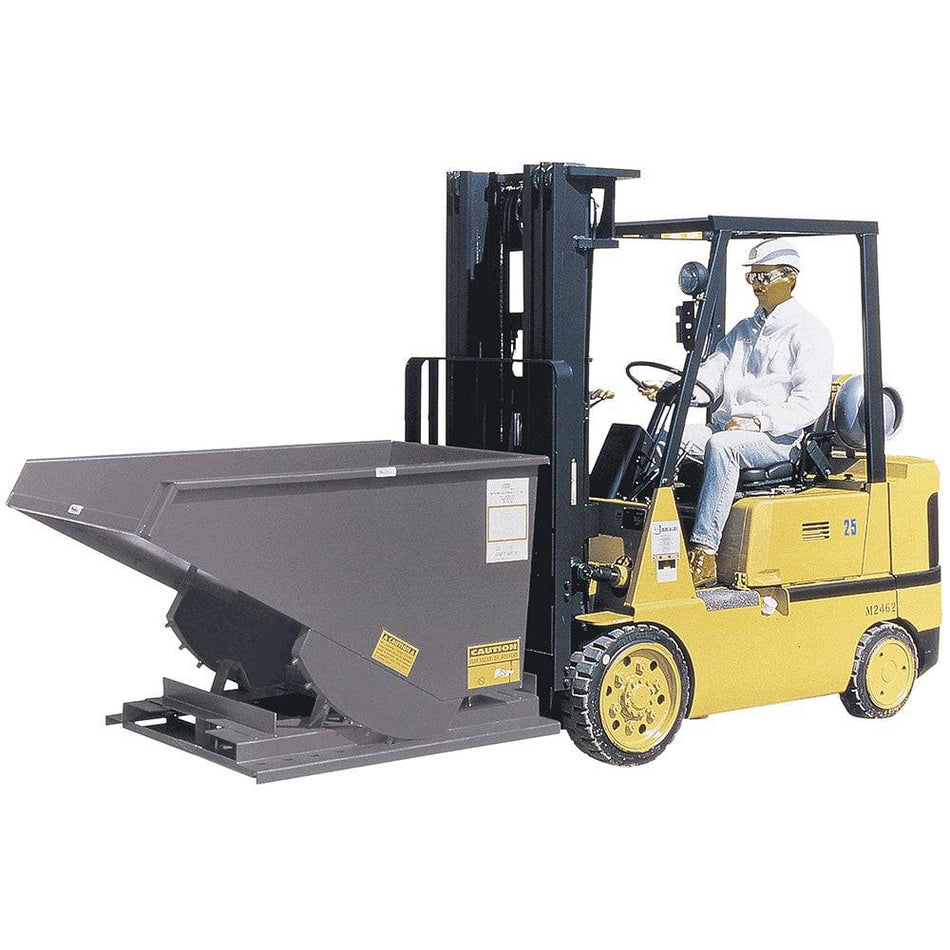
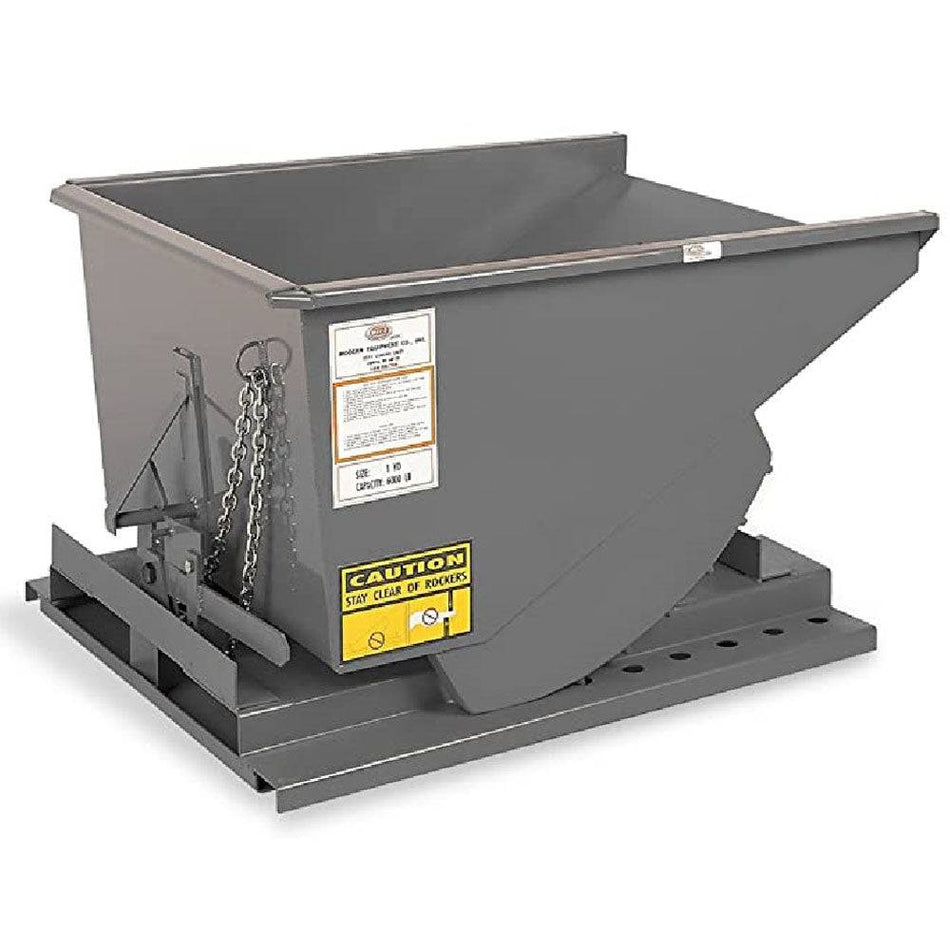
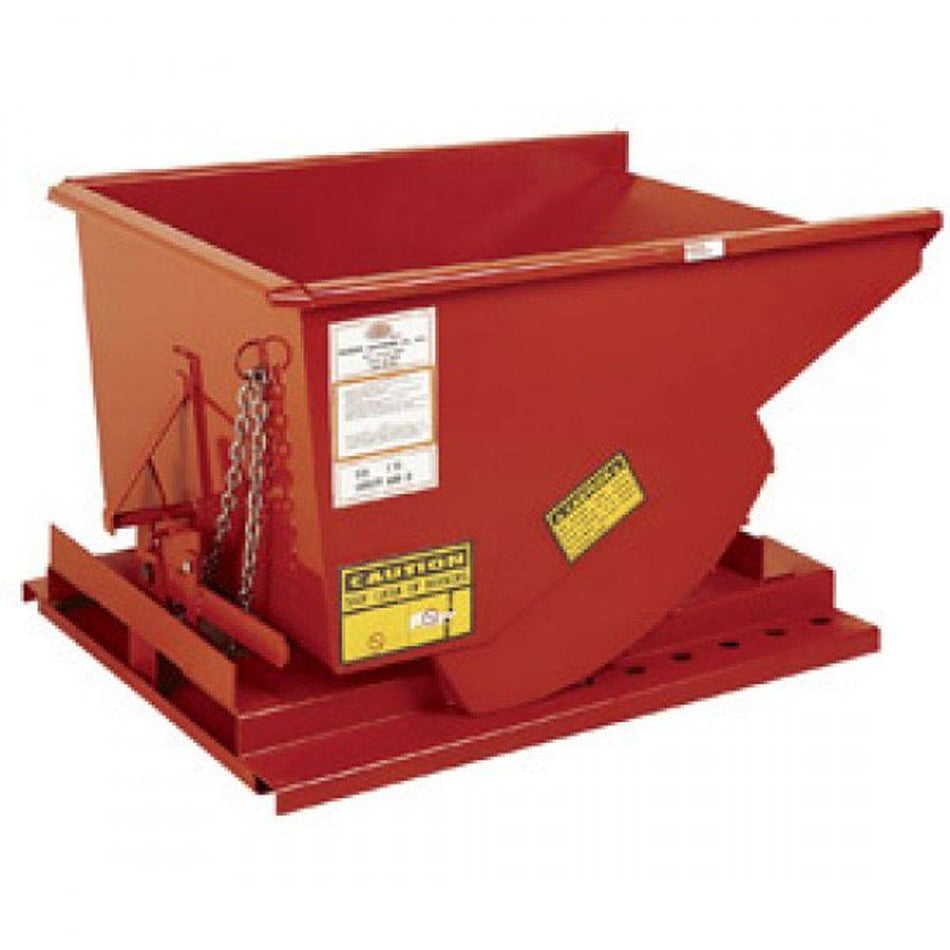
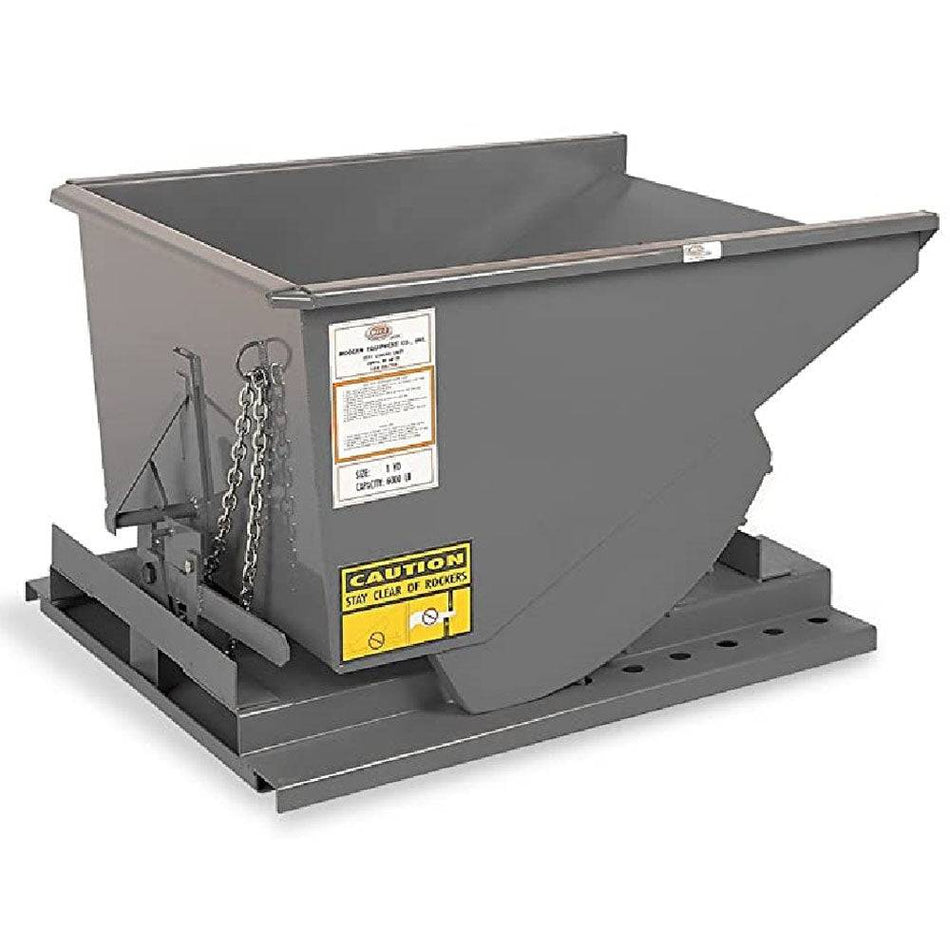
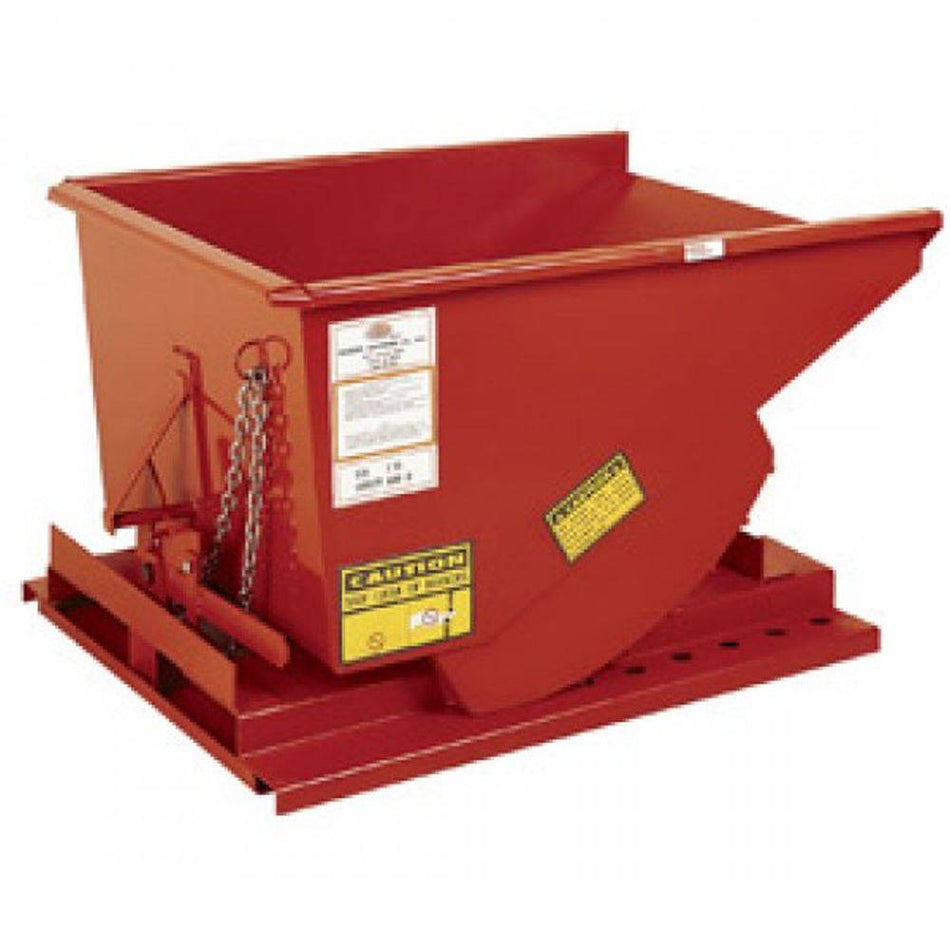
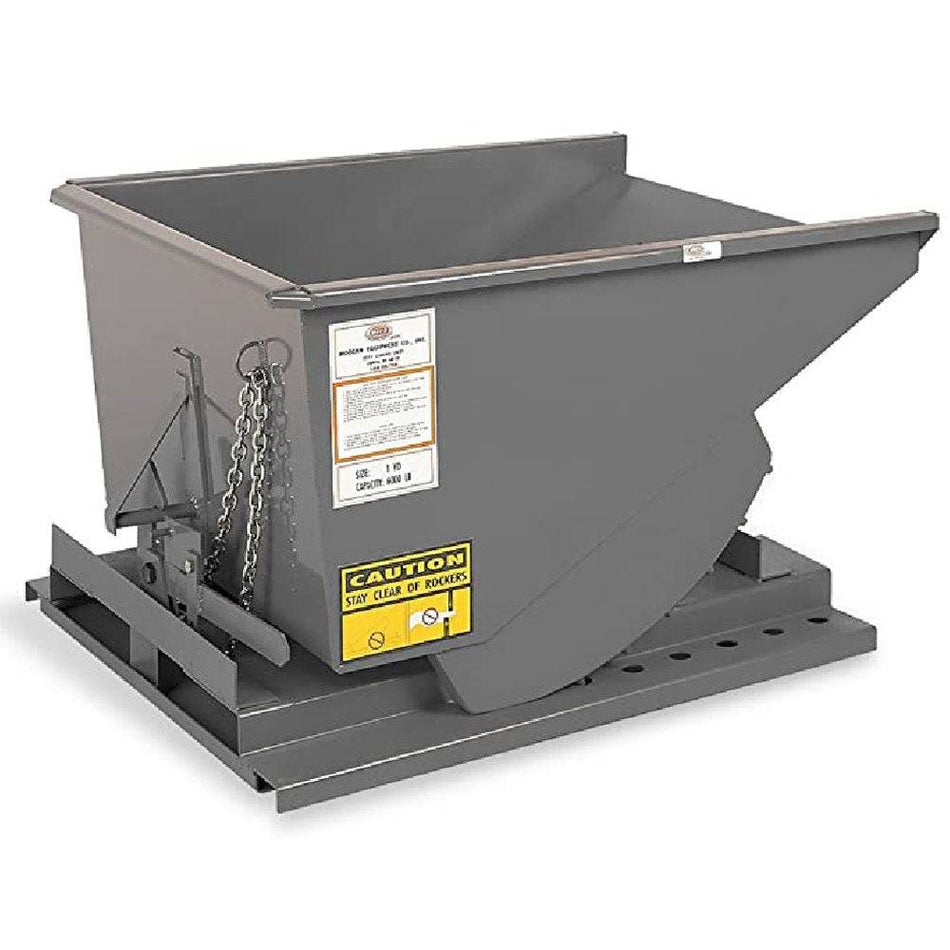
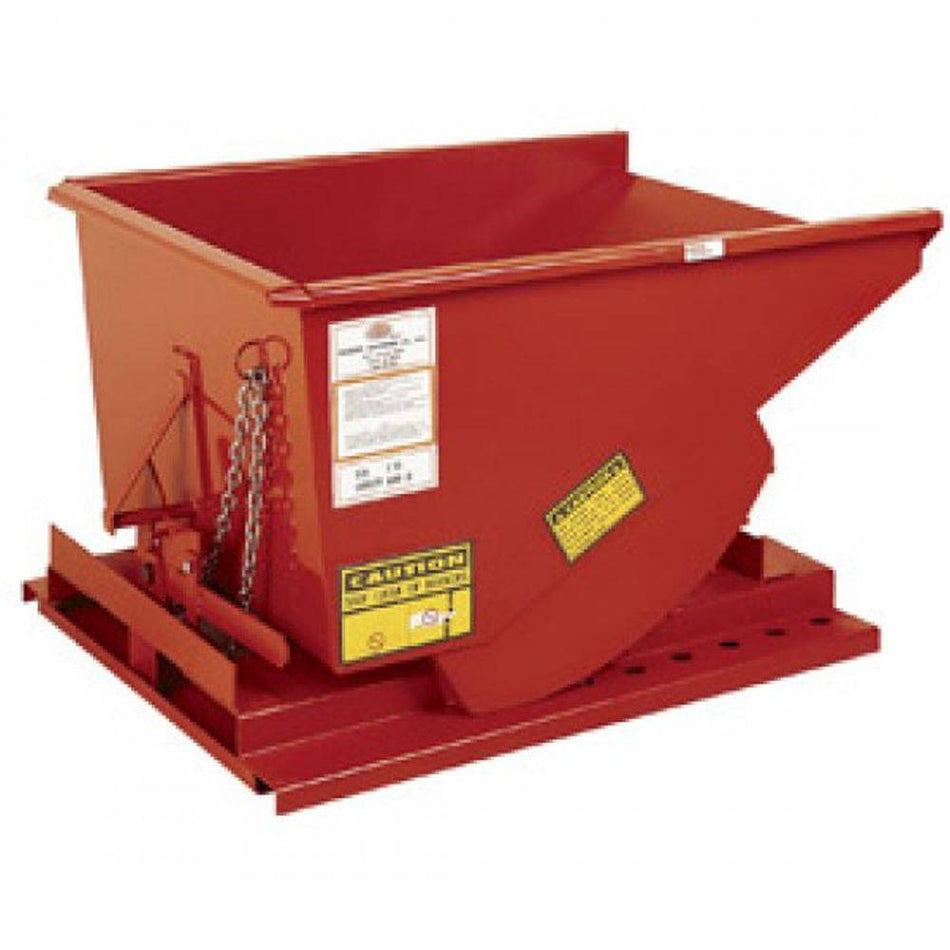
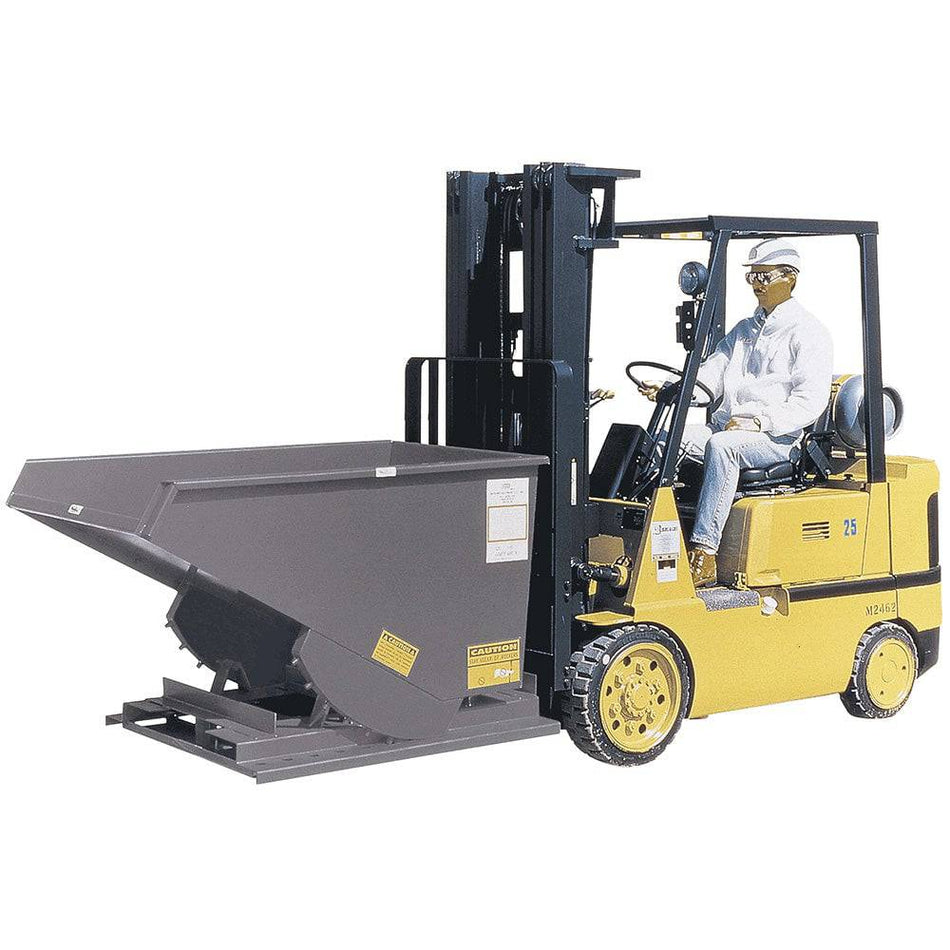
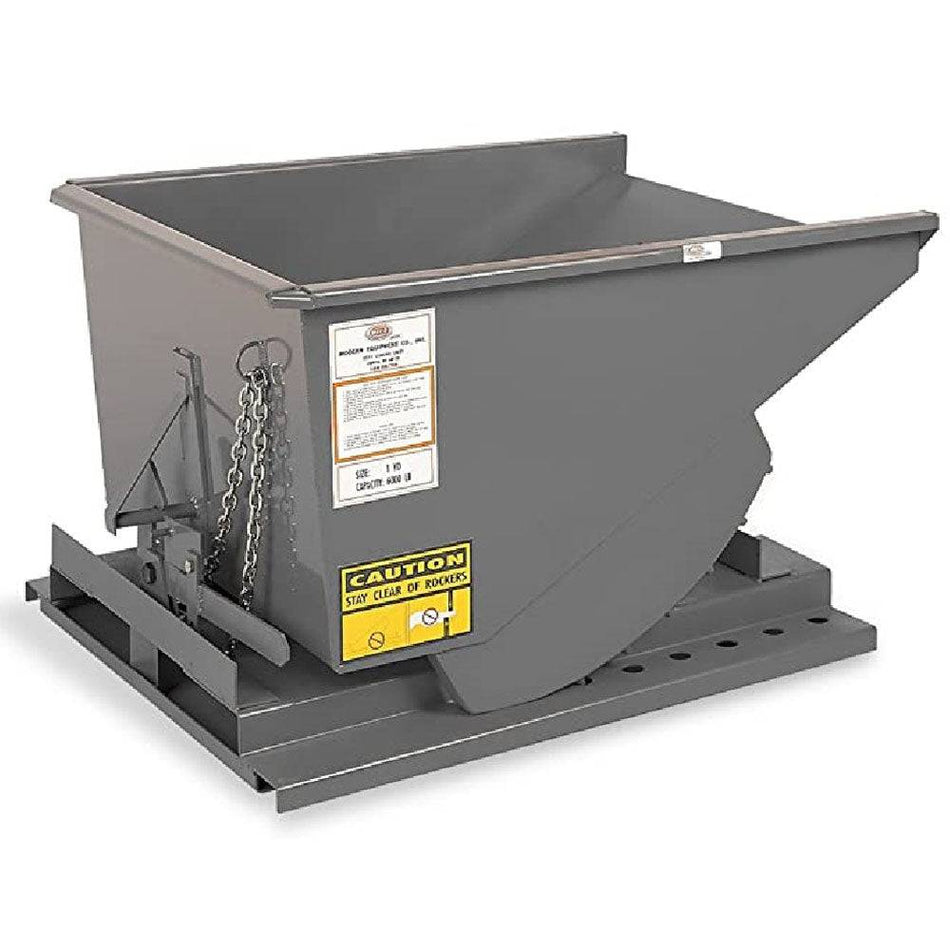
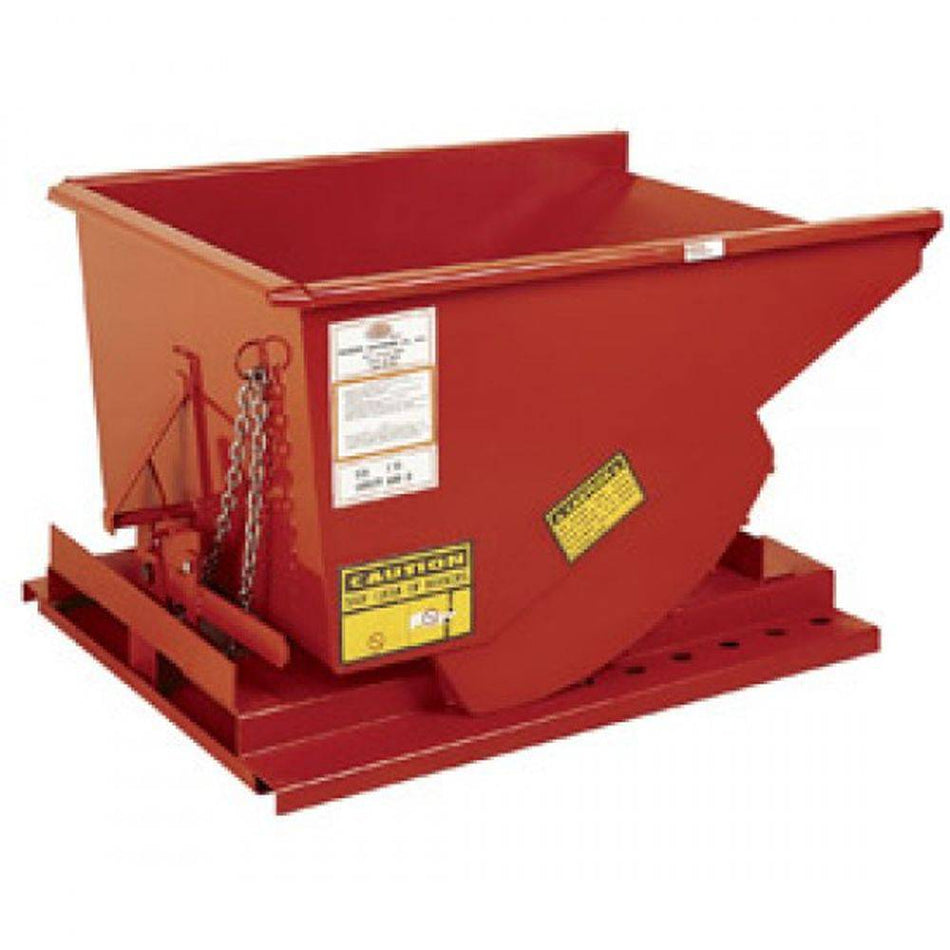
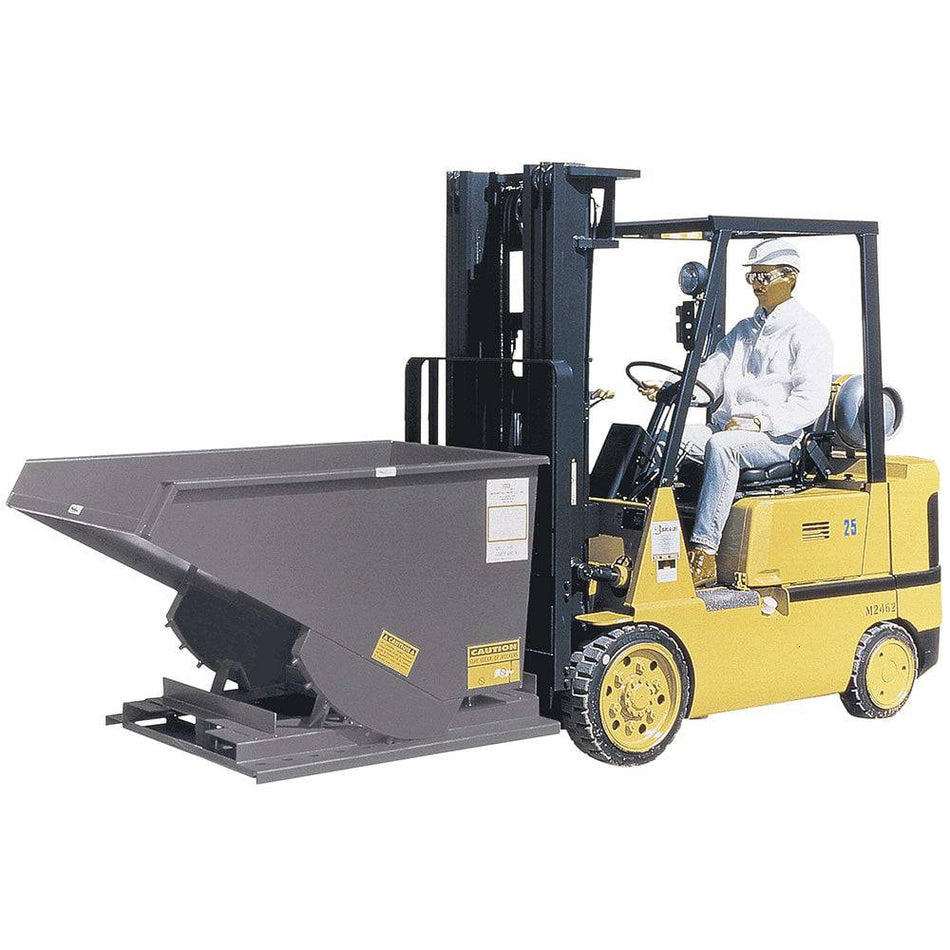
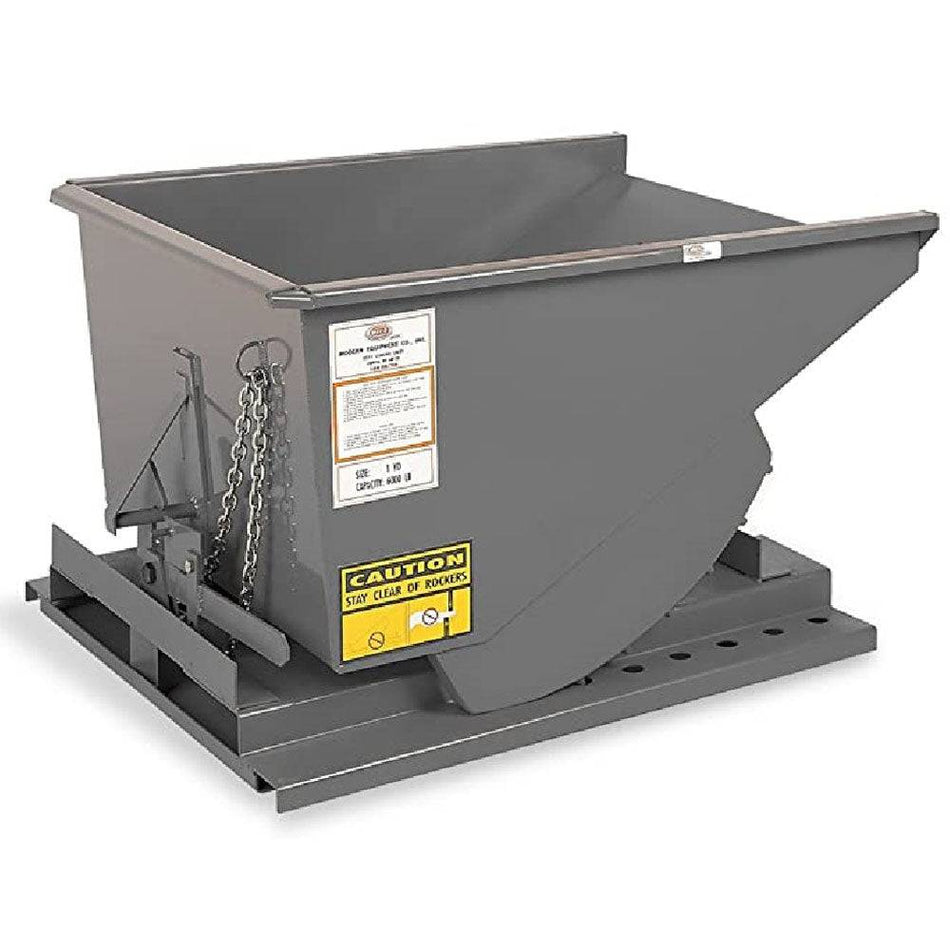
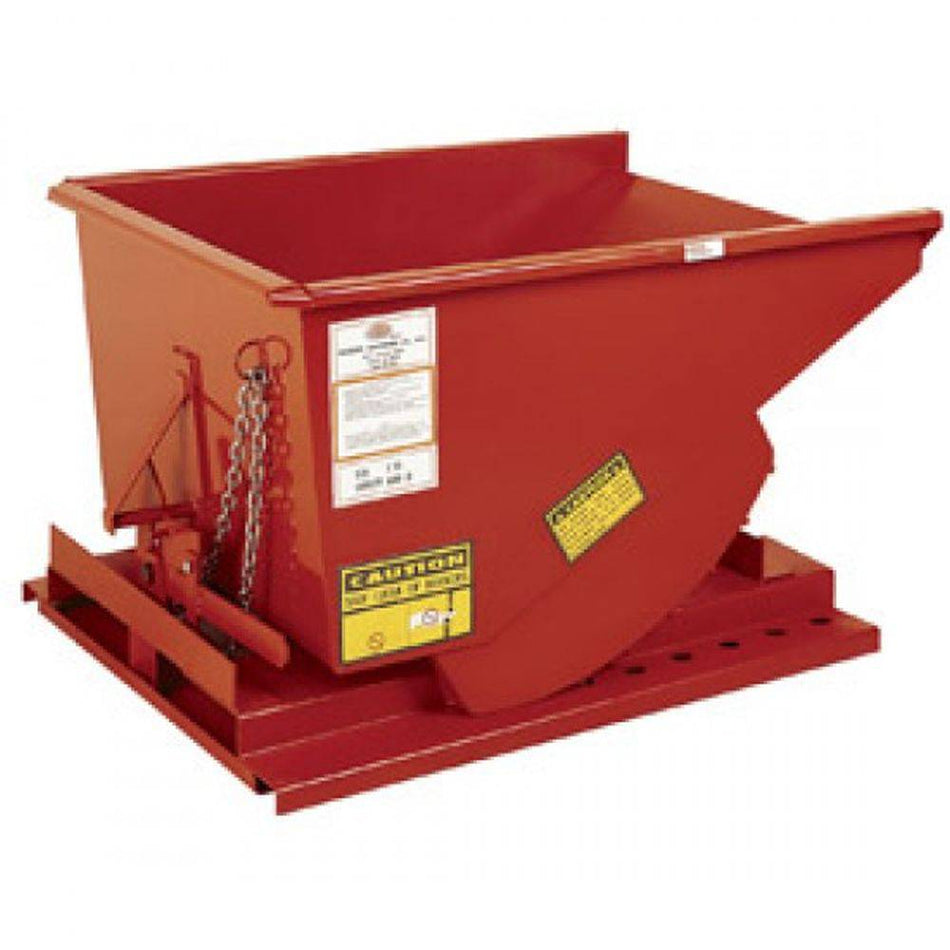
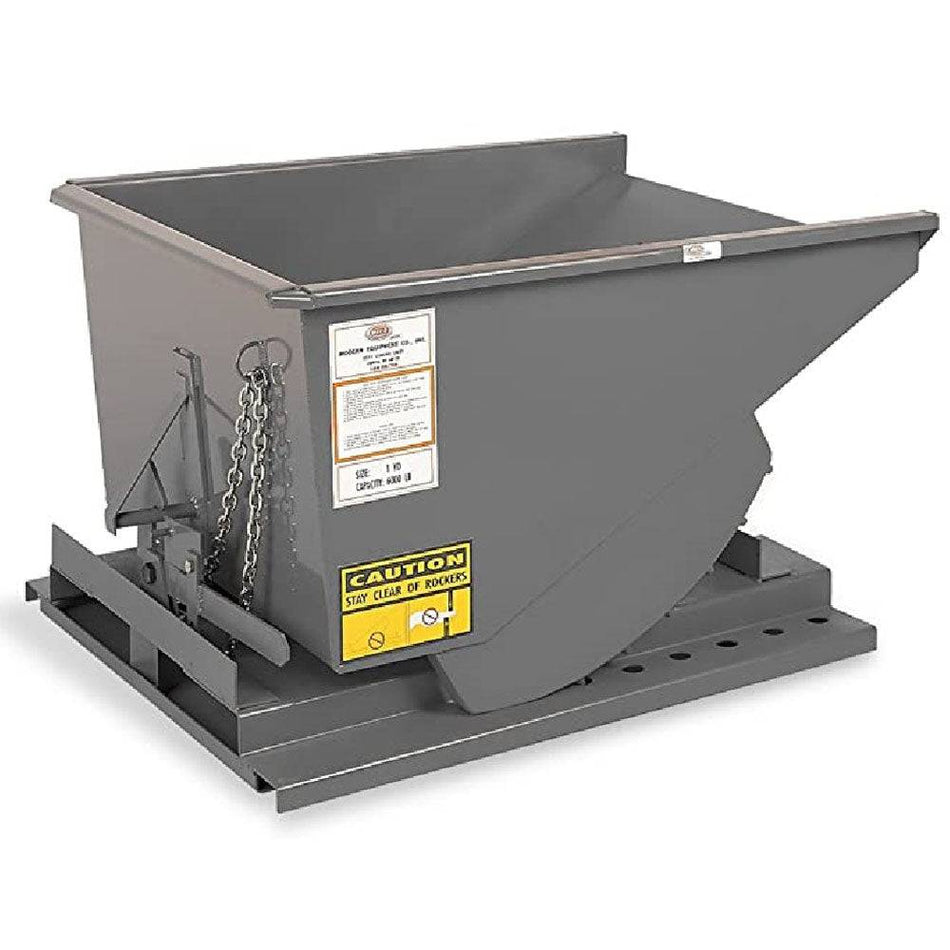
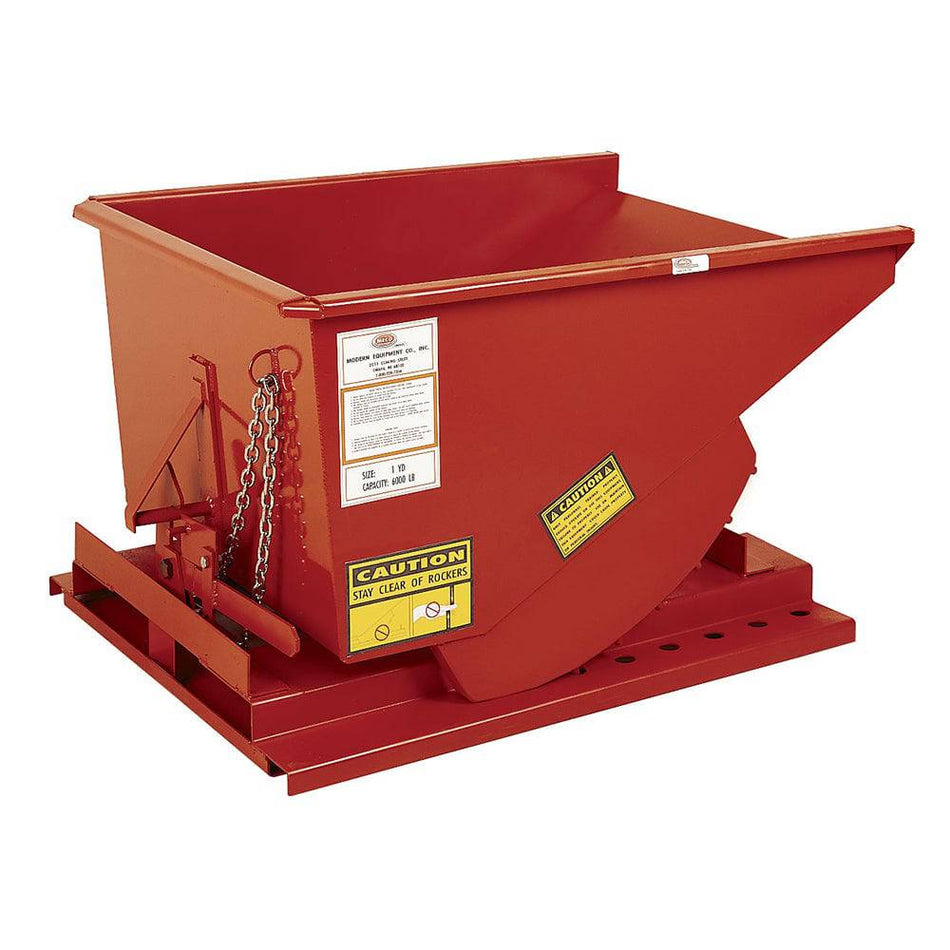
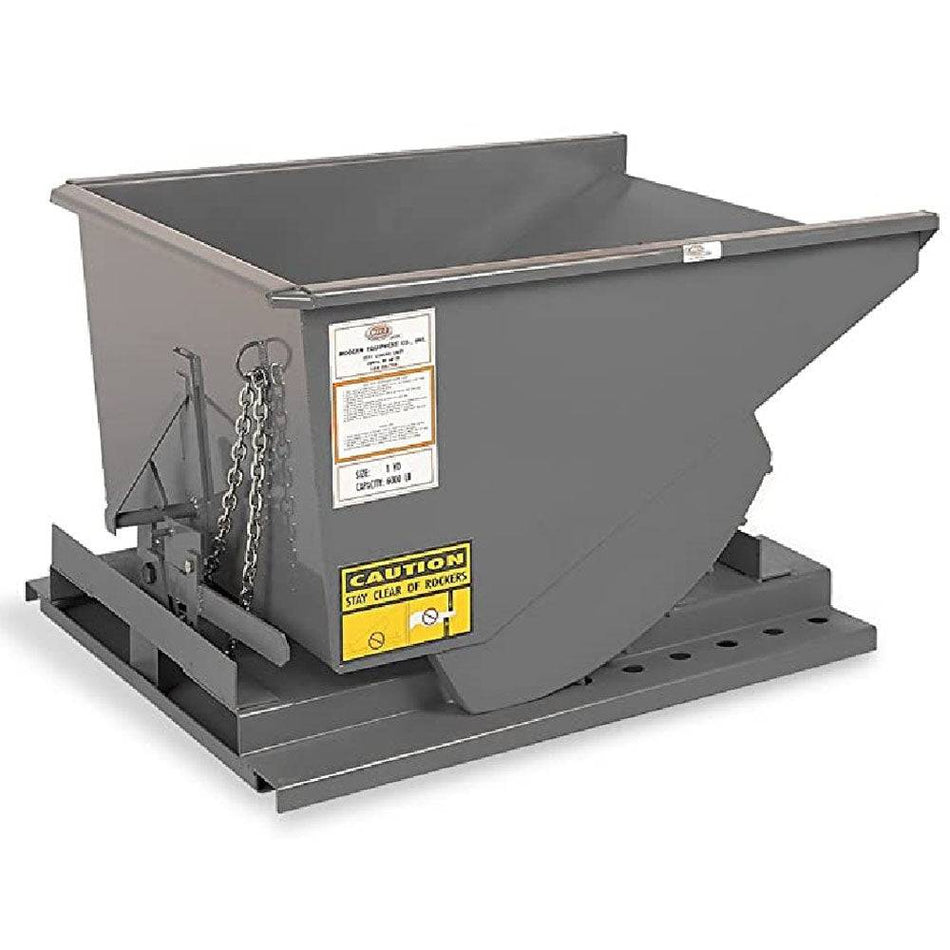
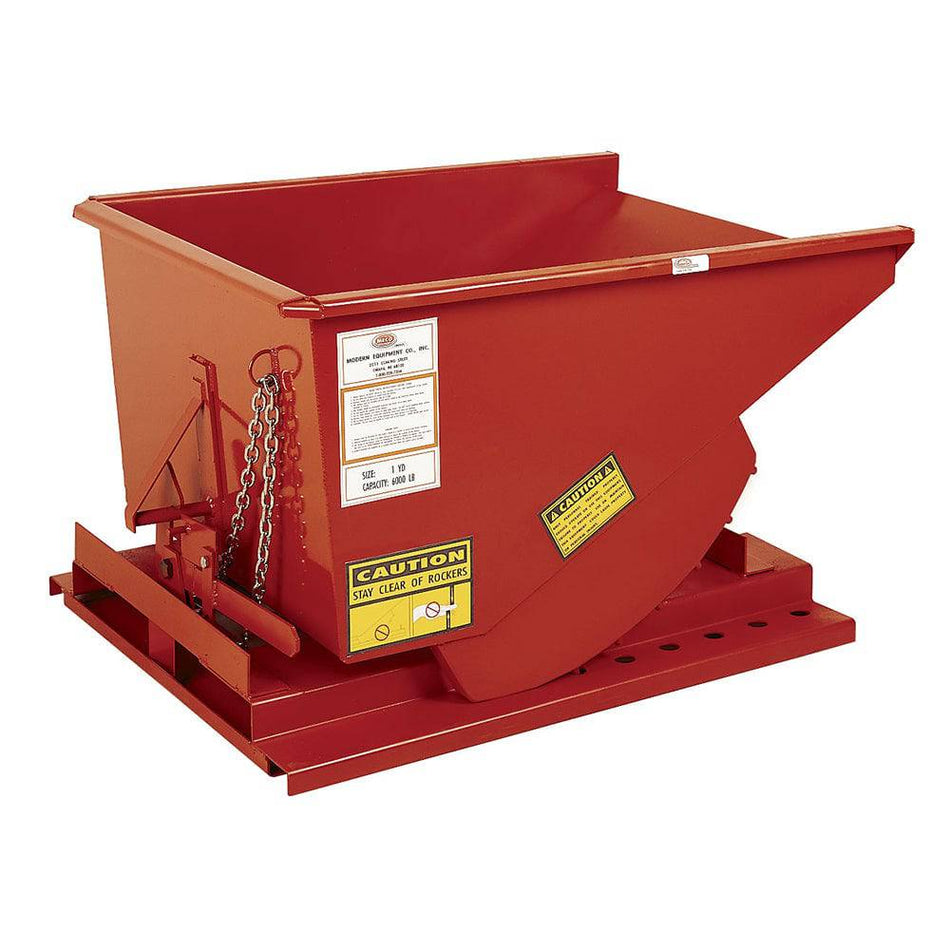
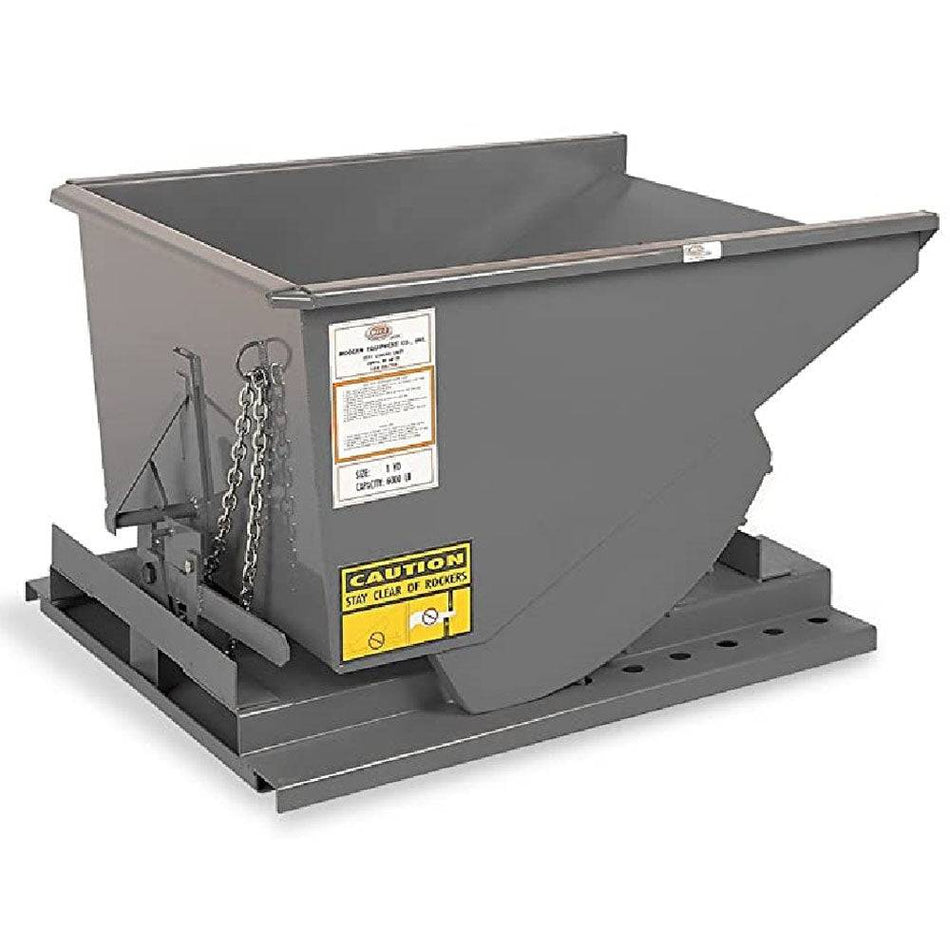
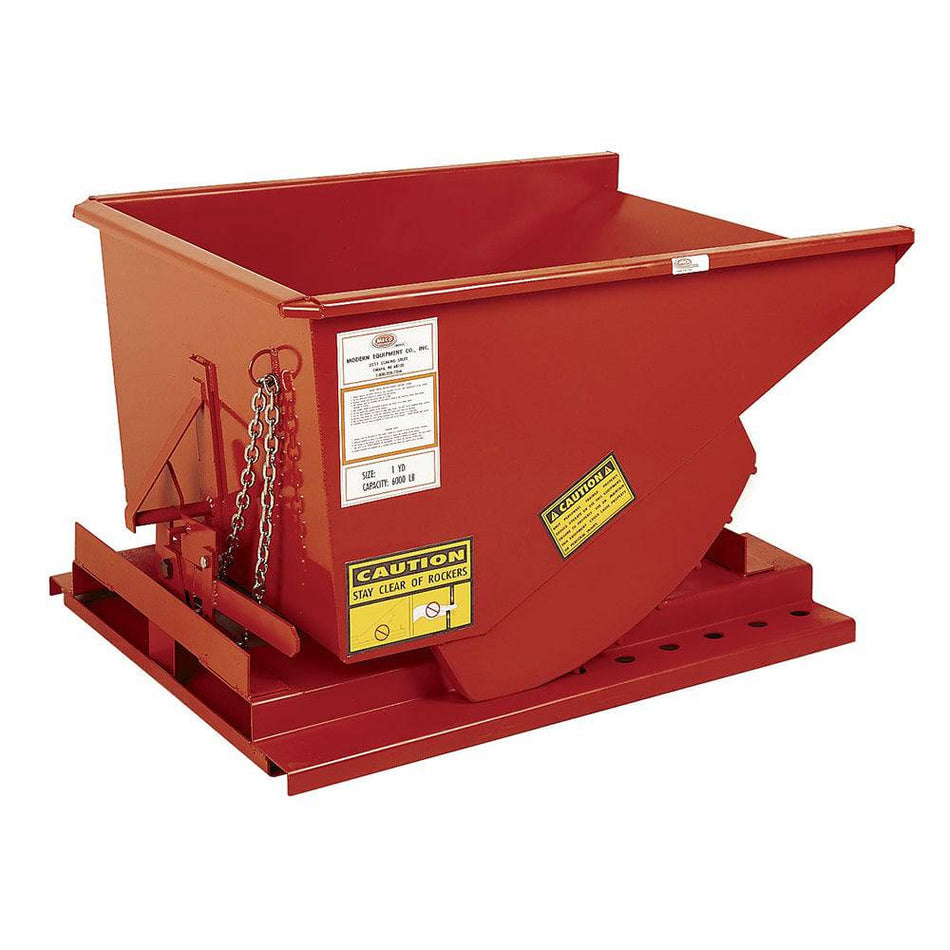
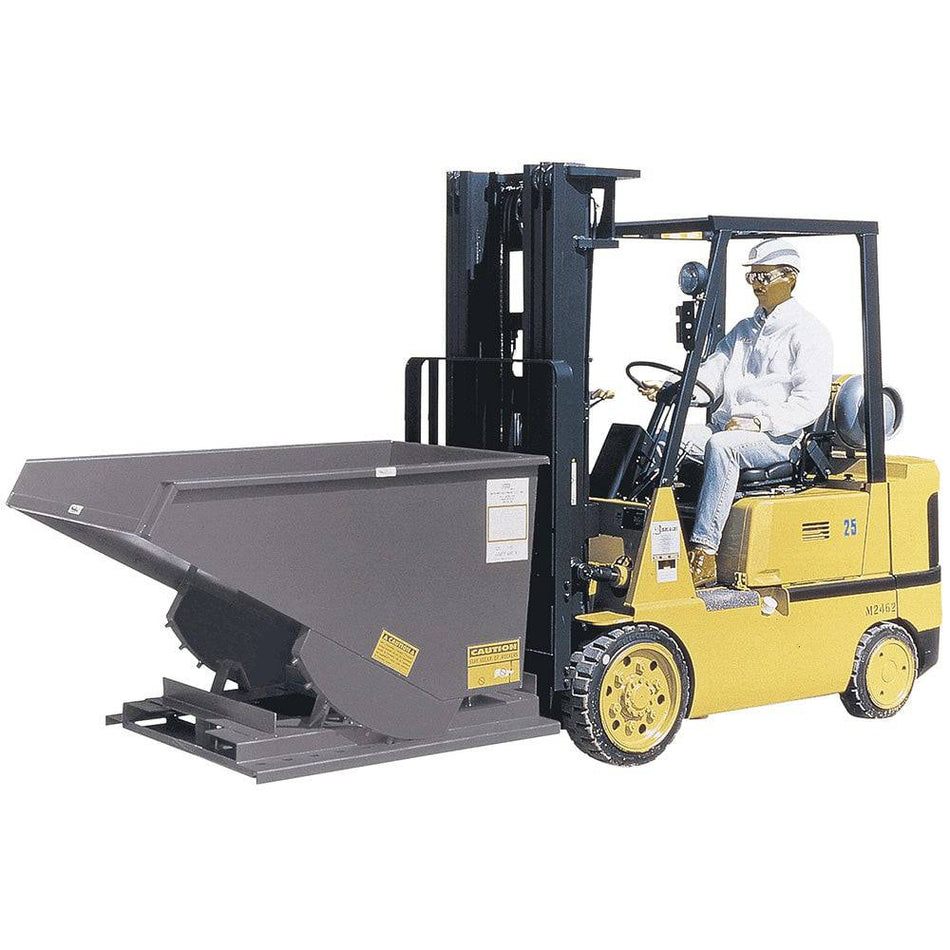
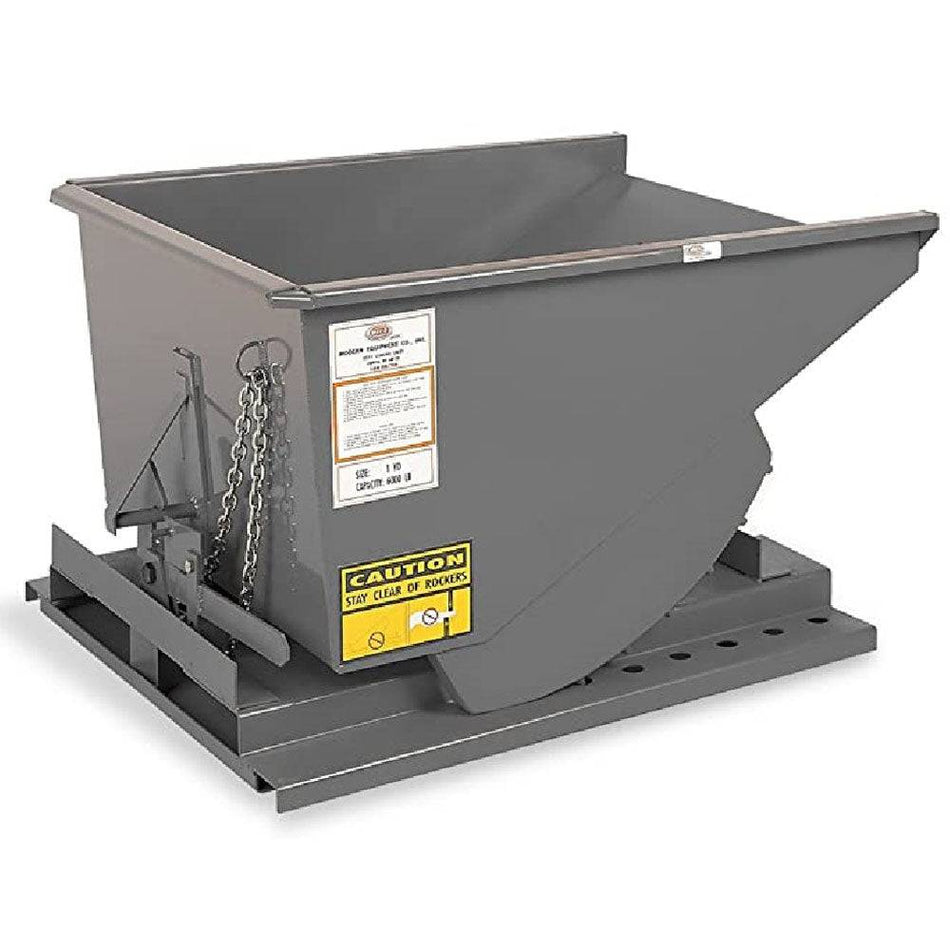
Self Dumping Hoppers are designed for collecting, transporting, and dumping bulk materials, scrap, waste, recyclables, and industrial debris in warehouses, manufacturing facilities, maintenance departments, and commercial operations. These material handling solutions help improve cleanup efficiency, reduce manual handling, and streamline bulk material movement. Choose hoppers and tilt trucks based on capacity, dumping method, material type, forklift compatibility, and work environment.
Compare Bulk Material Handling Options
| Type | Best For | Main Benefit |
|---|---|---|
| Self Dumping Hoppers | Forklift dumping applications | Fast bulk material disposal |
| Hoppers & Tilt Trucks | Waste and bulk transport | Large capacity handling |
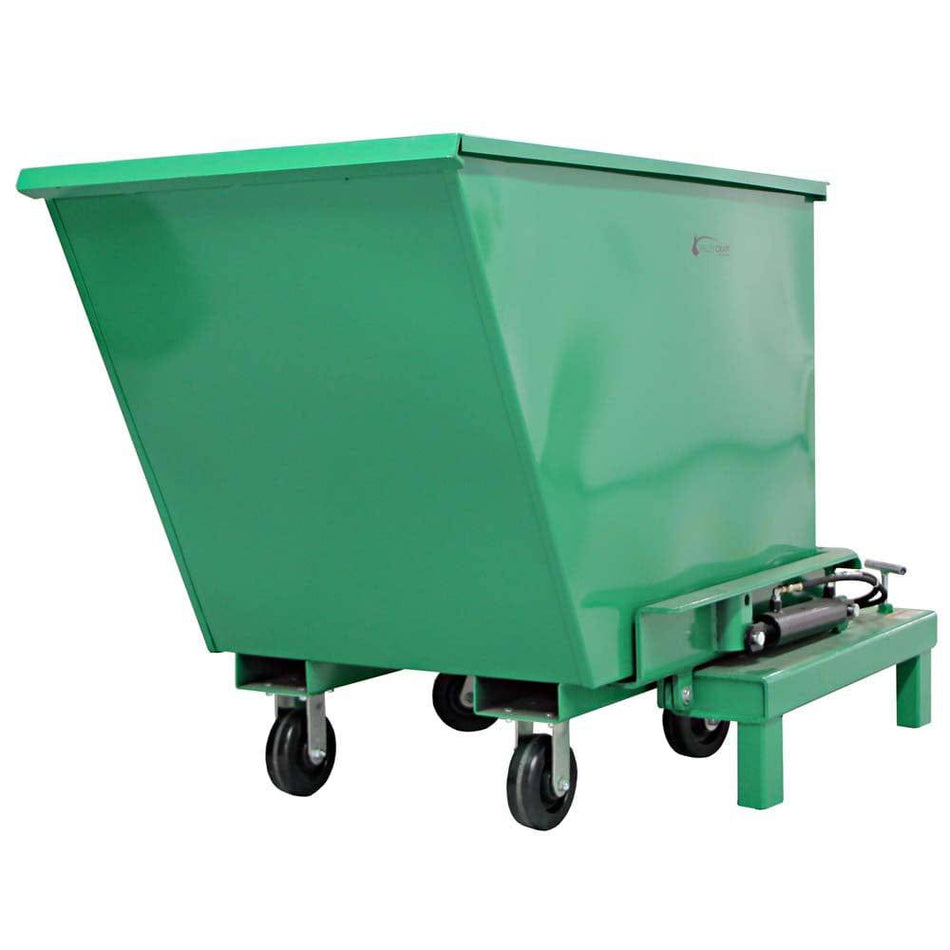
| Tilt Trucks | Mobile waste handling | Easy dumping and transport |
| Warehouse Supplies | General facility support | Complete warehouse solutions |
How to Choose Self Dumping Hoppers
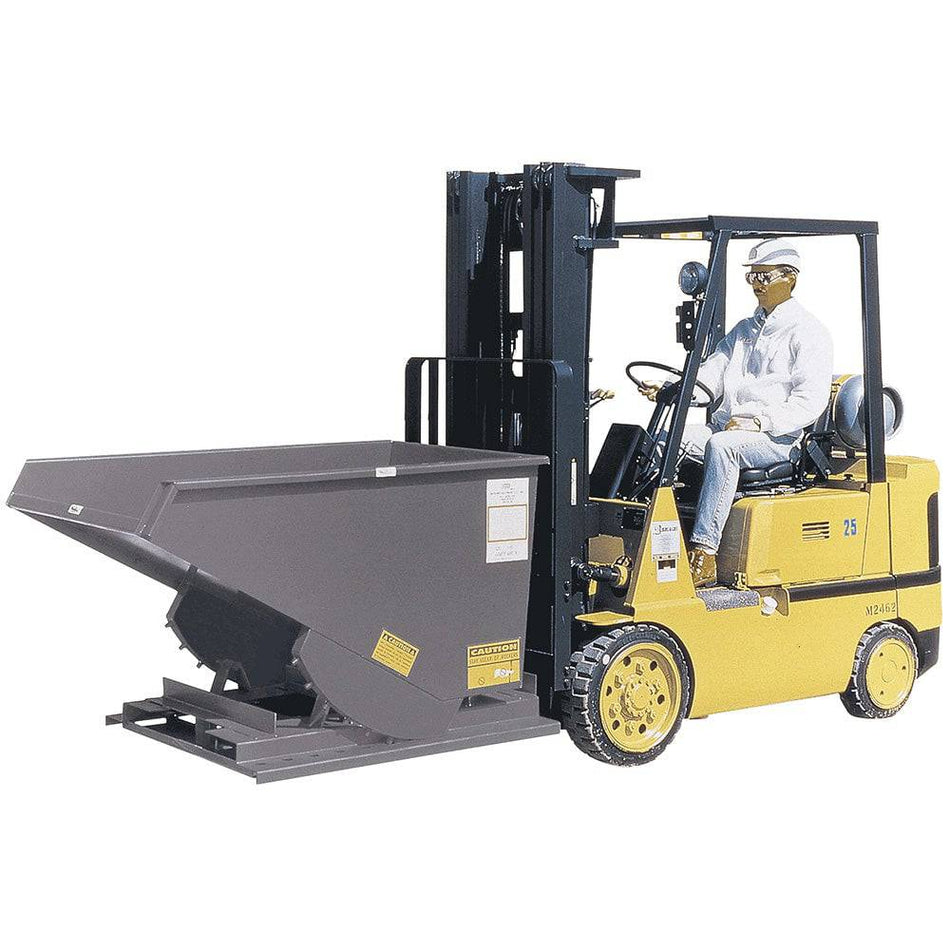
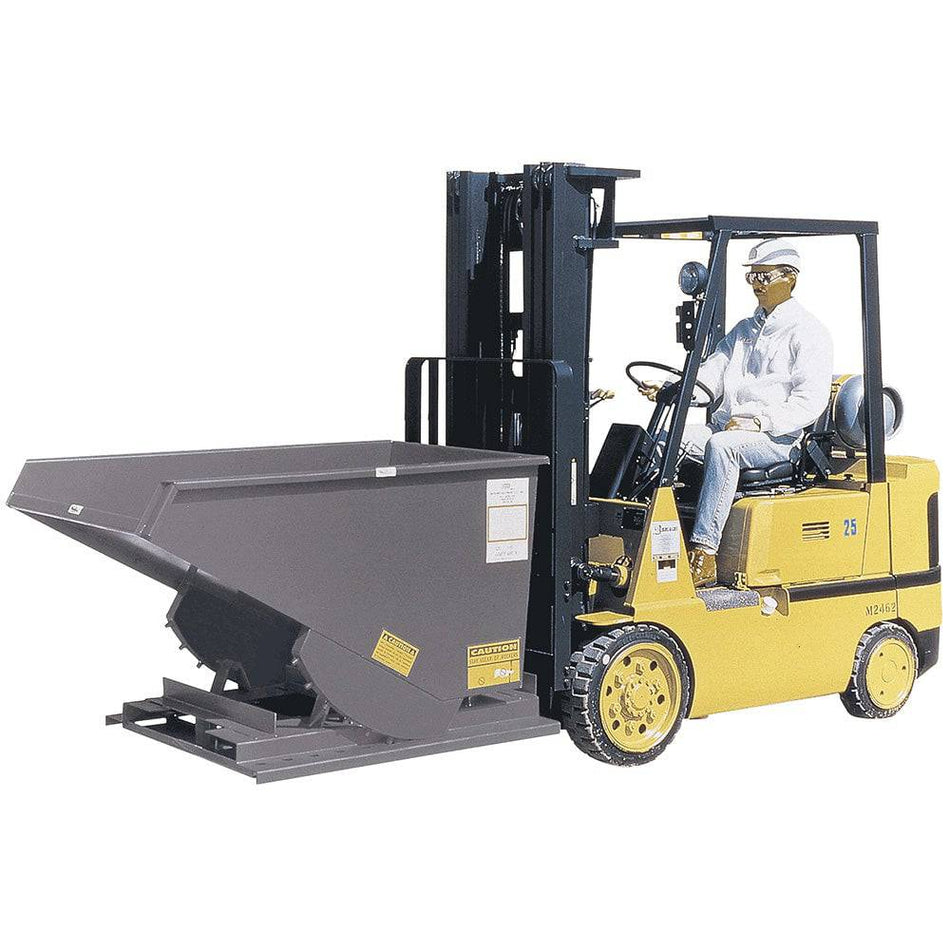
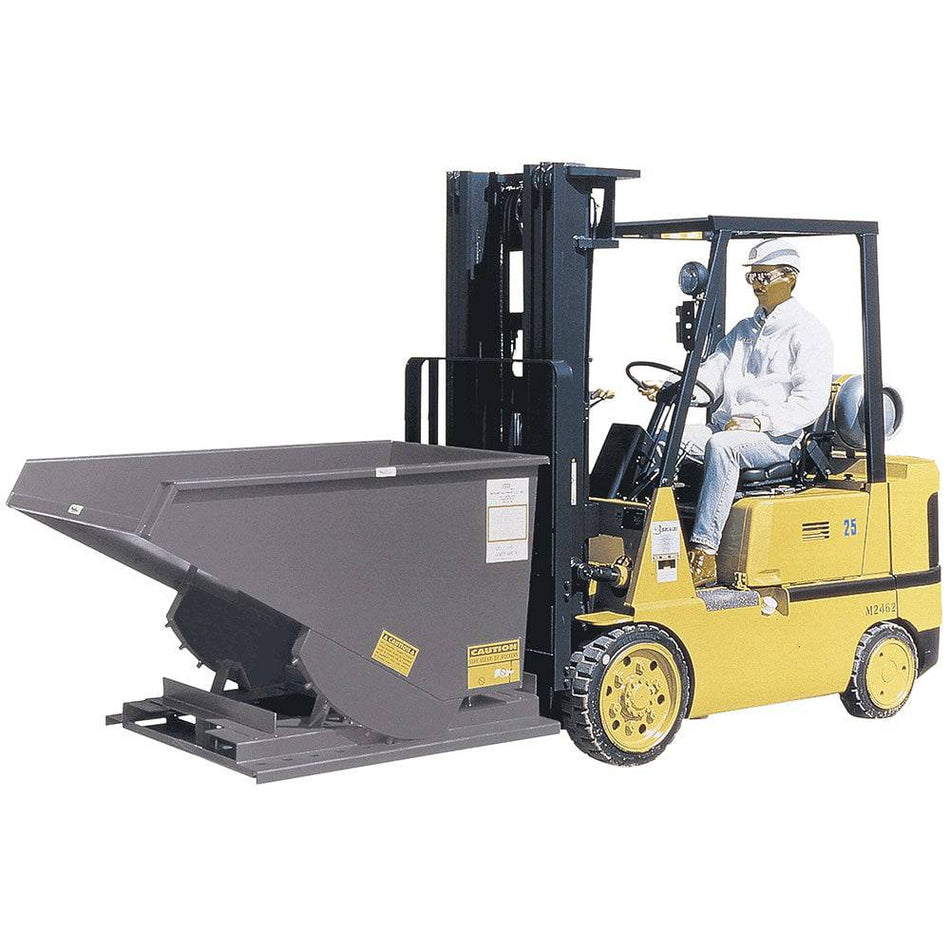
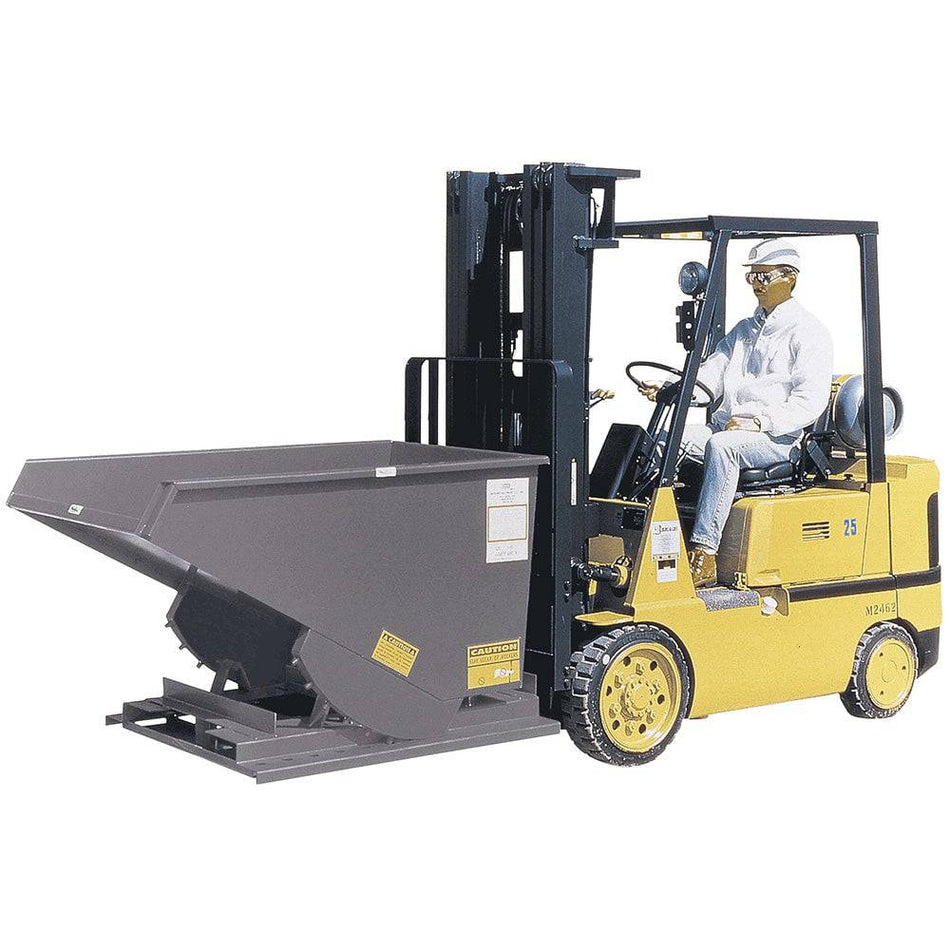
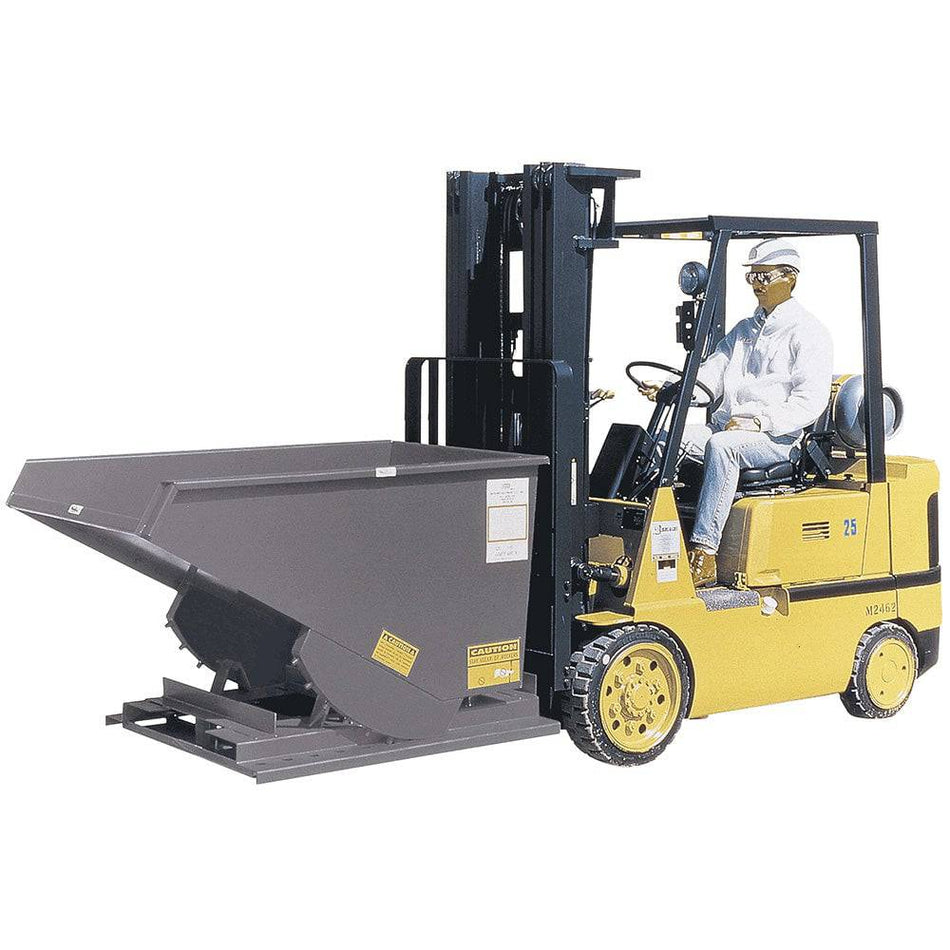
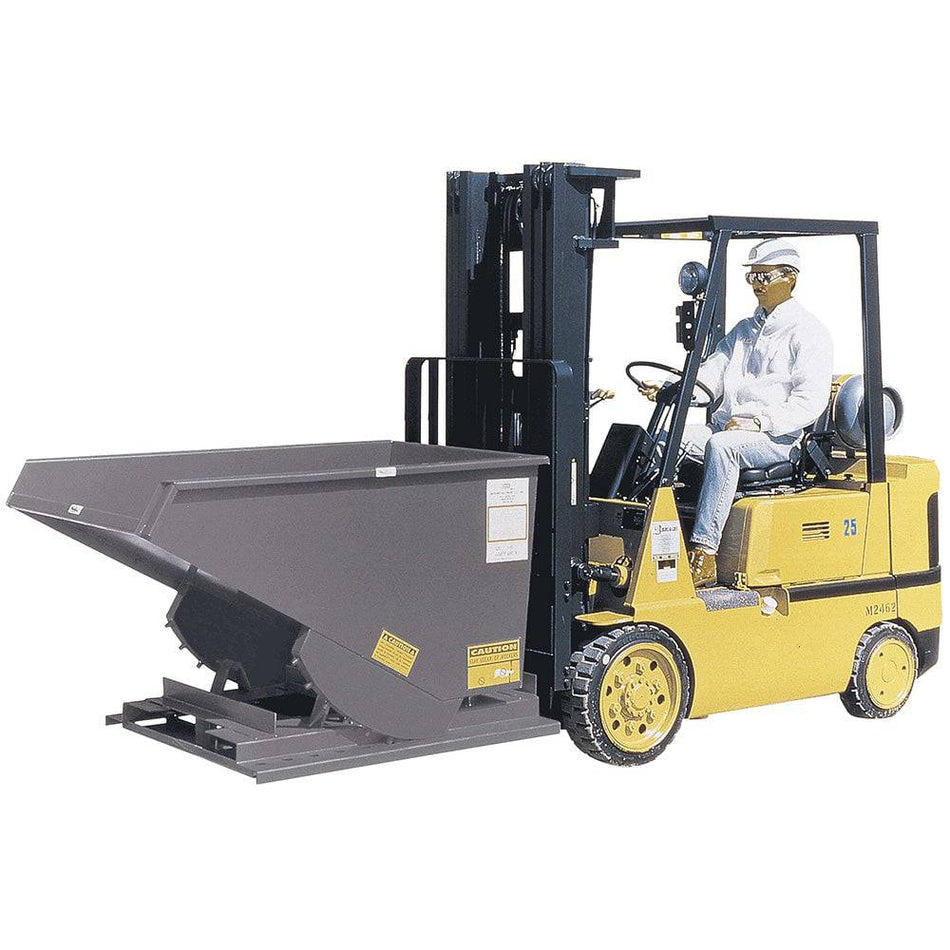
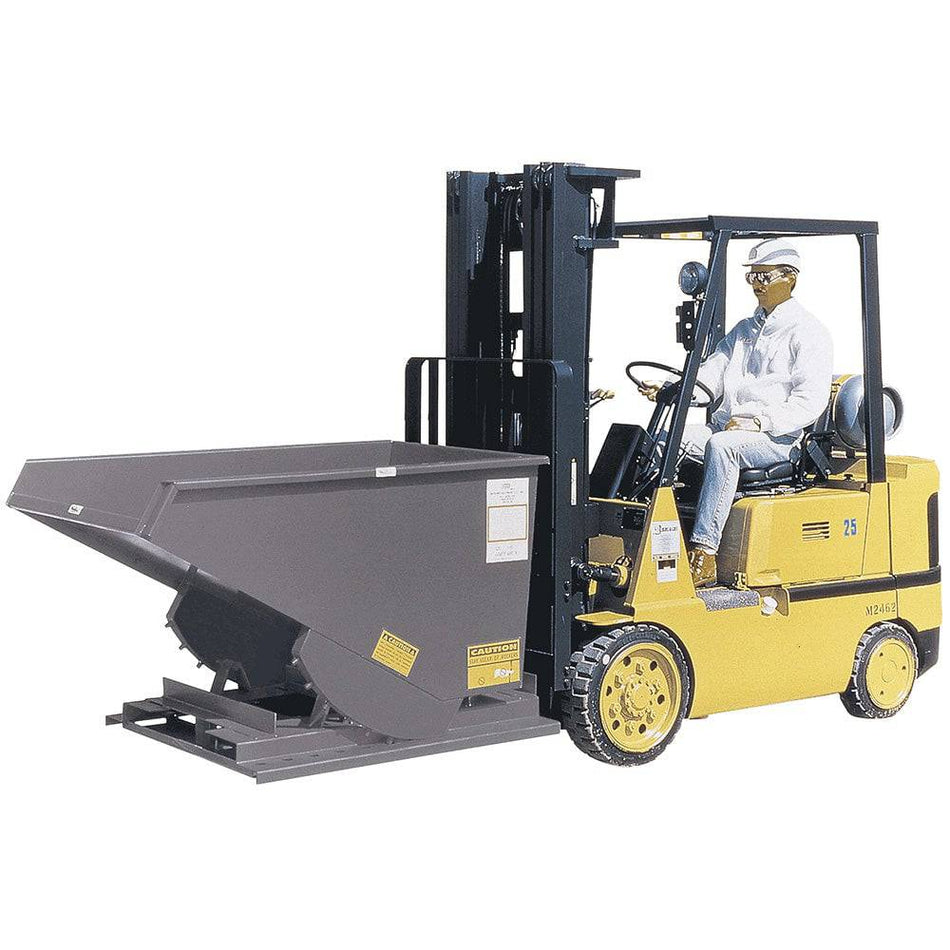
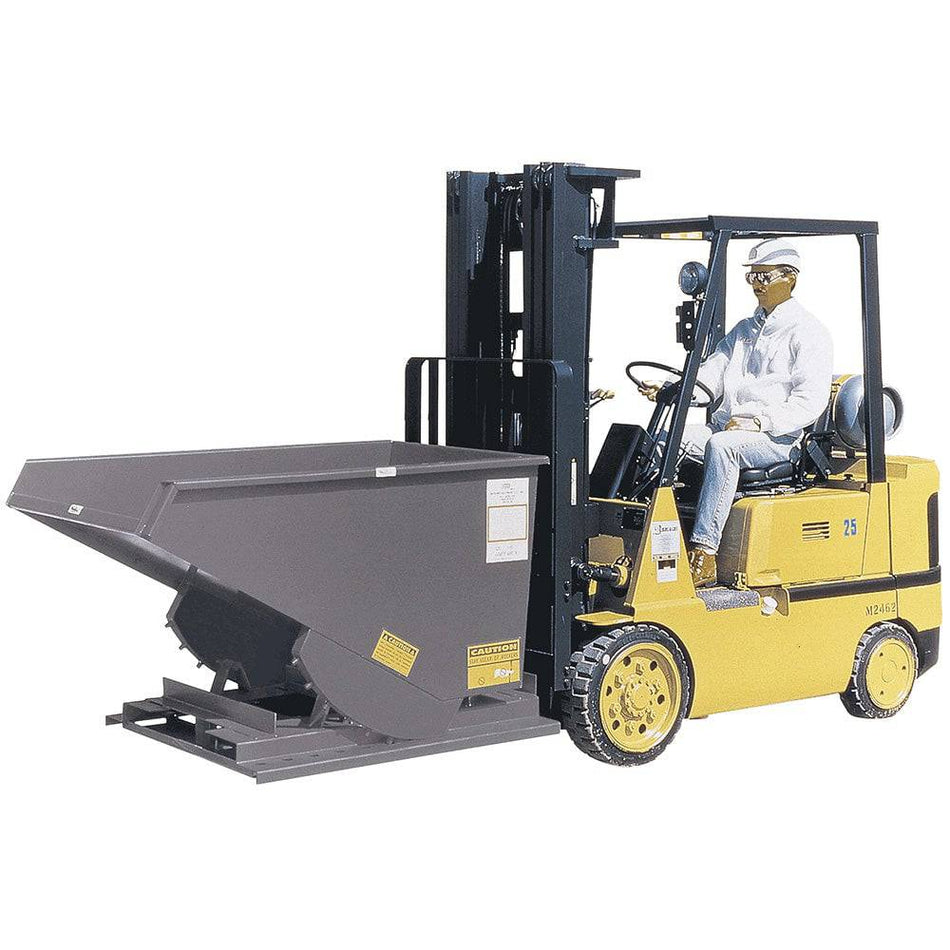
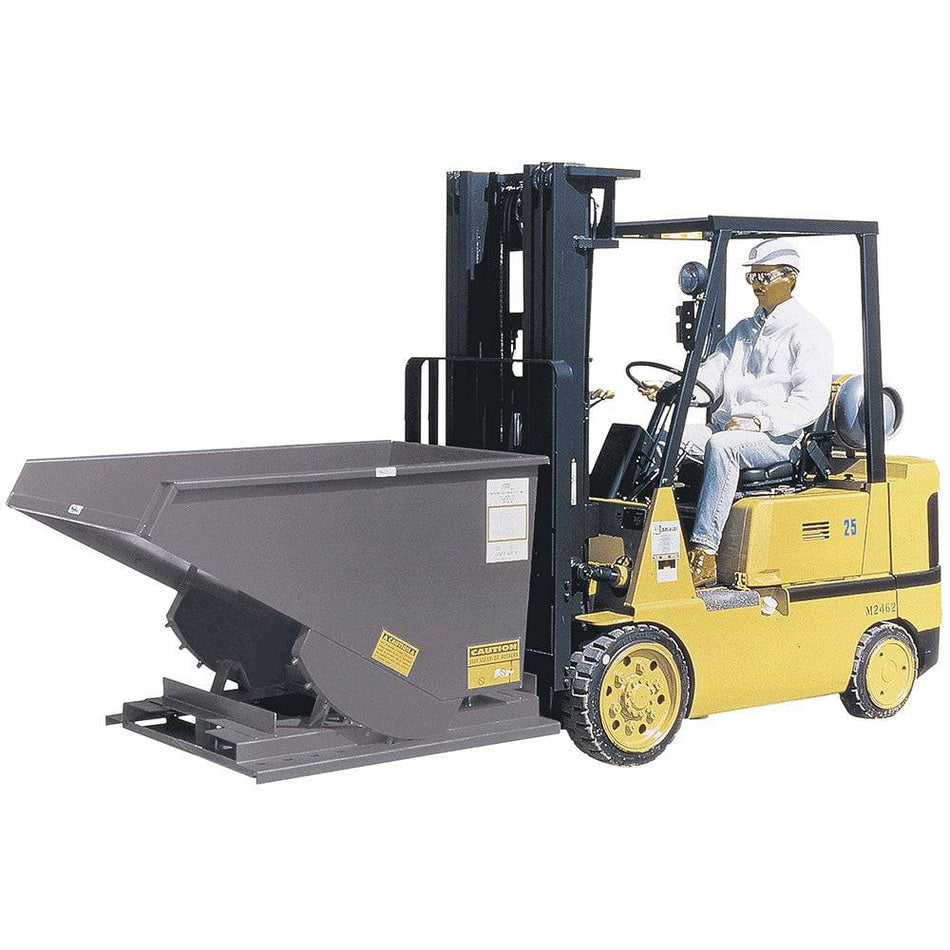
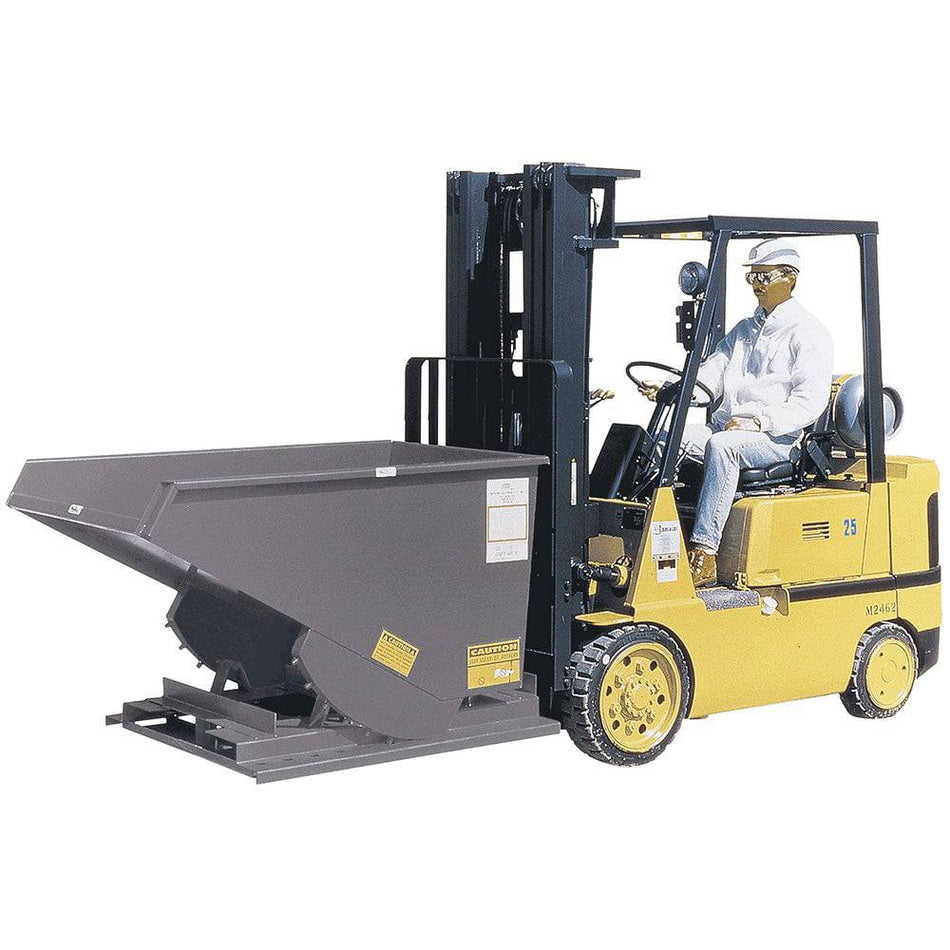
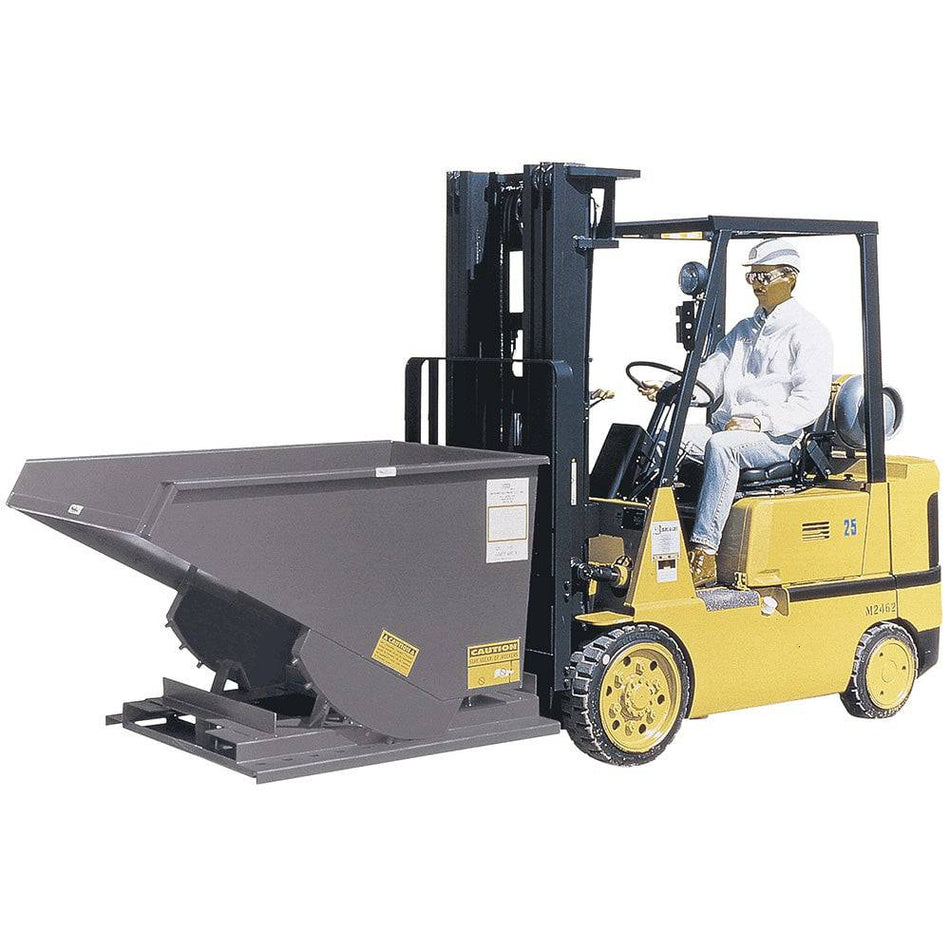
Choosing the right Self Dumping Hoppers depends on material volume, load weight, dumping requirements, forklift access, and facility layout. Self-dumping hoppers are ideal for forklift-assisted disposal, while tilt trucks are better for mobile waste and bulk material handling.
Consider the material being handled, including scrap, recyclables, trash, parts, or production waste. For demanding industrial environments, choose equipment with the right capacity, caster type, frame construction, and dumping mechanism to improve safety and productivity.
Common Self Dumping Hoppers Applications
Self Dumping Hoppers are commonly used in warehouses, manufacturing plants, recycling areas, maintenance departments, construction supply operations, and industrial facilities. They help improve waste handling, material movement, and facility cleanup.
Frequently Asked Questions
What are self dumping hoppers used for?
Self Dumping Hoppers are used for collecting, transporting, and dumping bulk materials, waste, scrap, and recyclables.
What is the difference between a hopper and a tilt truck?
Hoppers are often moved and dumped with forklifts, while tilt trucks are mobile carts designed for rolling transport and manual dumping.
How do I choose the right capacity?
Choose capacity based on material weight, volume, dumping method, and how often the equipment will be used.
Are self-dumping hoppers forklift compatible?
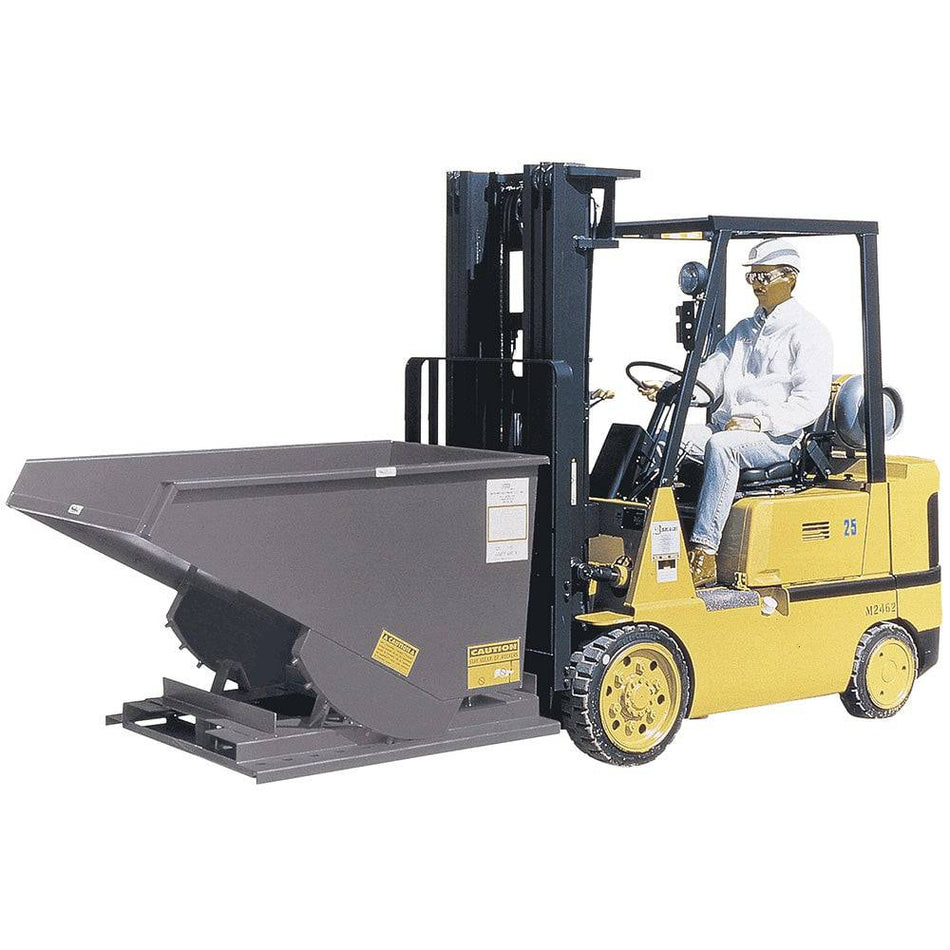
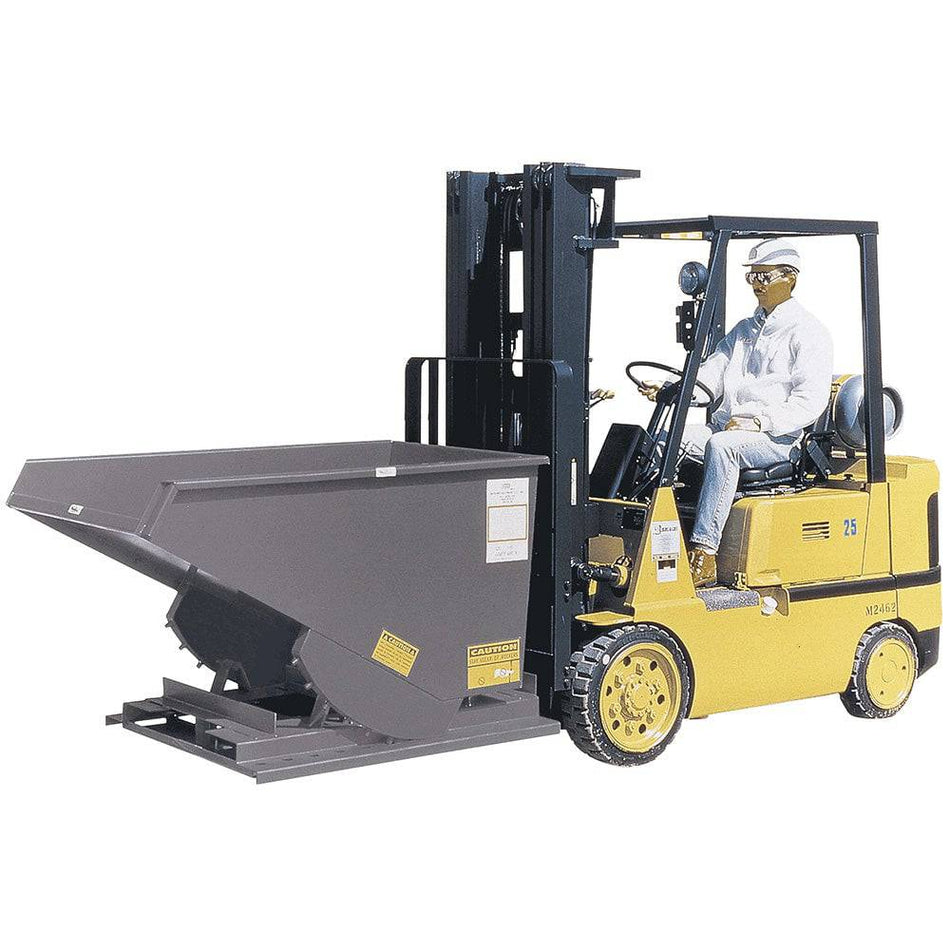
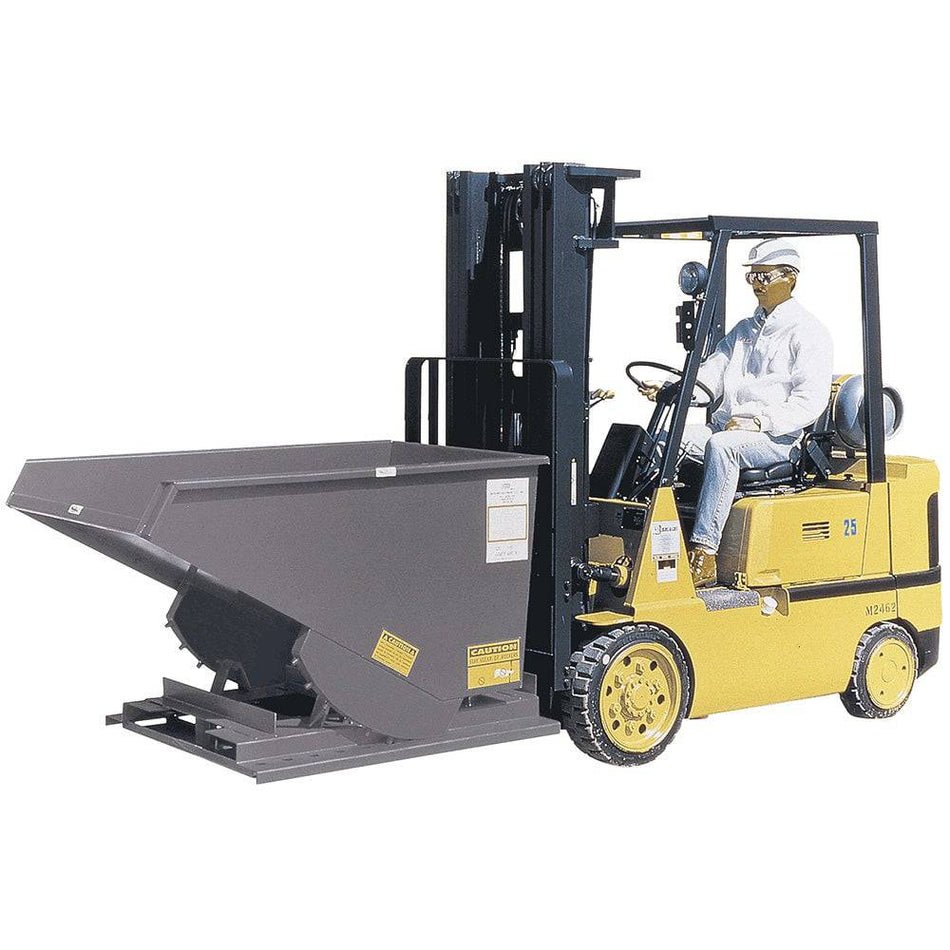
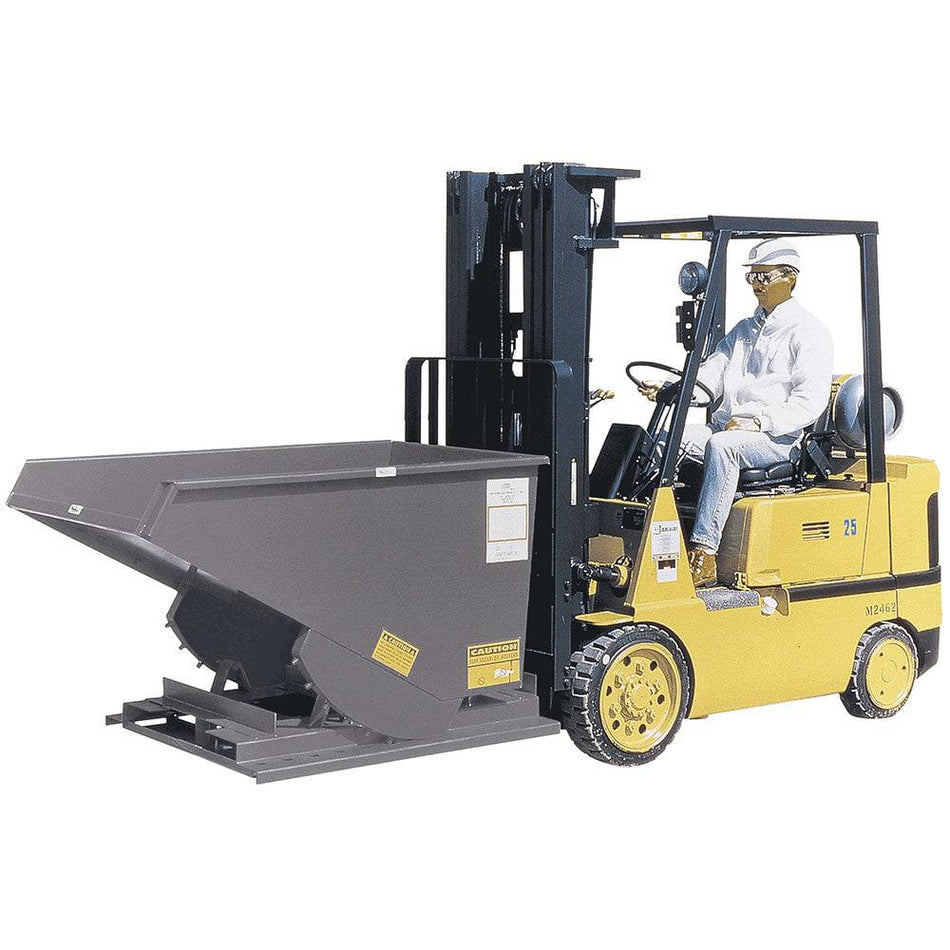
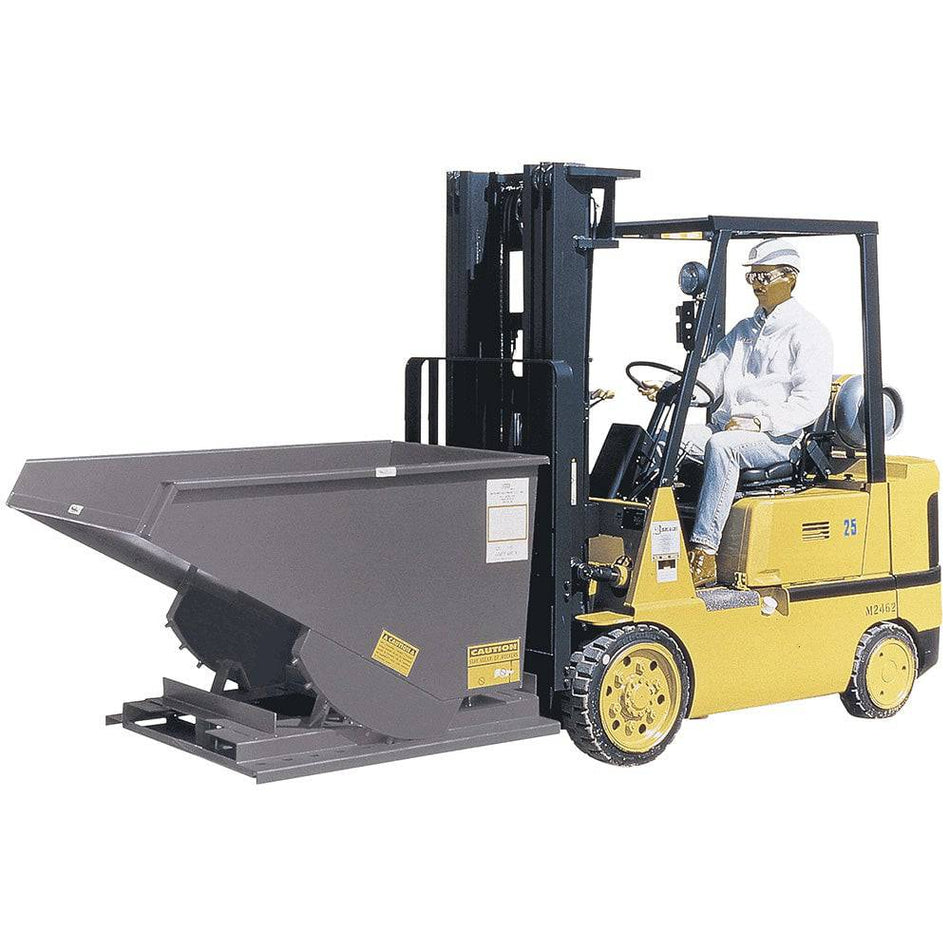
Many self-dumping hoppers are designed for forklift handling and controlled dumping.
Where are hoppers and tilt trucks commonly used?
They are commonly used in warehouses, manufacturing facilities, recycling areas, maintenance departments, and industrial plants.
[{"text":"Streamlining Operations: The Comprehensive Guide to Self-Dumping Hoppers","url":"https://www.source4industries.com/blogs/articles/streamlining-operations-the-comprehensive-guide-to-self-dumping-hoppers"},{"text":"Meco-Omaha Self-Dumping Hoppers: A Game-Changer for Construction Sites","url":"https://www.source4industries.com/blogs/articles/self-dumping-hoppers-a-game-changer-for-construction-sites"}]