


6 Products
How to Choose Walk Ramps
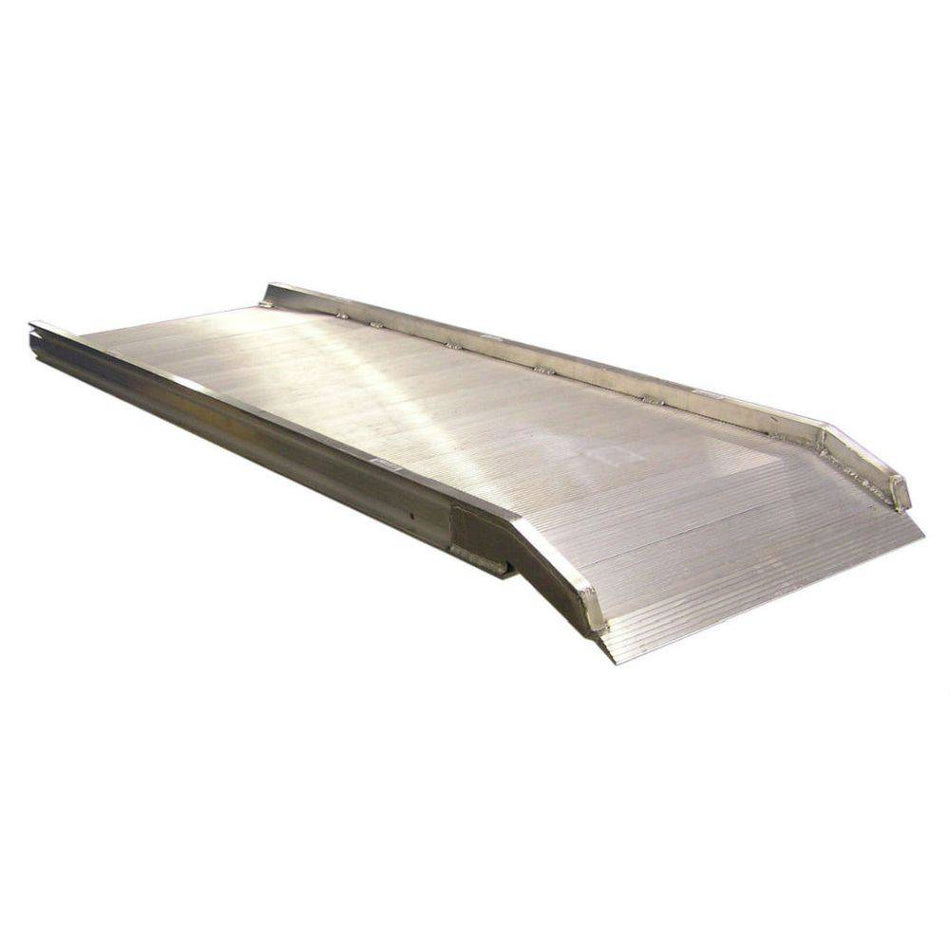
Choosing the right walk ramp depends on load capacity, ramp length, width, elevation height, traffic type, and operating environment. Walk ramps are commonly used to improve pedestrian safety and simplify movement of carts, dollies, pallet jacks, and equipment between different floor elevations.
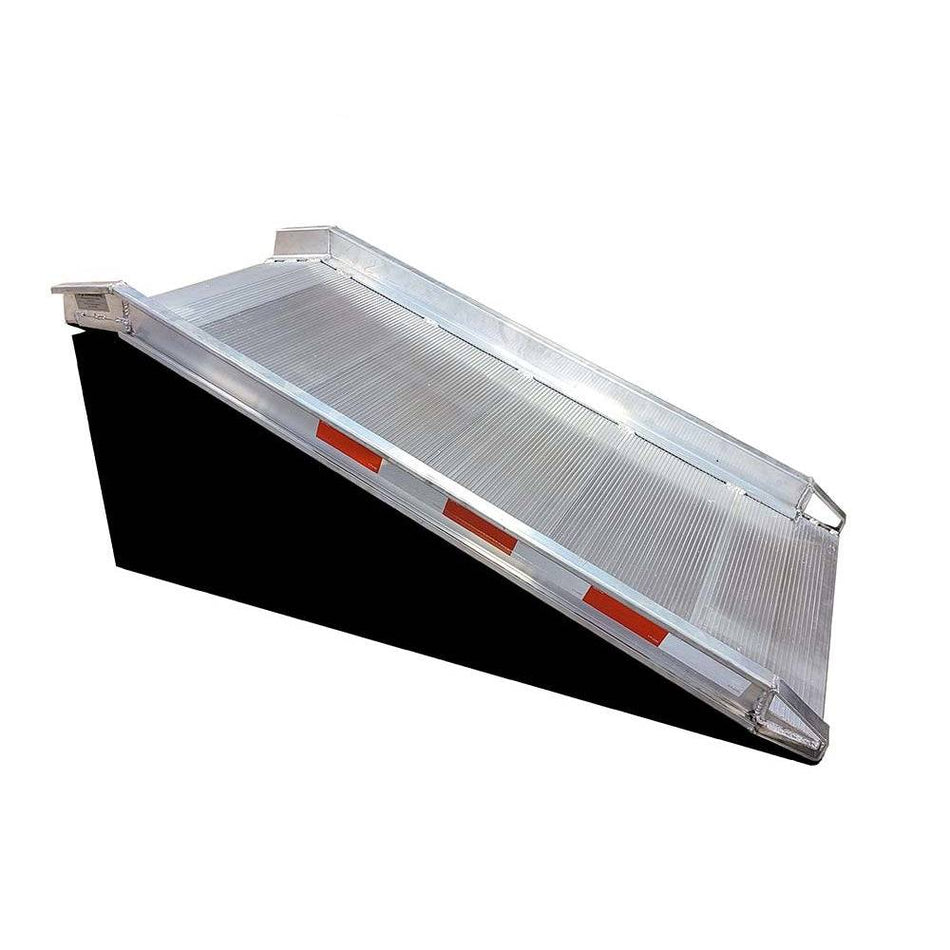
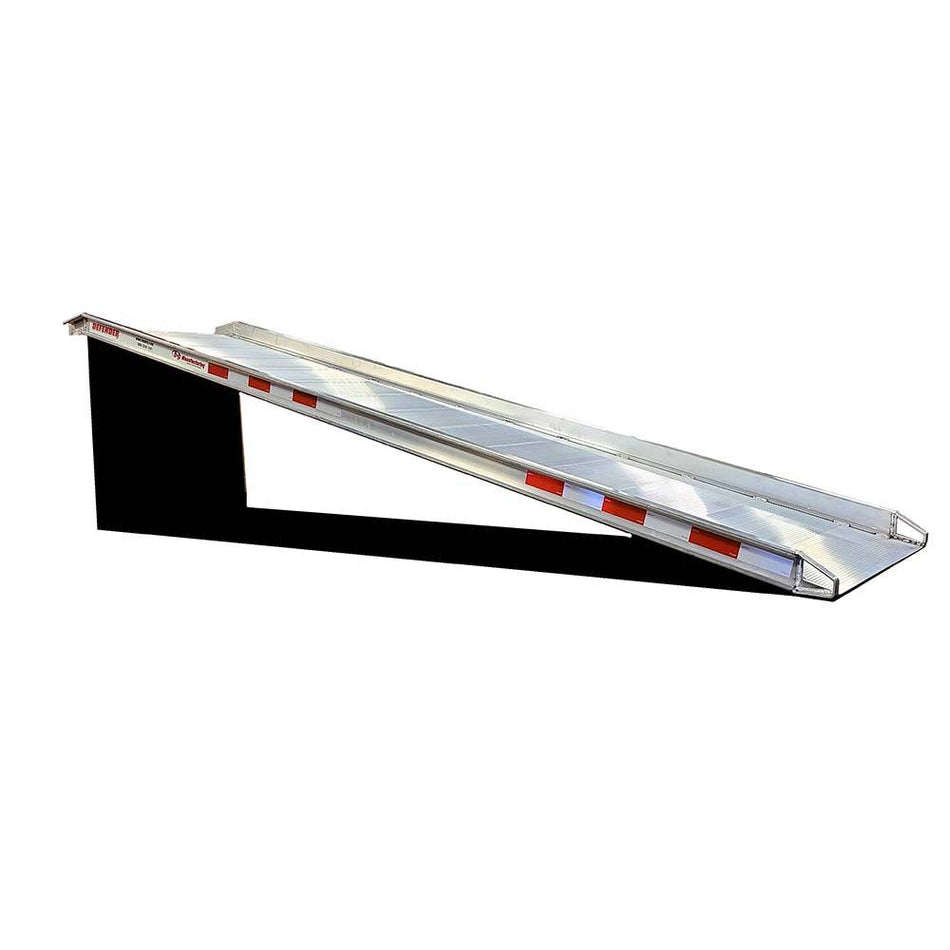
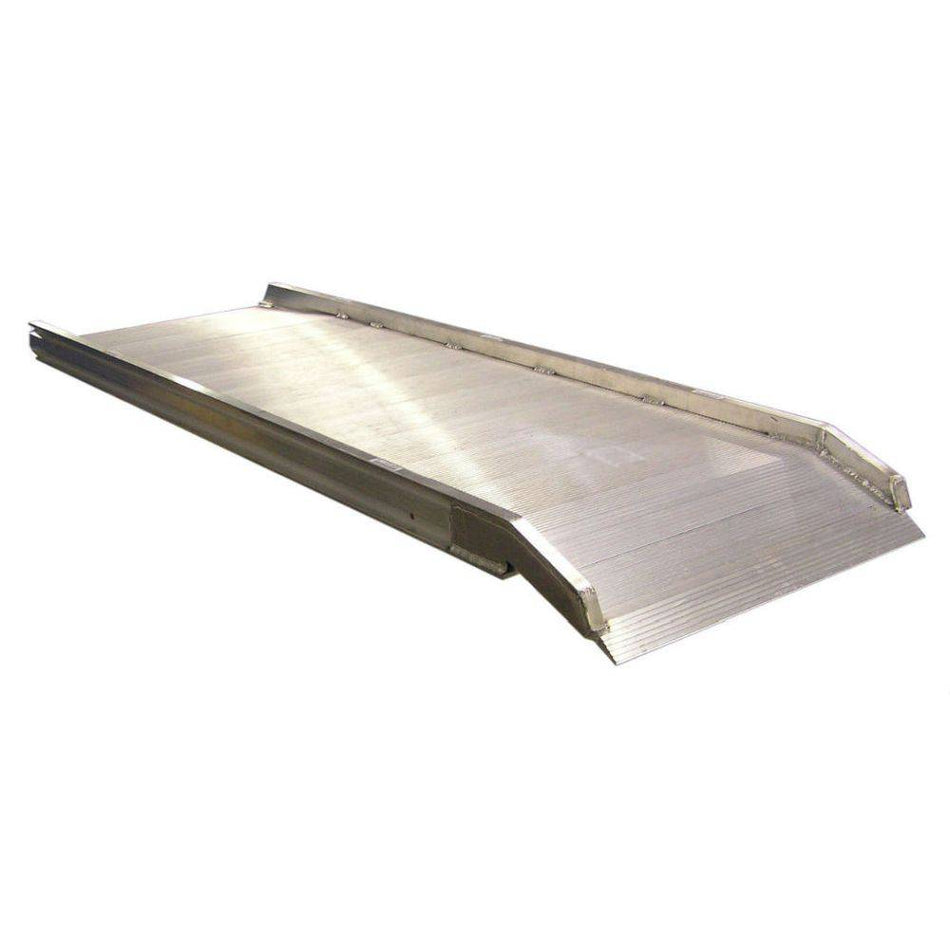
B&P Manufacturing walk ramps are built with durable materials and safety-focused features such as raised side edges and anti-slip surfaces to help improve stability and user safety. These ramps are available in multiple sizes and capacities to support warehouse operations, loading docks, retail stockrooms, shipping facilities, and industrial environments where smooth and reliable access is important.
Common Walk Ramp Applications
Walk ramps are commonly used in warehouses, manufacturing facilities, shipping departments, loading docks, retail operations, commercial buildings, and industrial facilities. They help improve accessibility, reduce manual lifting, increase workplace safety, and streamline material handling operations.
Frequently Asked Questions
What are walk ramps used for?
Walk ramps are used to provide safe access for pedestrians, carts, dollies, pallet jacks, and equipment between different elevations.
Can pallet jacks be used on walk ramps?
Yes. Many walk ramps are designed to support pallet jacks, carts, dollies, and light material handling equipment within their rated capacity limits.
What safety features do walk ramps include?
Many walk ramps include anti-slip surfaces, raised side curbs, durable traction materials, and reinforced construction to improve safety and stability.
How do I choose the right walk ramp capacity?
The ramp capacity should exceed the combined weight of the users, carts, equipment, and loads expected during operation.
Where are walk ramps commonly used?
Walk ramps are commonly used in warehouses, loading docks, retail stockrooms, manufacturing facilities, shipping departments, and industrial work environments.