


18 Products
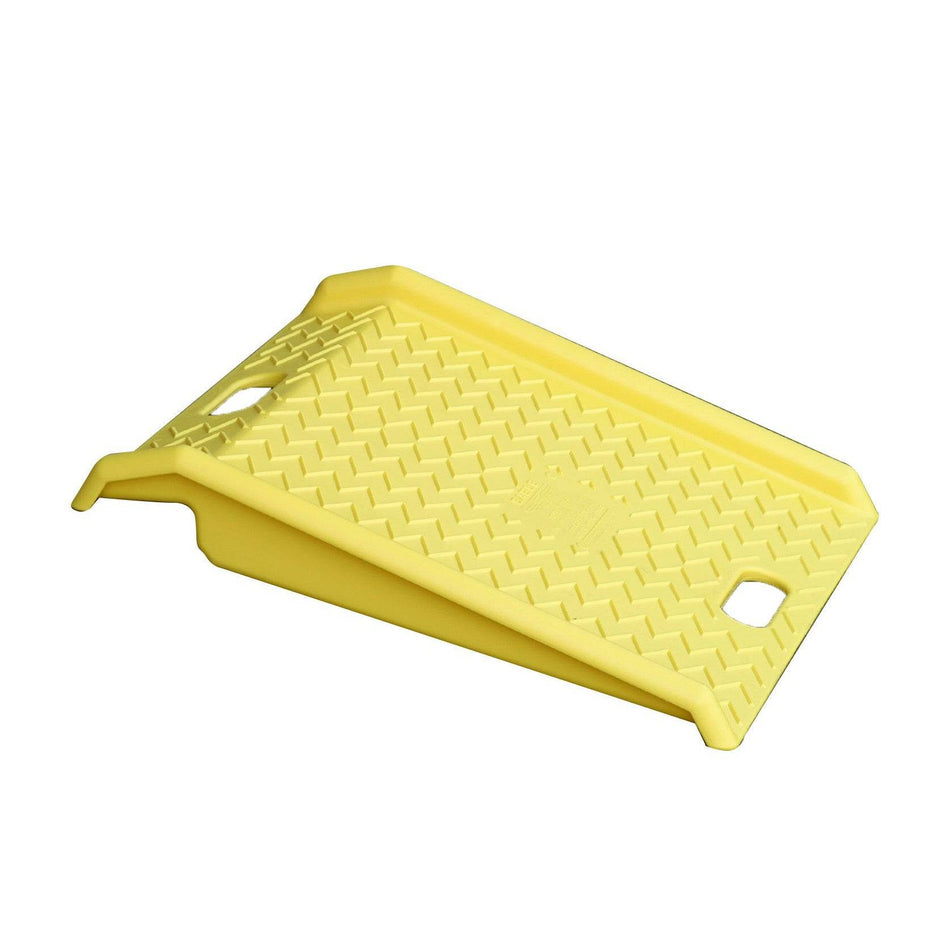
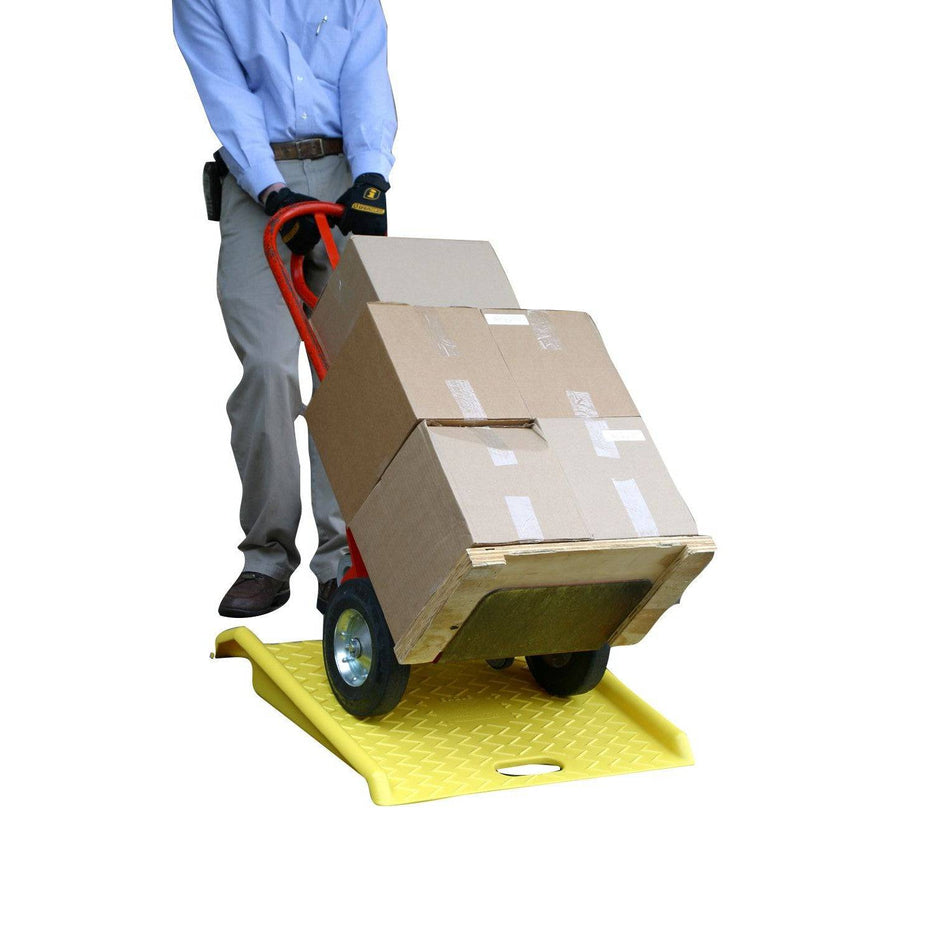
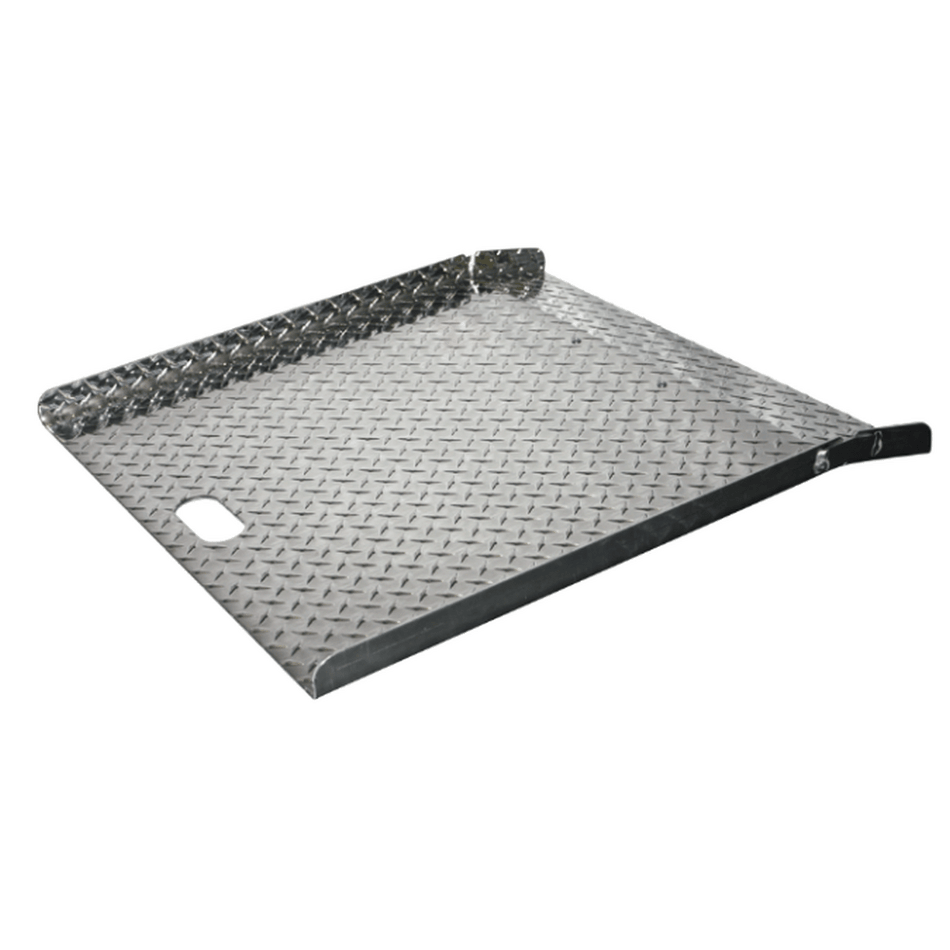
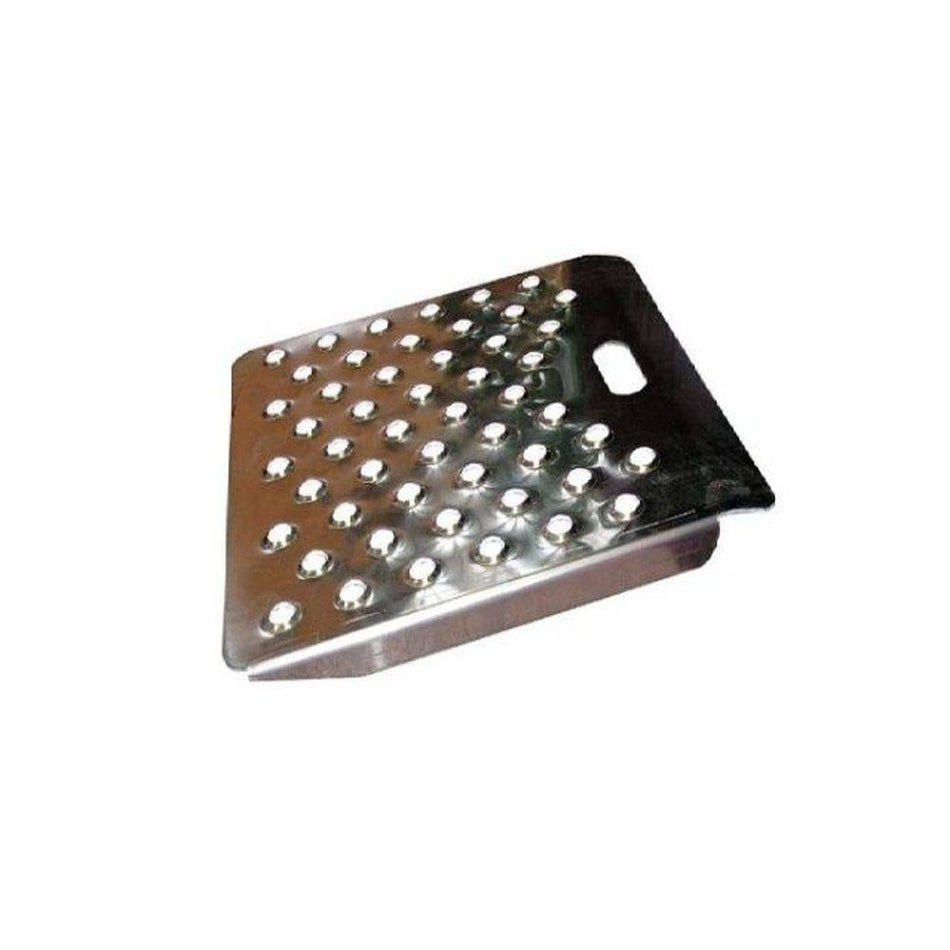
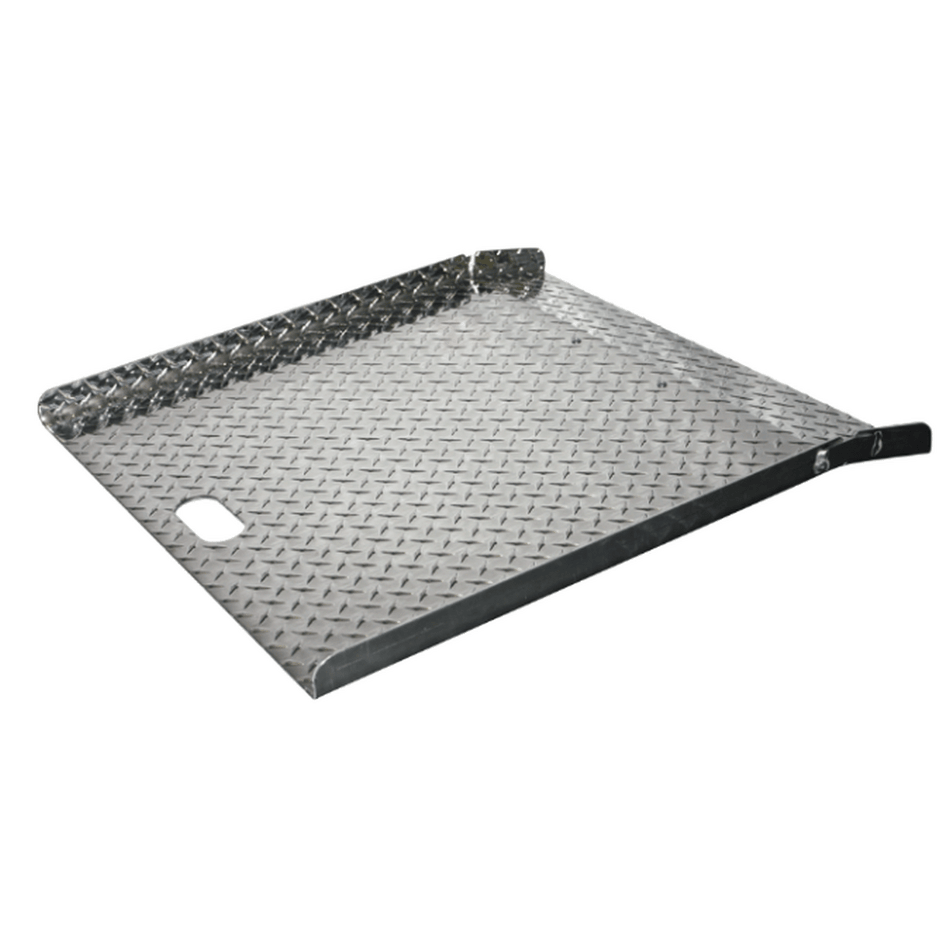
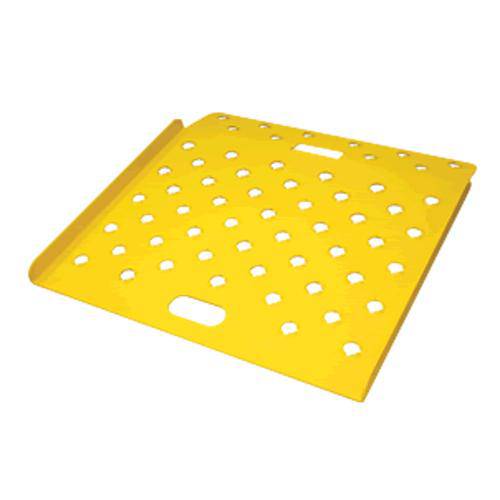
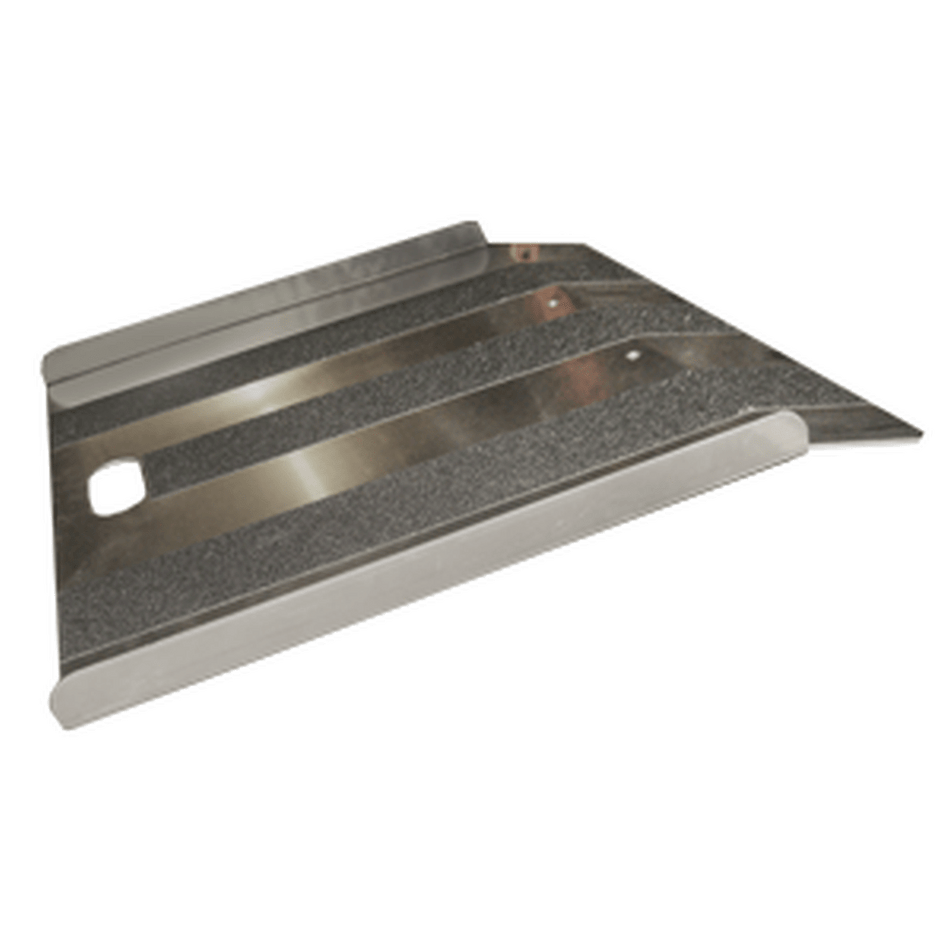
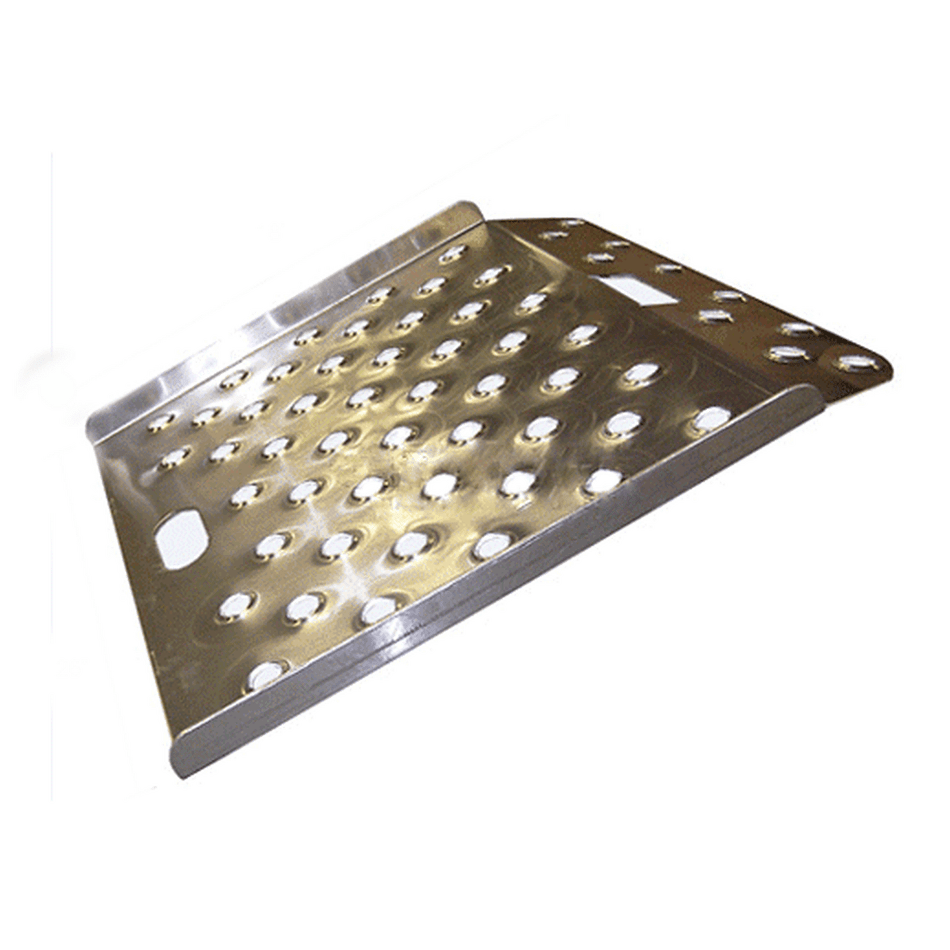
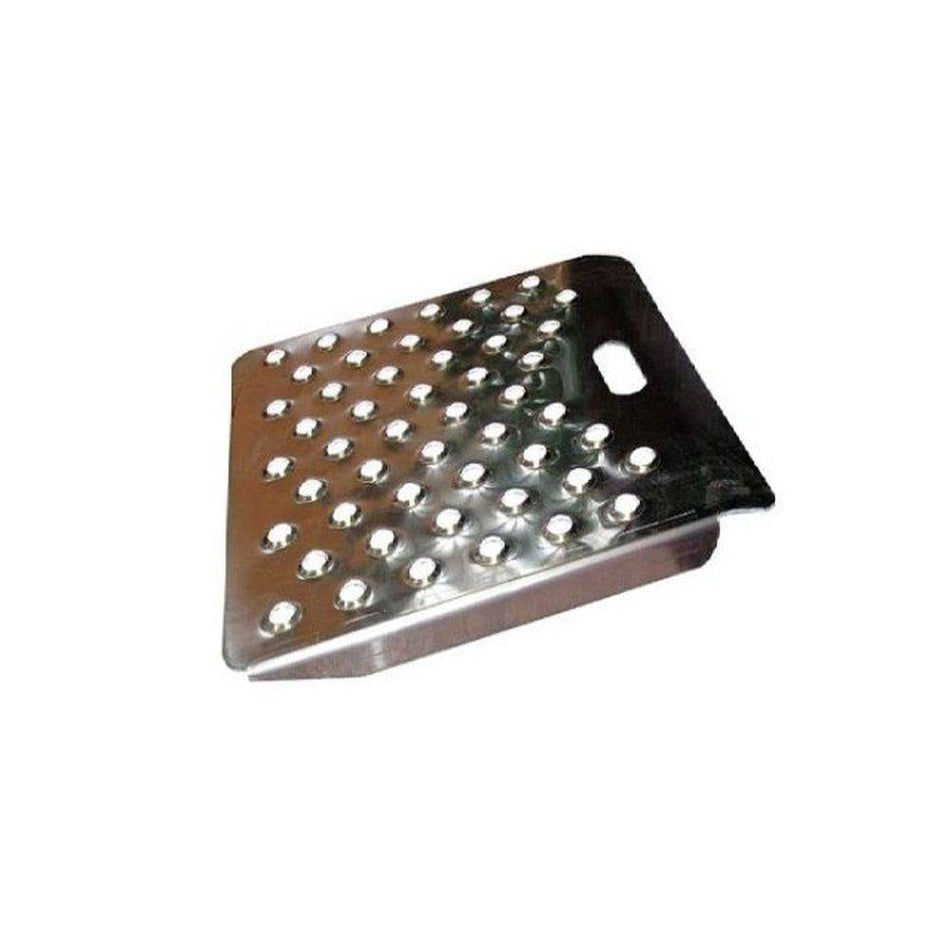
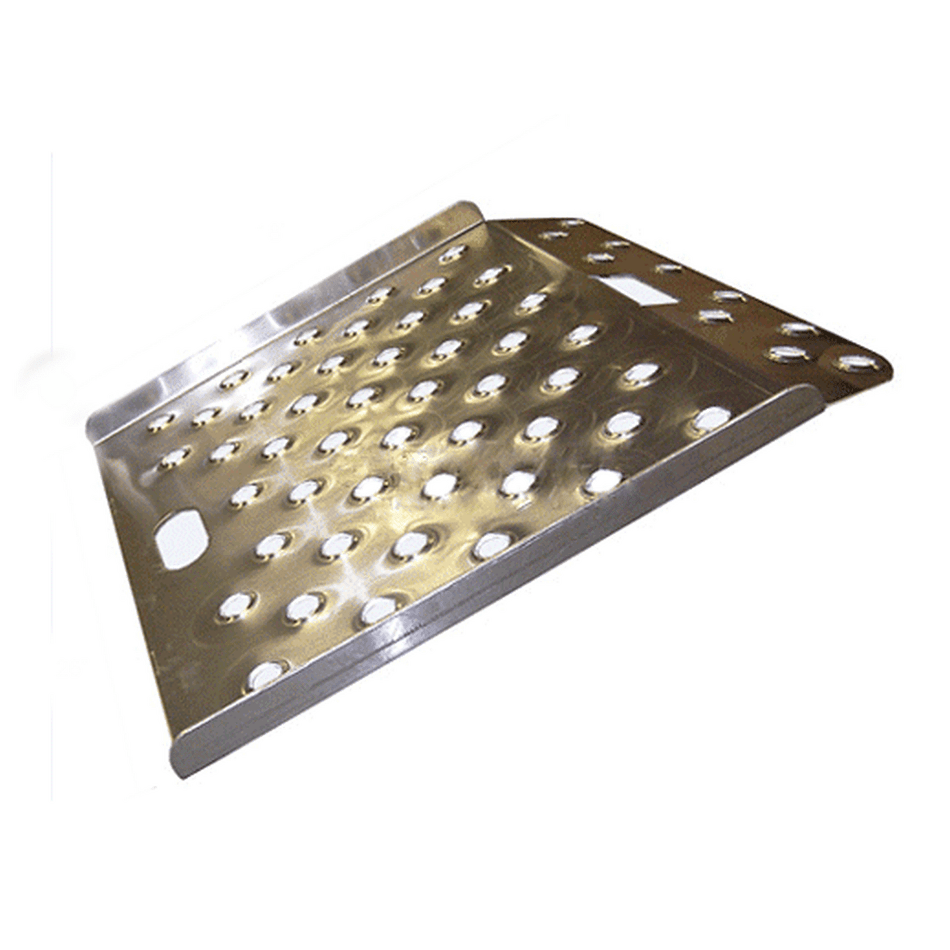
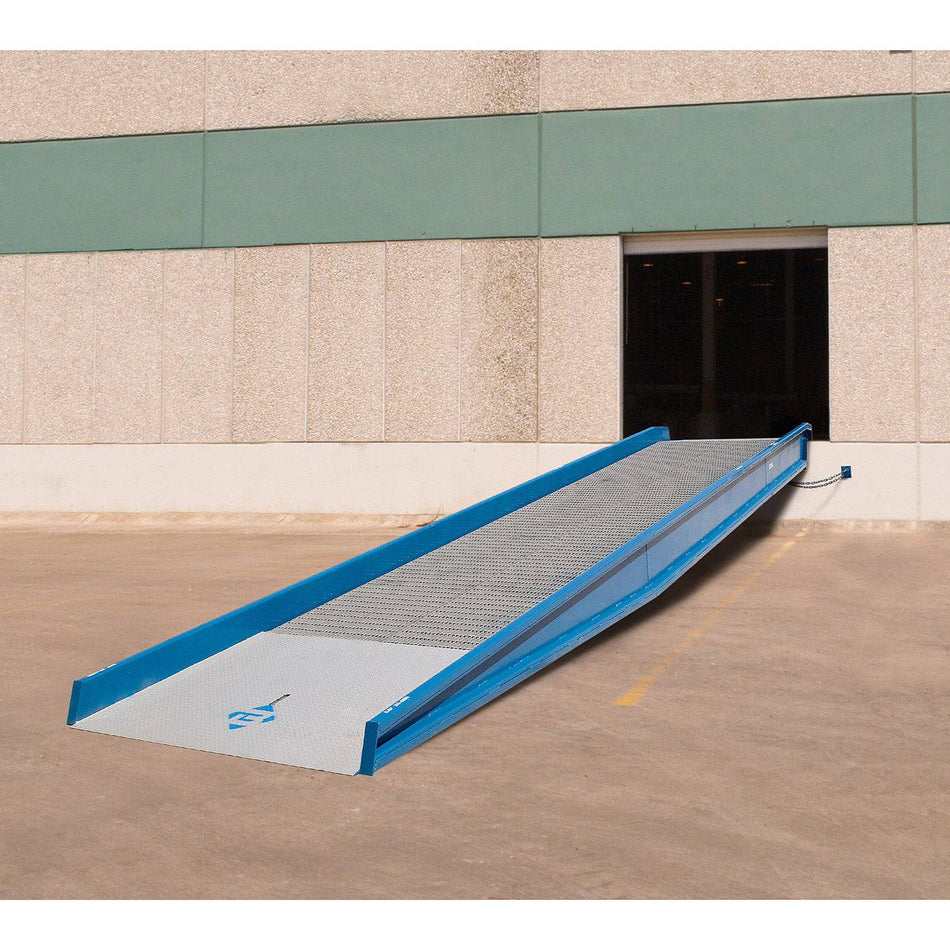
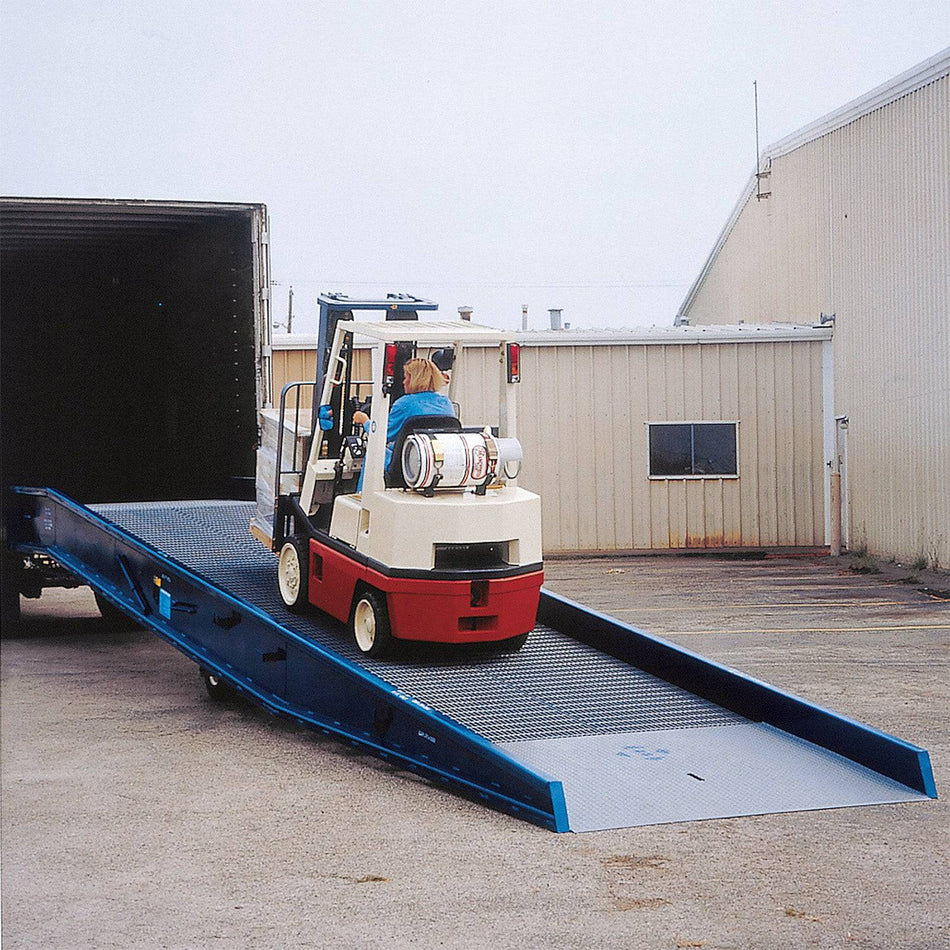
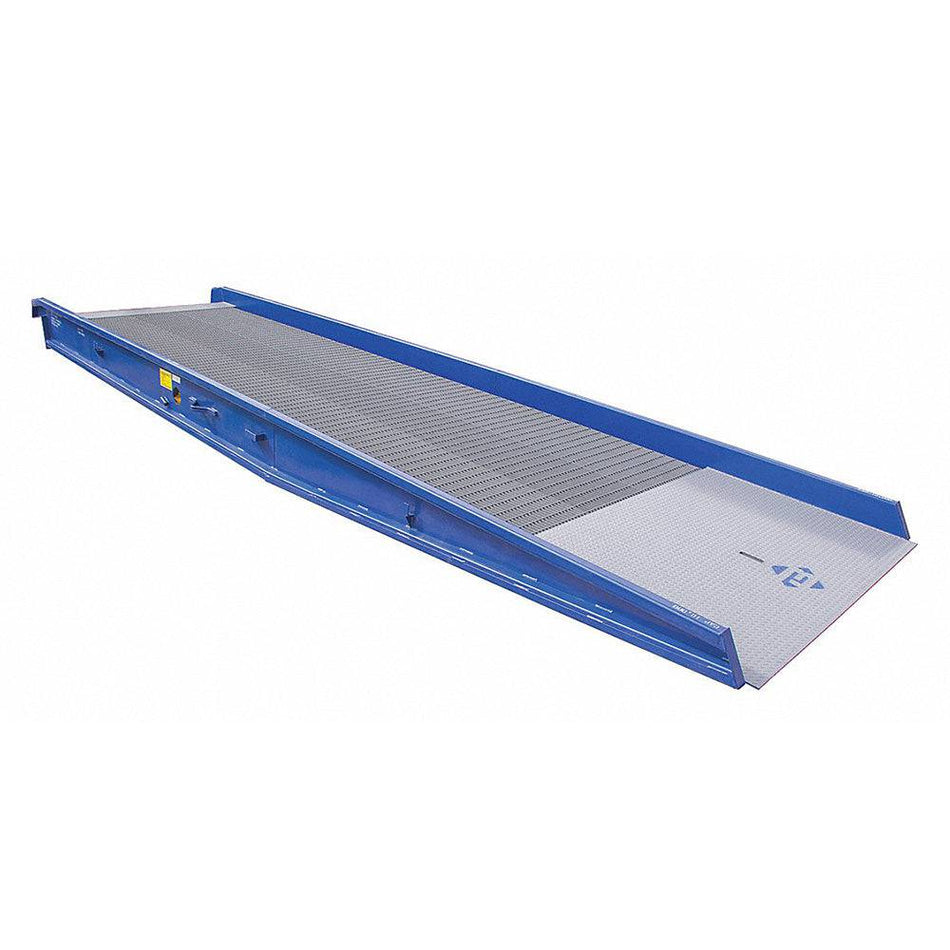
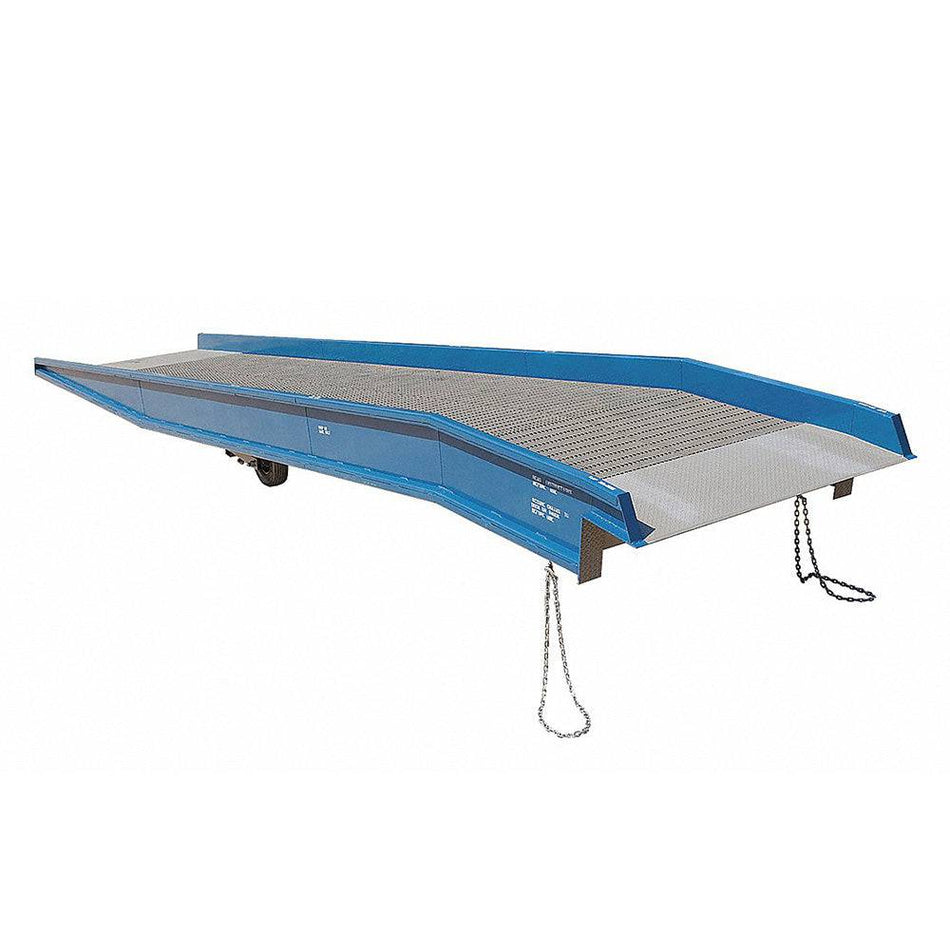
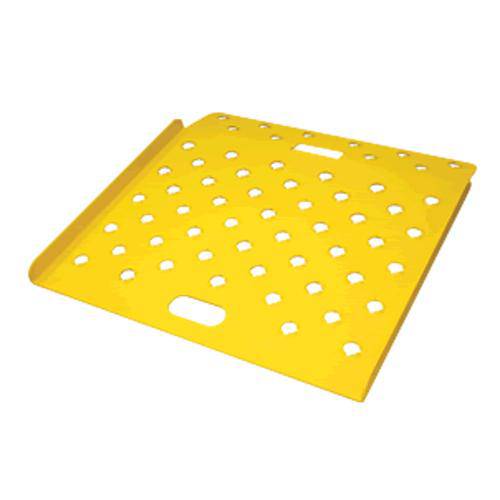
How to Choose Curb Ramps
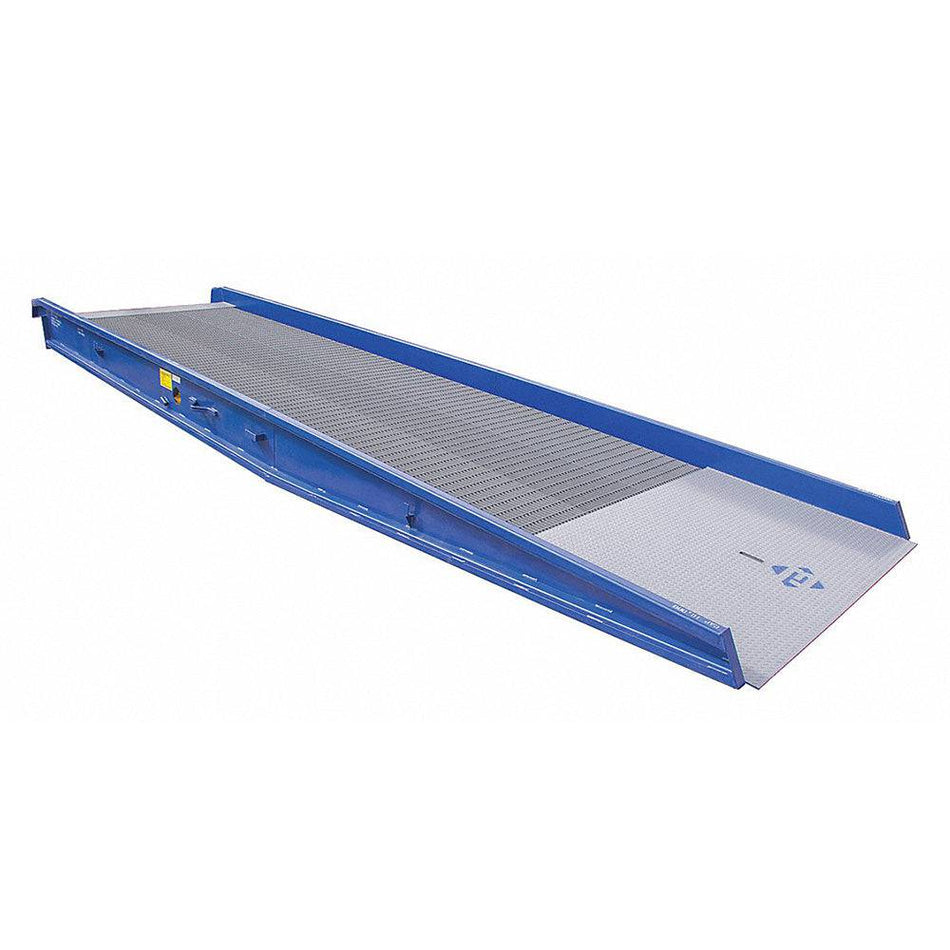
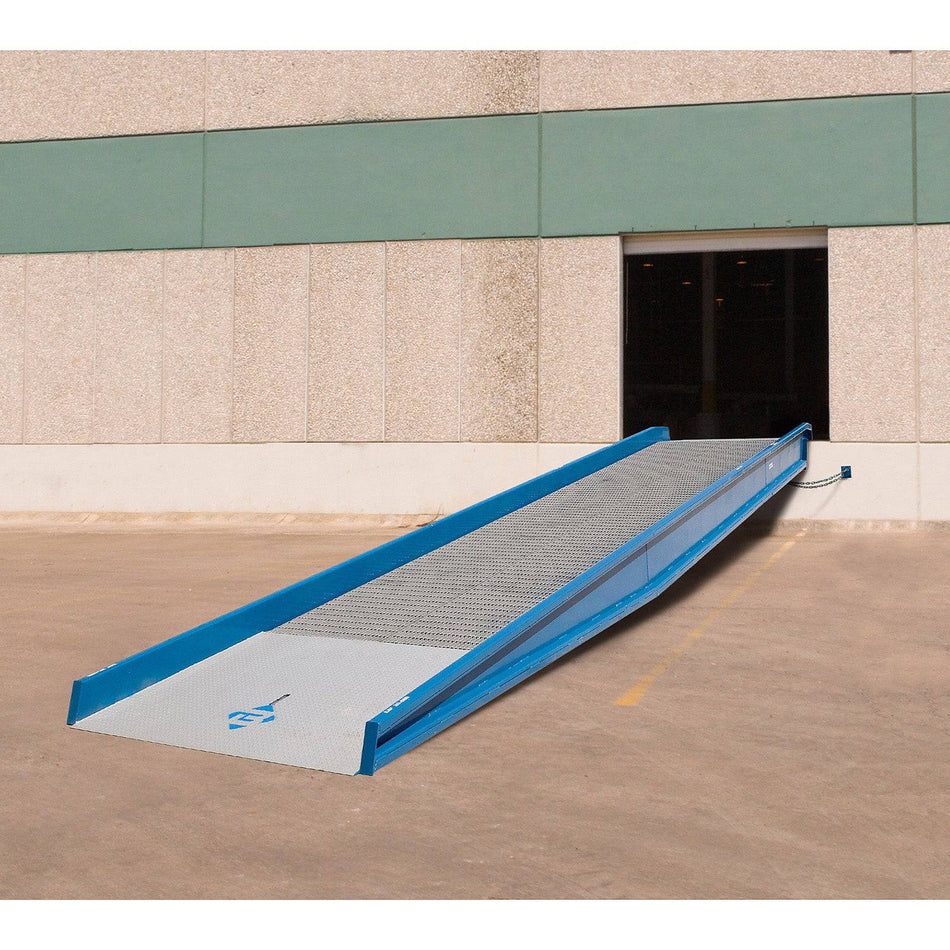
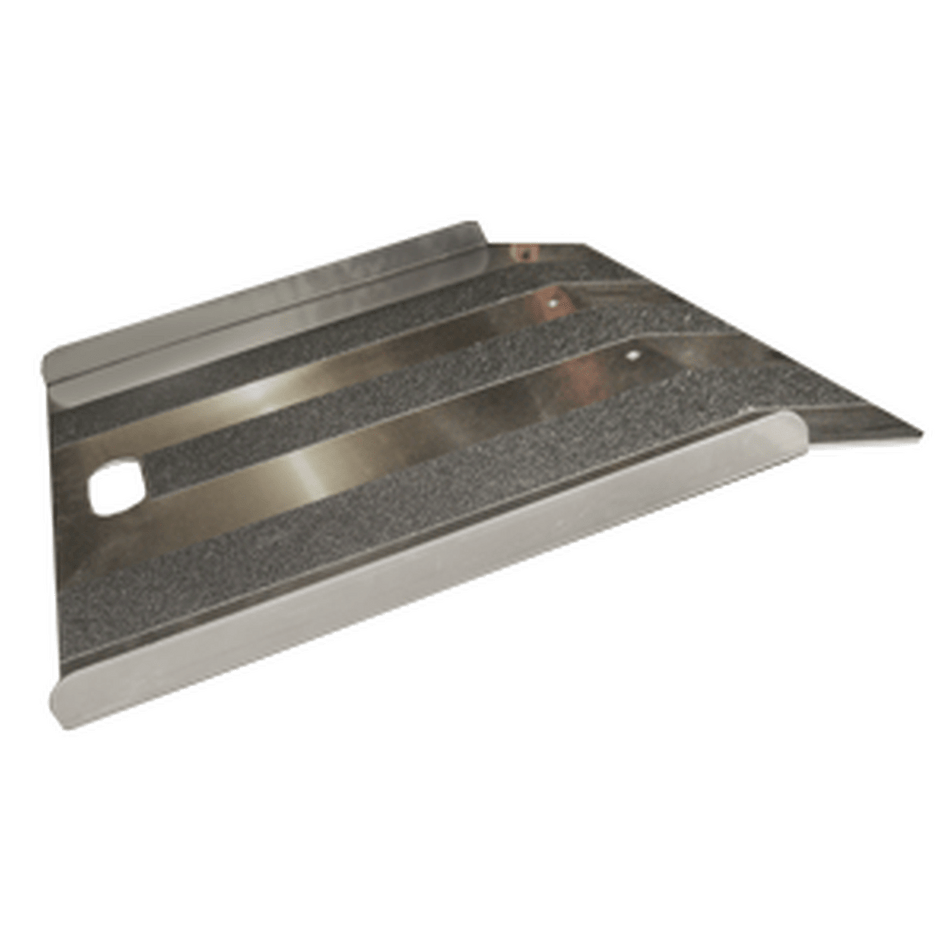
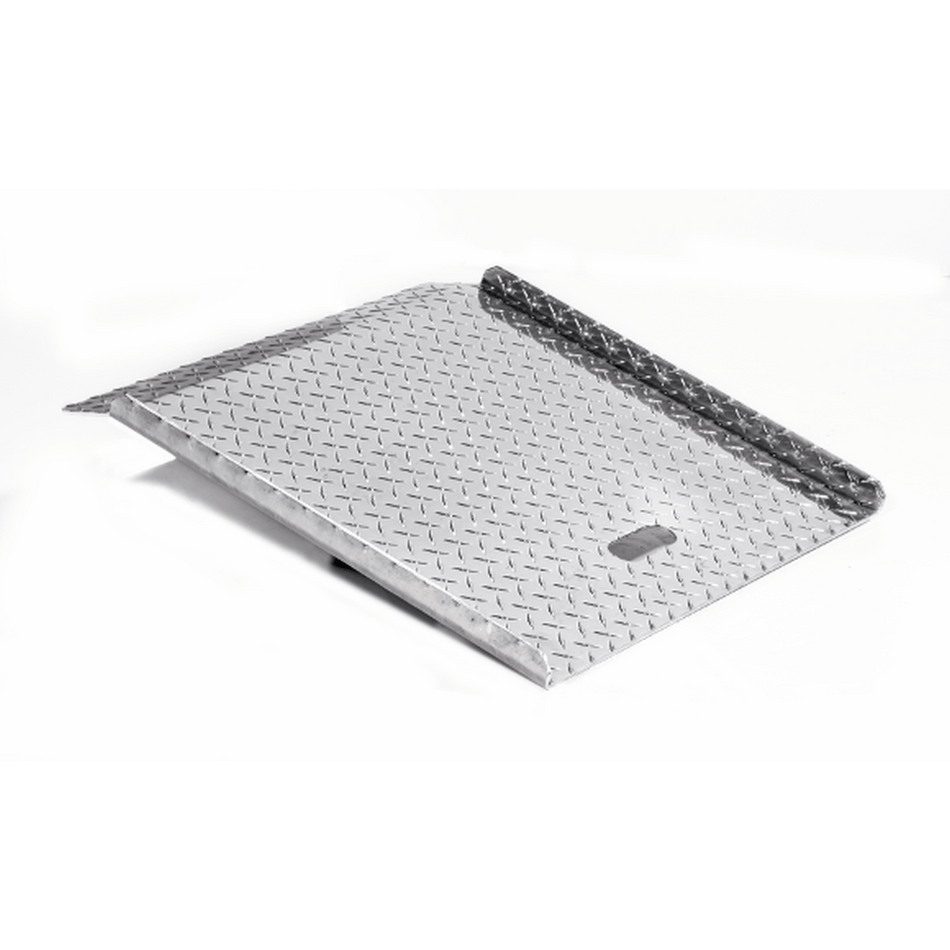
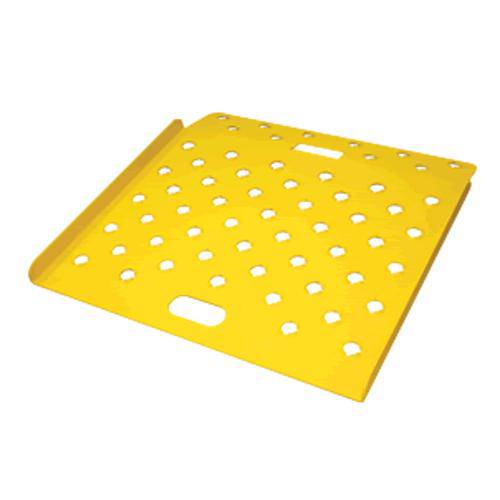
Choosing the right Curb Ramps depends on height difference, load capacity, traffic type, traction needs, and portability. Curb ramps are useful for smaller elevation changes, while walk ramps are better for longer transitions and frequent cart or pedestrian access.
For dock loading applications, review Dock Equipment such as dock plates, dock boards, and levelers. For delivery and route work, Hand Truck Ramps help make it easier to move loads over curbs, steps, and thresholds.
Common Curb Ramps Applications
Curb Ramps are commonly used in warehouses, delivery routes, schools, loading areas, retail stores, offices, maintenance departments, and industrial facilities. They help improve access, material movement, and workplace safety.
Frequently Asked Questions
What are curb ramps used for?
Curb Ramps are used to help move people, carts, hand trucks, dollies, and equipment over elevation changes or obstacles.
How do I choose the right ramp?
Consider load capacity, height, ramp length, width, traction surface, and the type of equipment being moved.
Are ramps safe for carts and dollies?
Yes, when the ramp is rated for the load and has appropriate width, traction, and incline for the equipment.
What is the difference between curb ramps and walk ramps?
Curb Ramps are for small obstacles and curbs, while Walk Ramps provide longer elevated access for people and equipment.
Where are ramps commonly used?
Ramps are commonly used in warehouses, loading areas, delivery operations, schools, retail stores, and commercial facilities.
[{"text":"Unlocking Accessibility: The Comprehensive Guide to Curb Ramps for Businesses","url":"https://www.source4industries.com/blogs/articles/unlocking-accessibility-the-comprehensive-guide-to-curb-ramps-for-businesses"}]