Pallet Jacks

Quick Answer: Which Pallet Jack Do You Need?

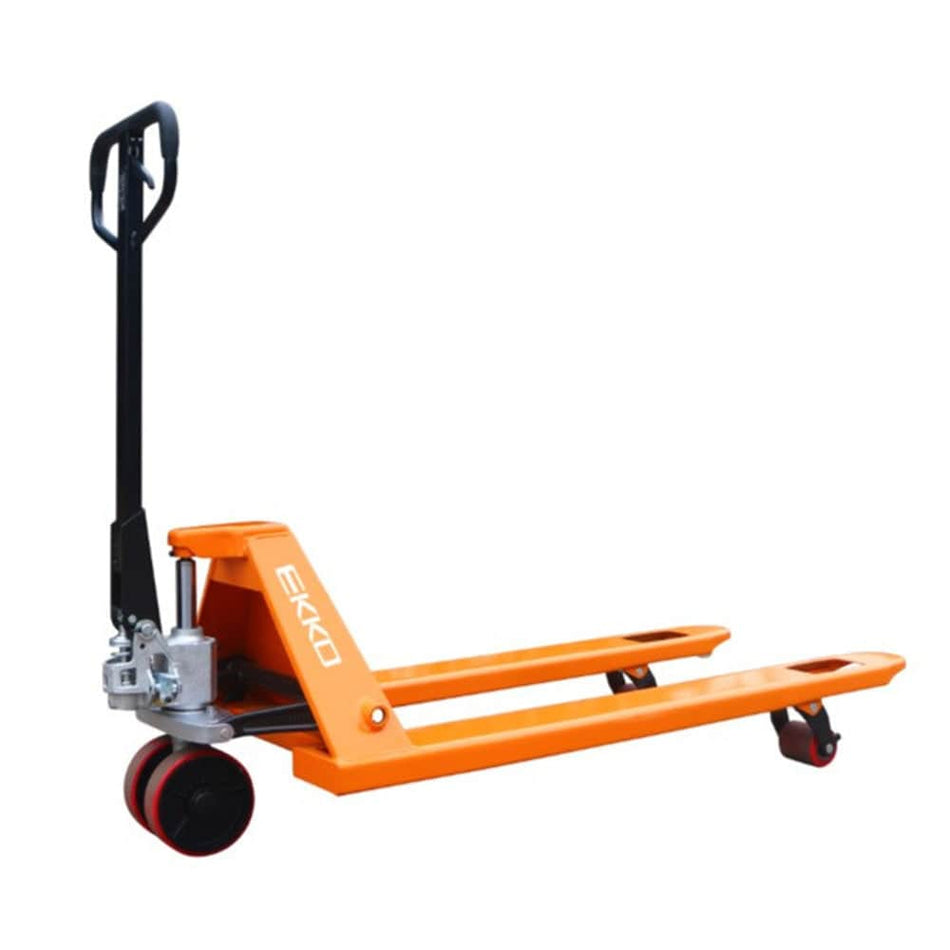
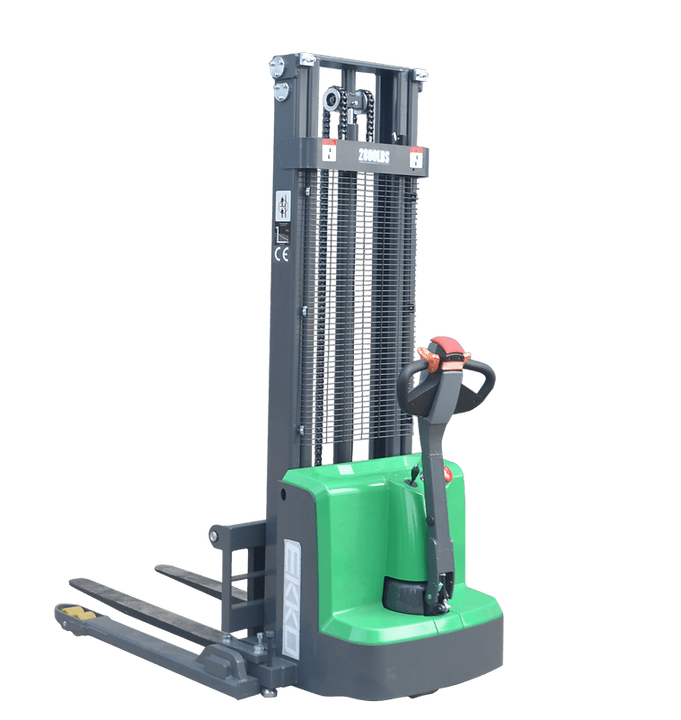
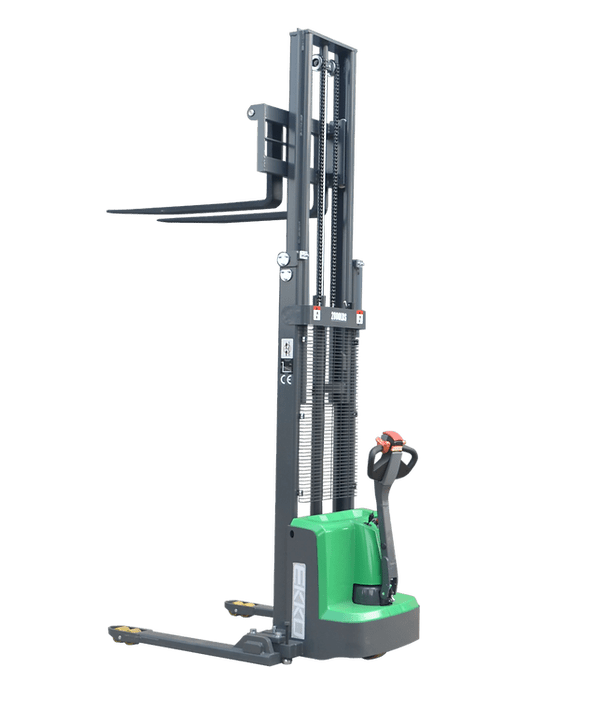
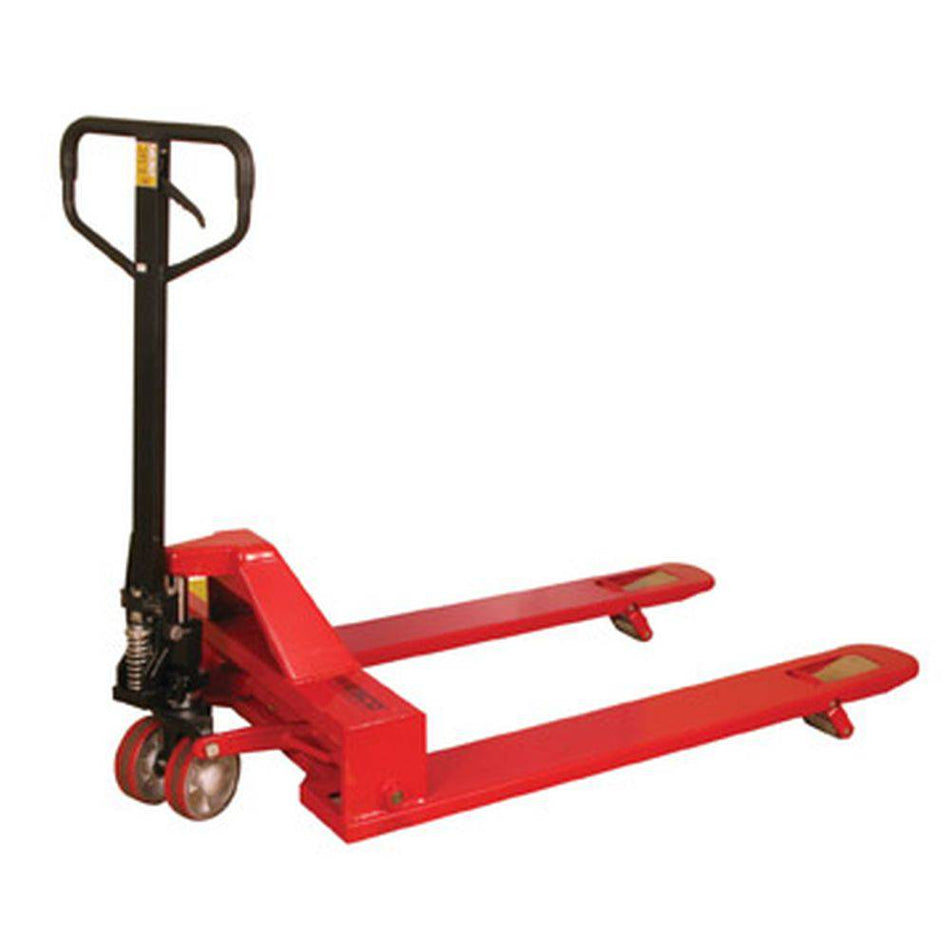
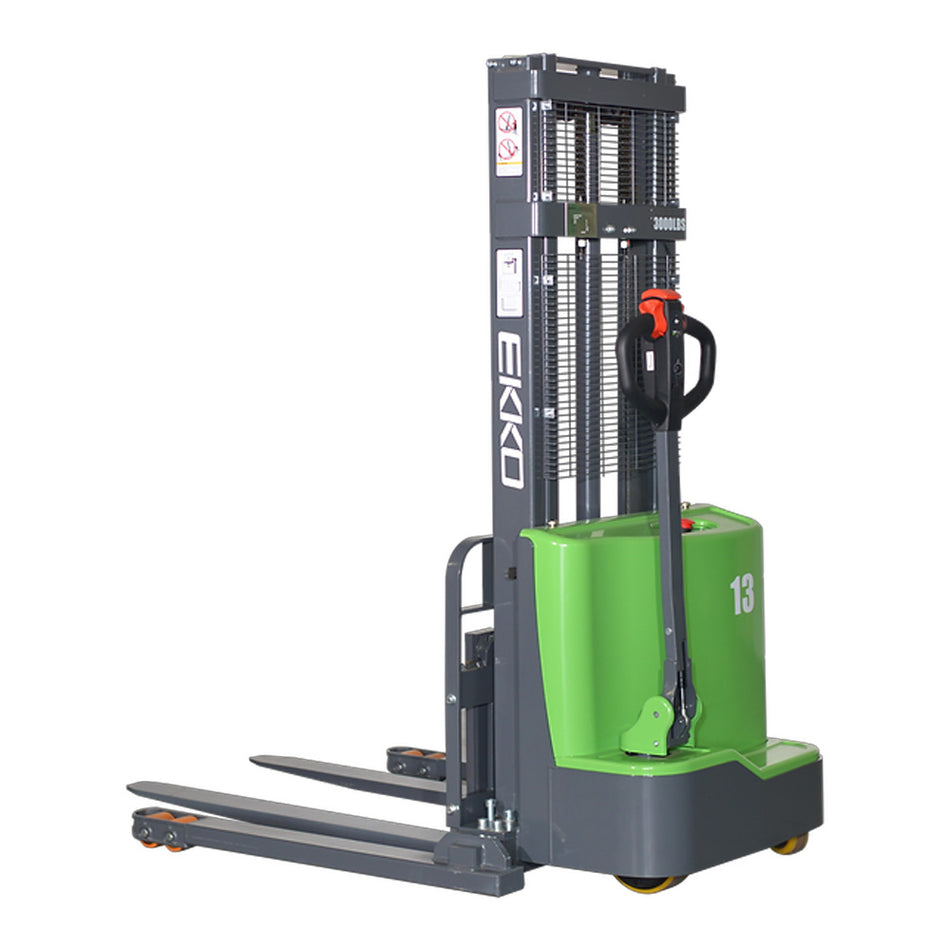
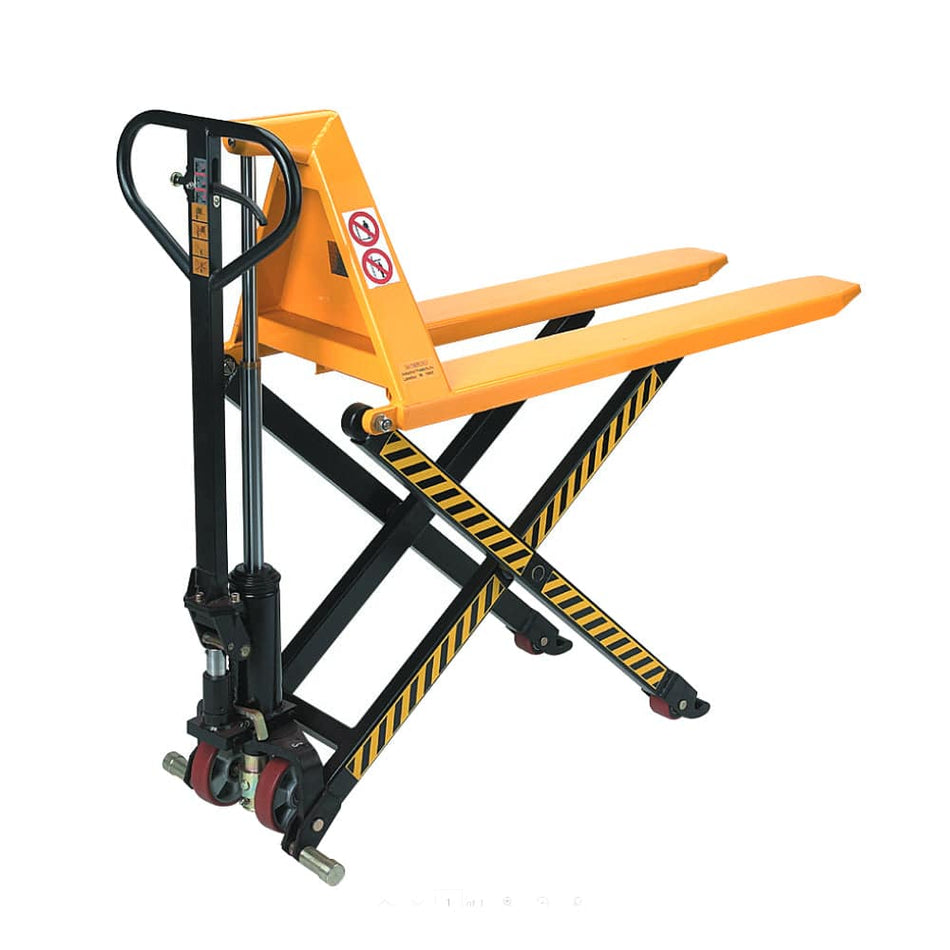
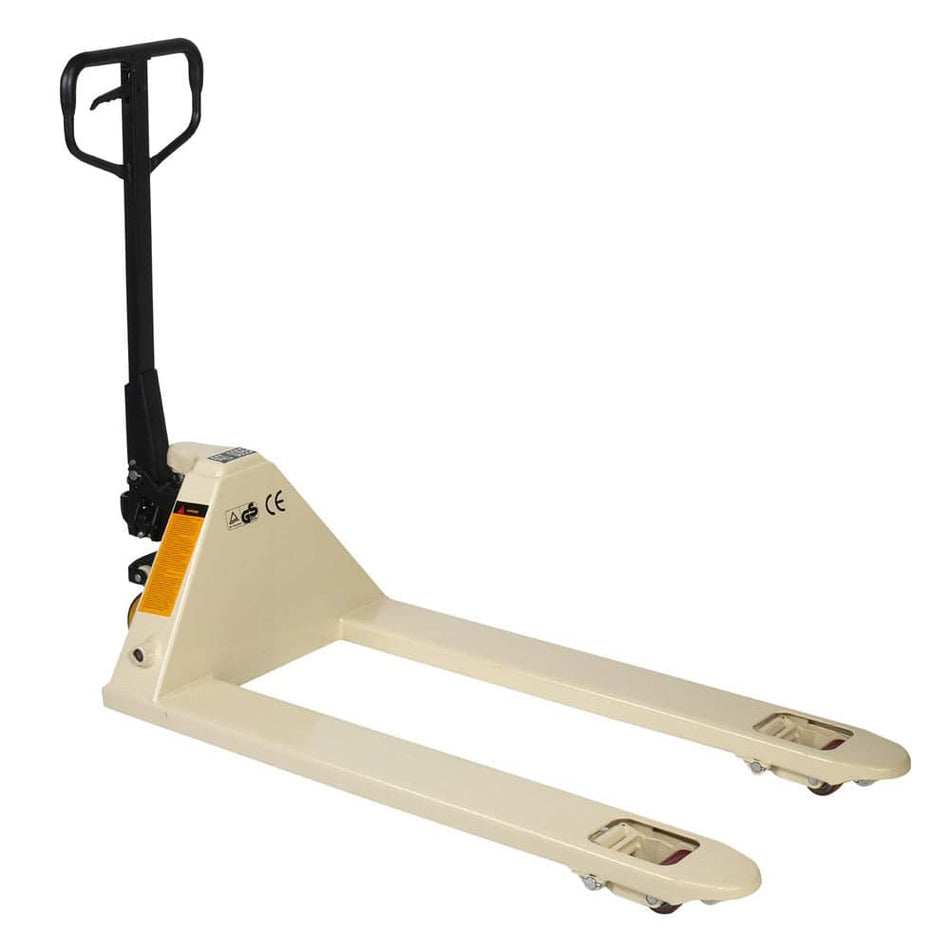
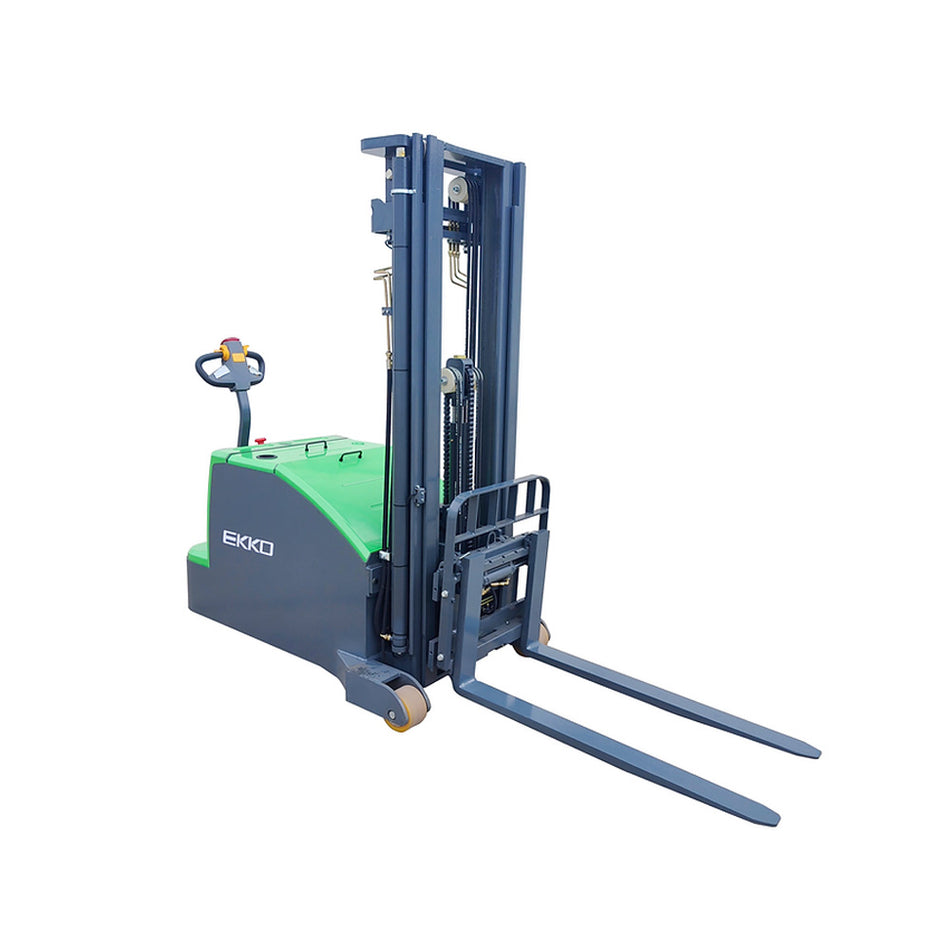
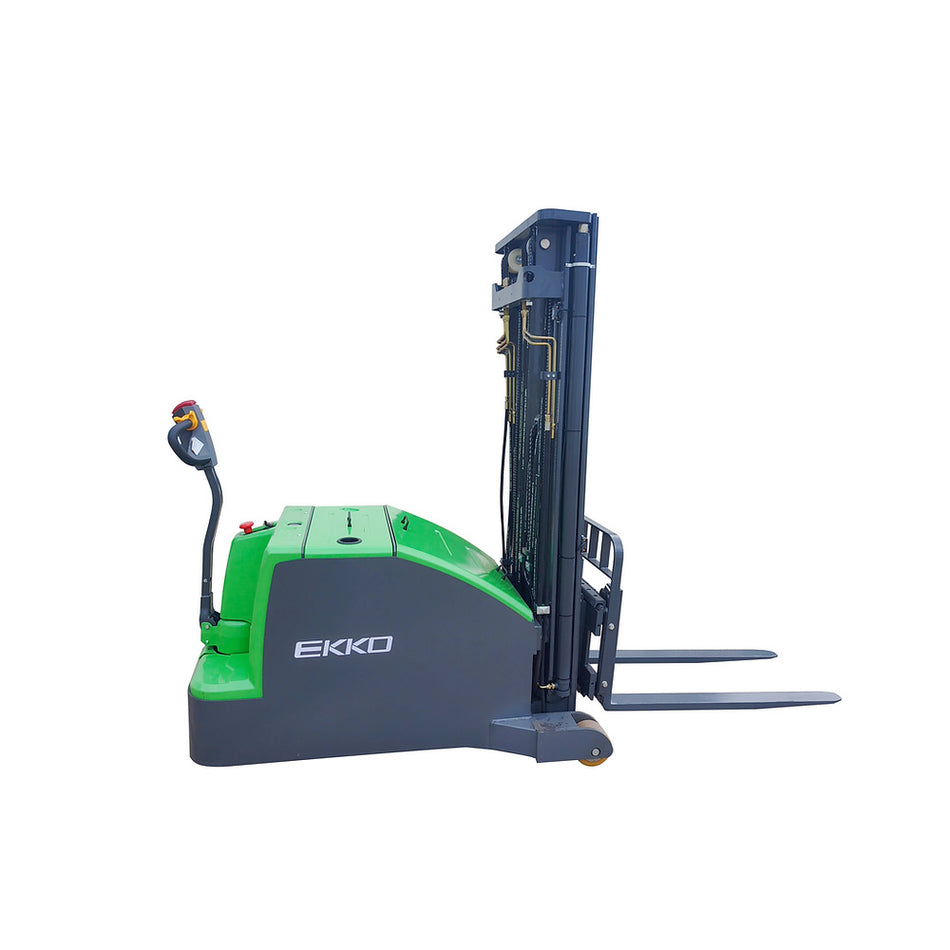
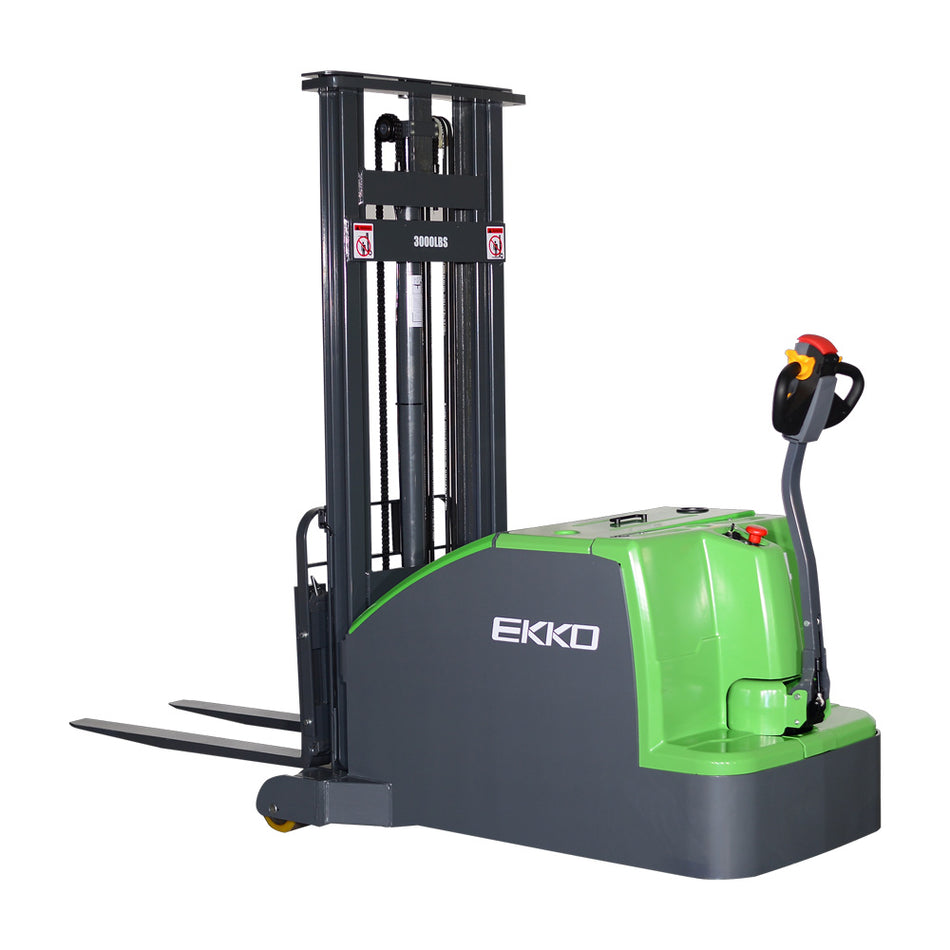
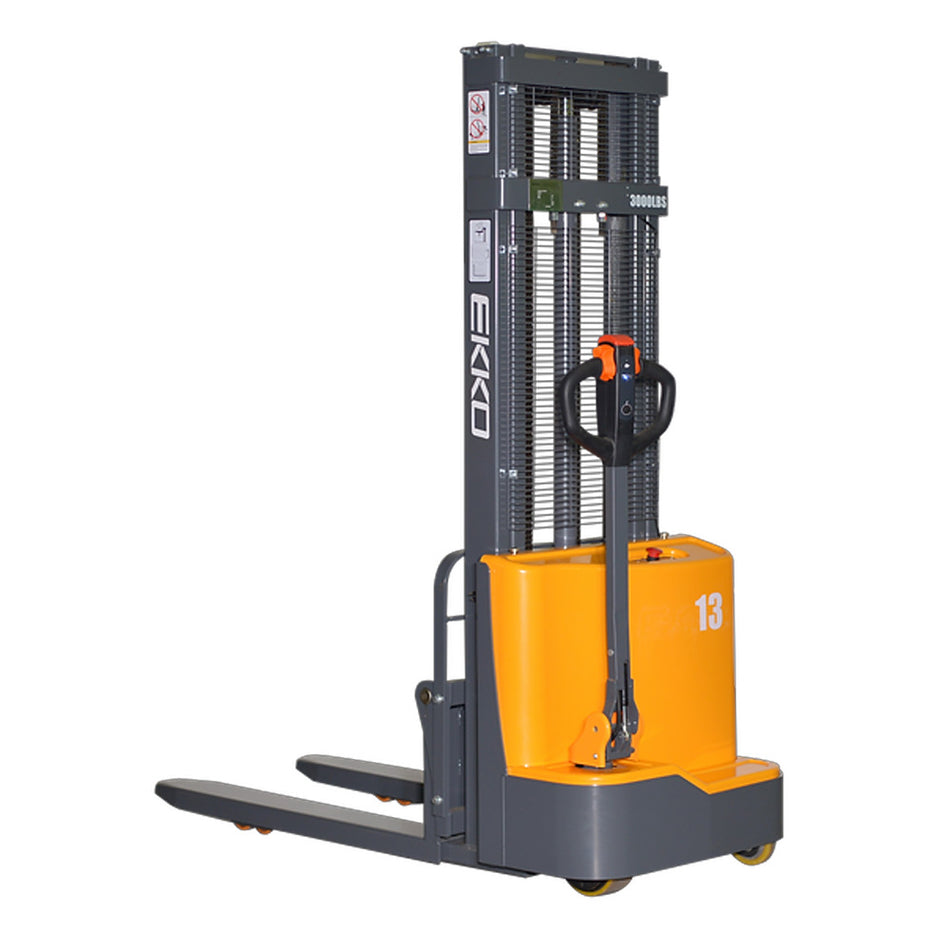
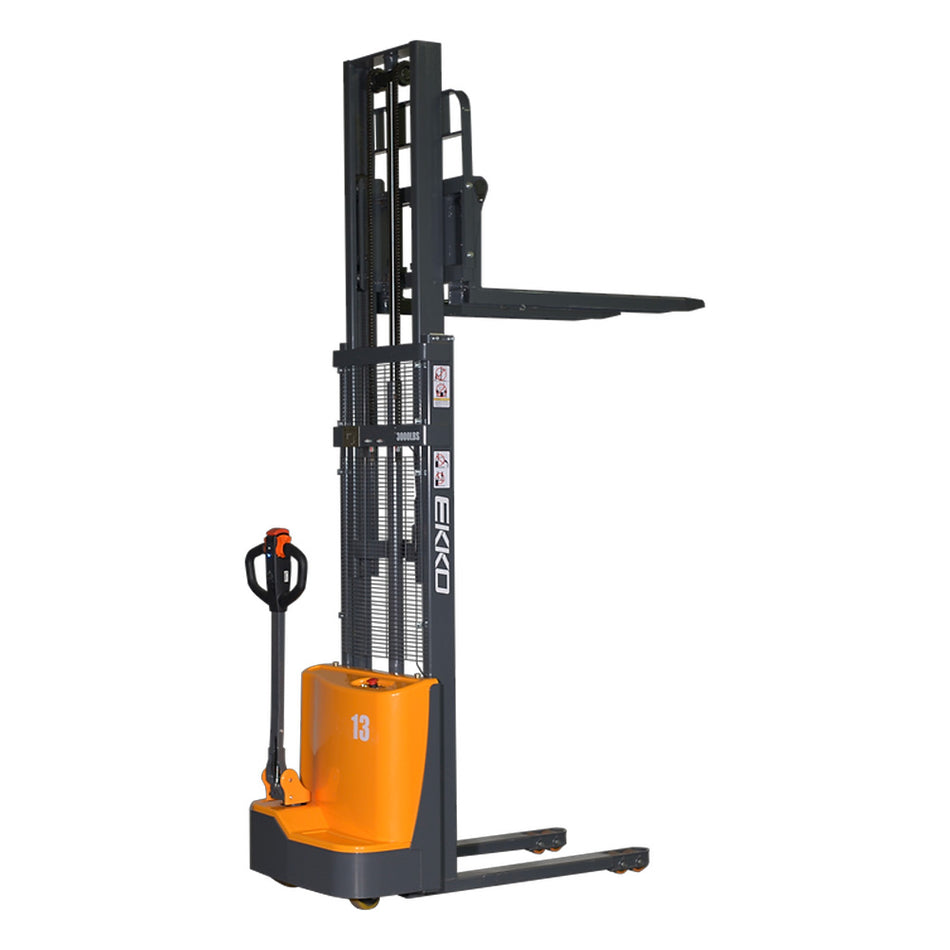
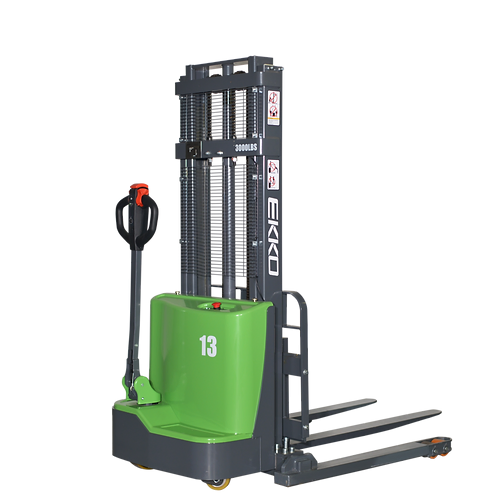
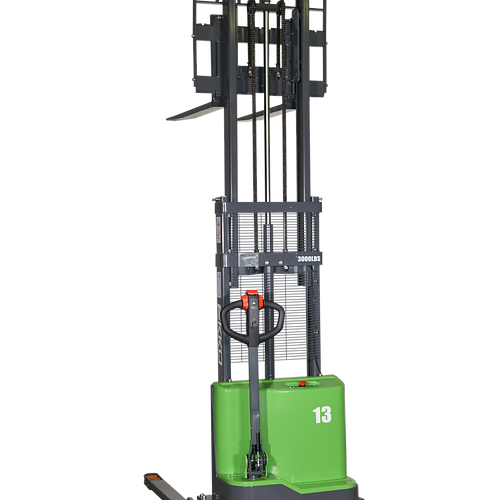
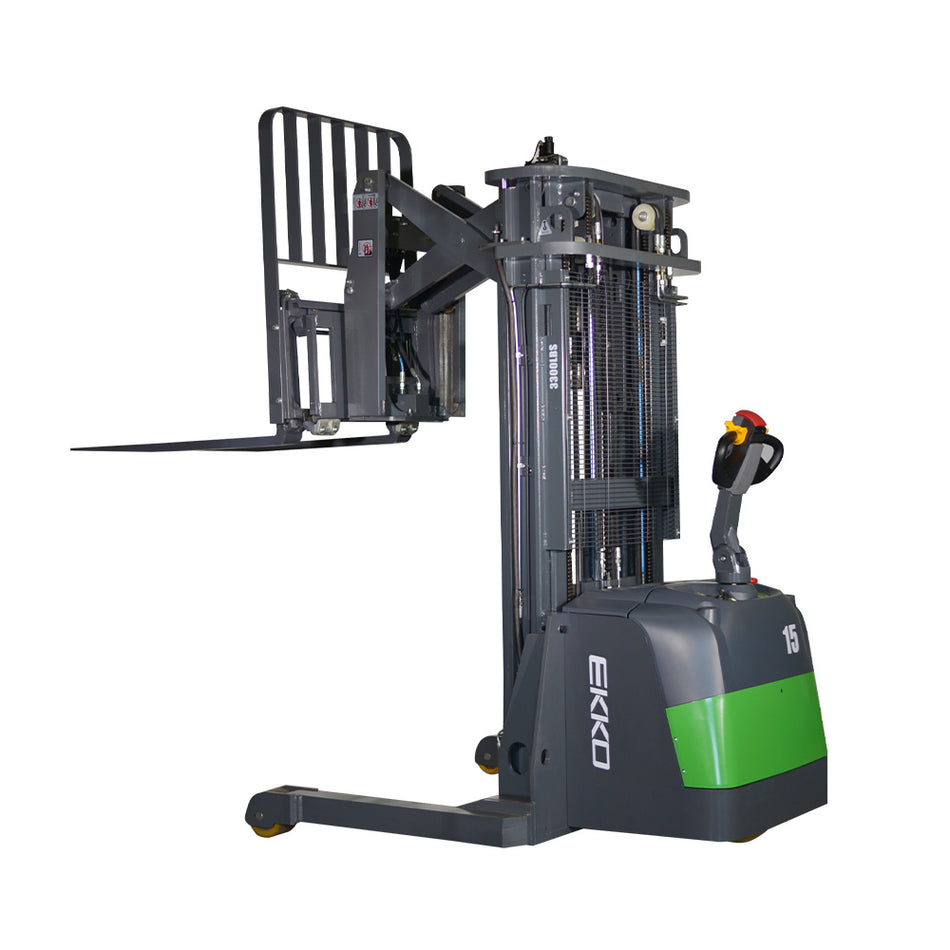
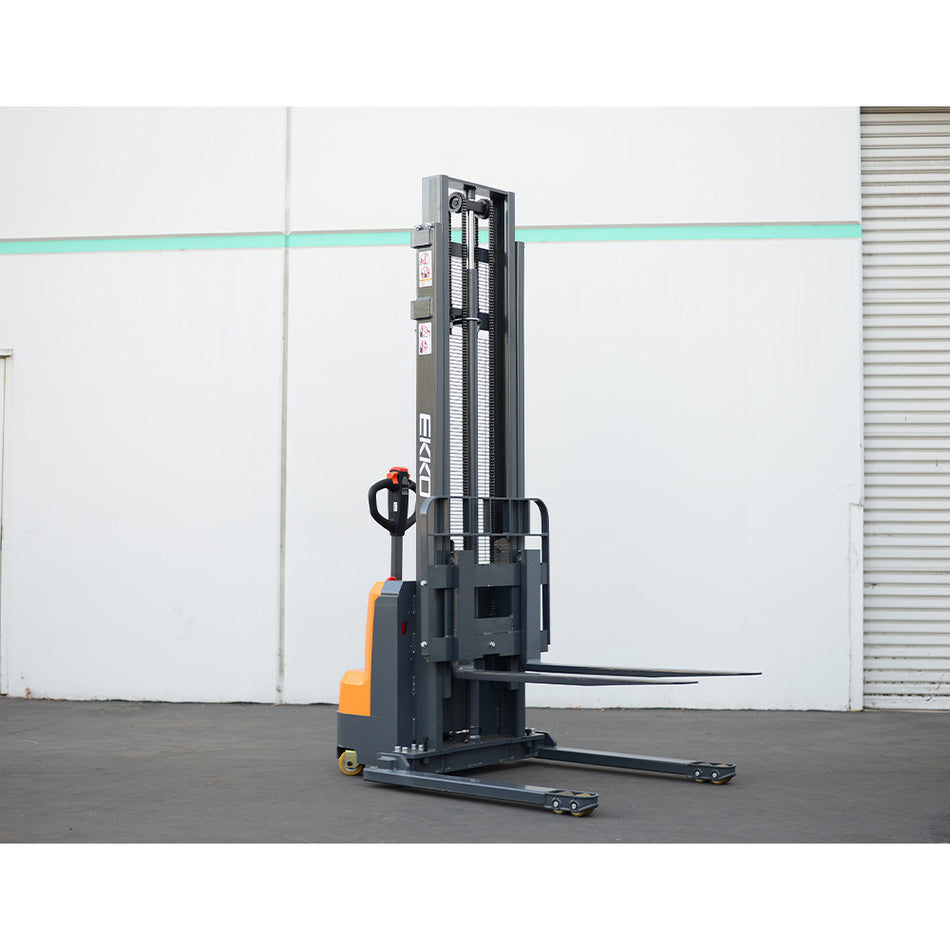
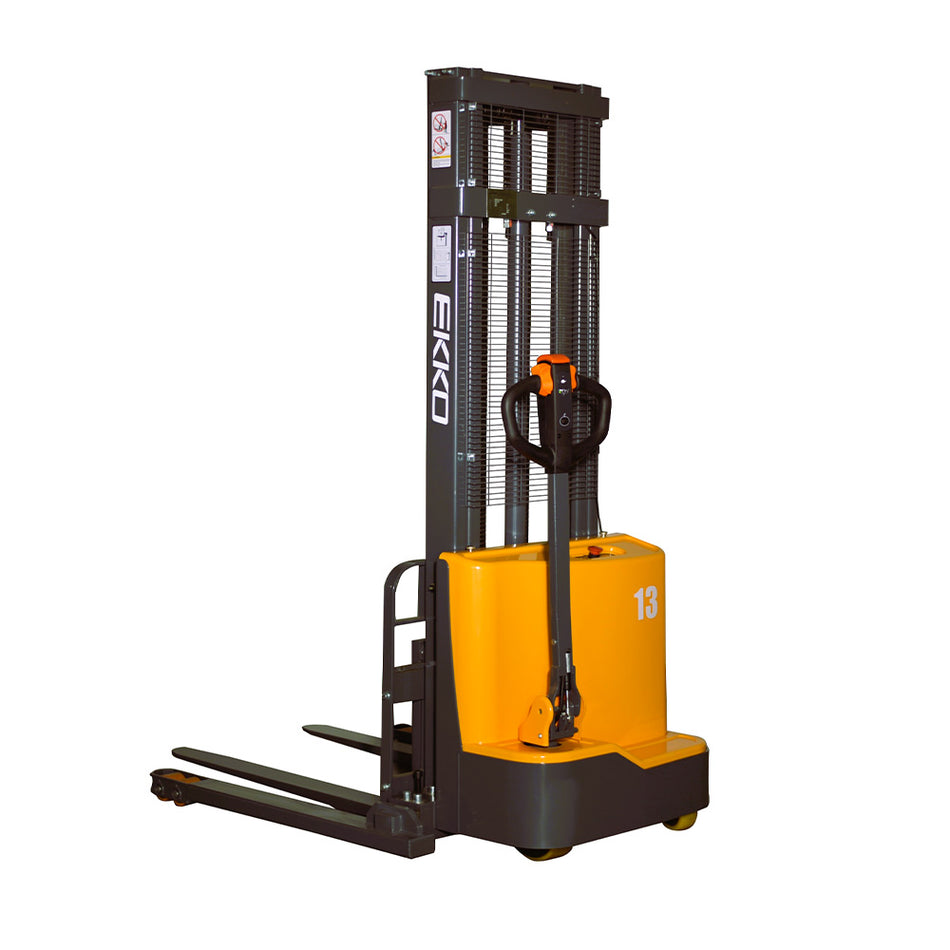
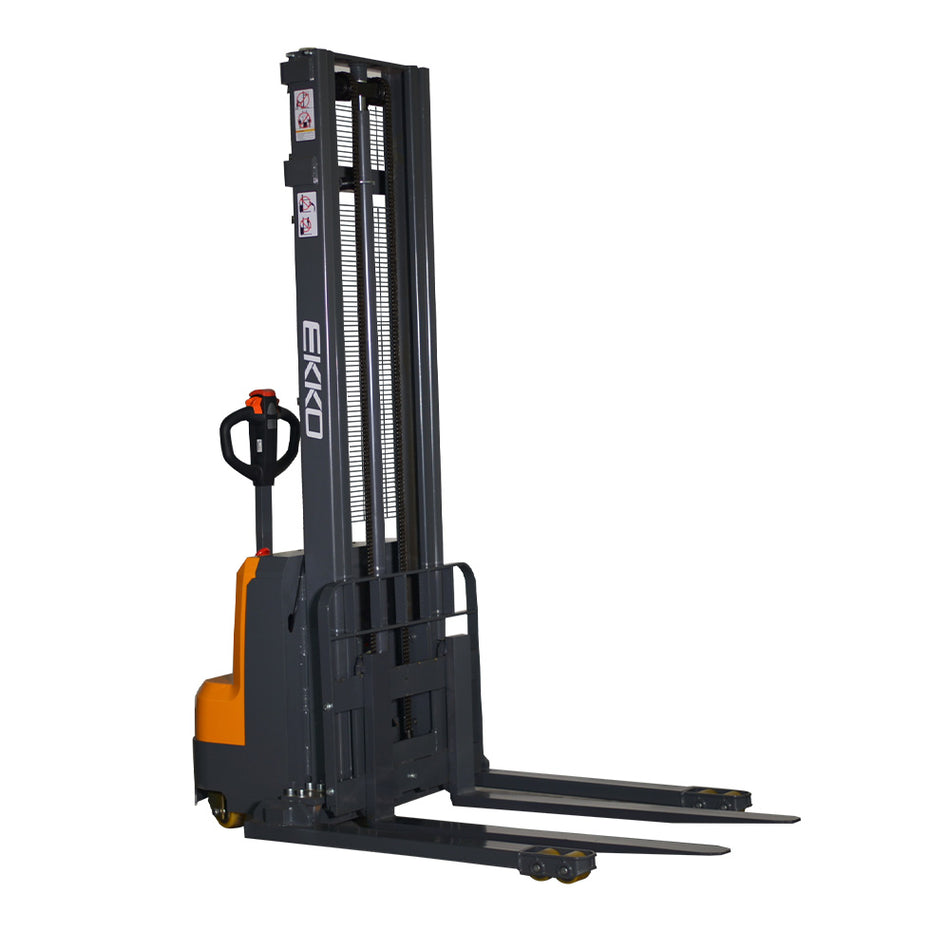
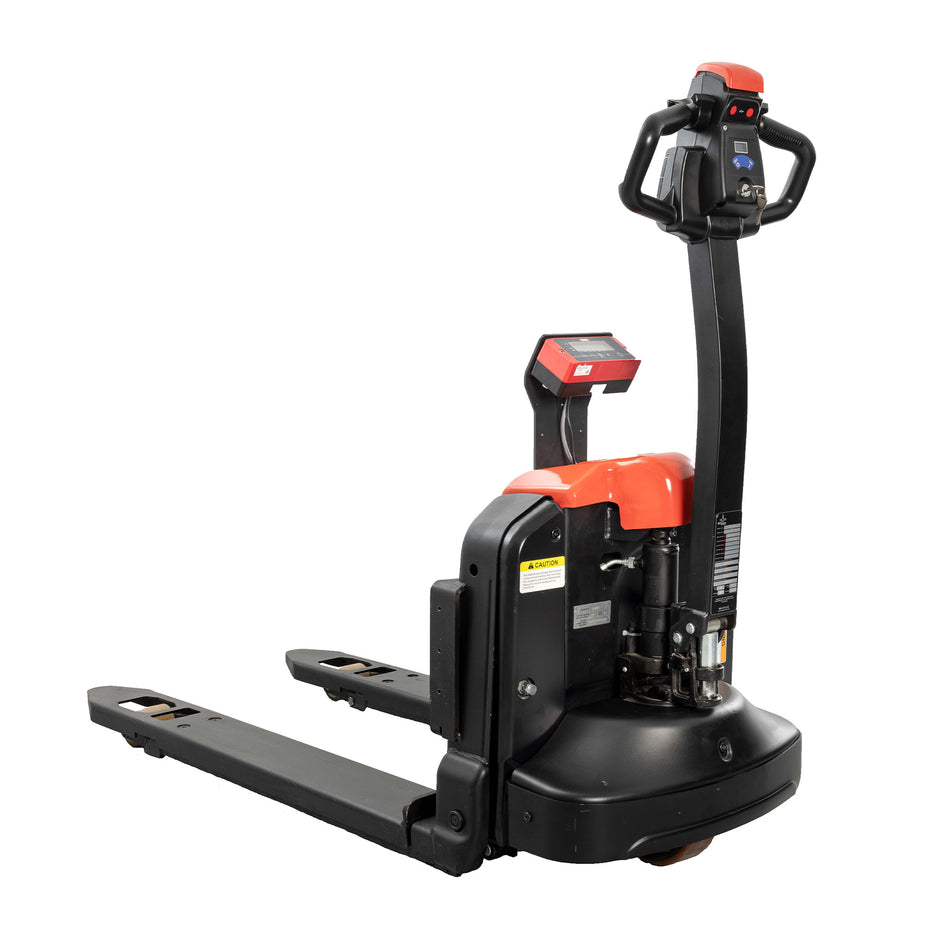
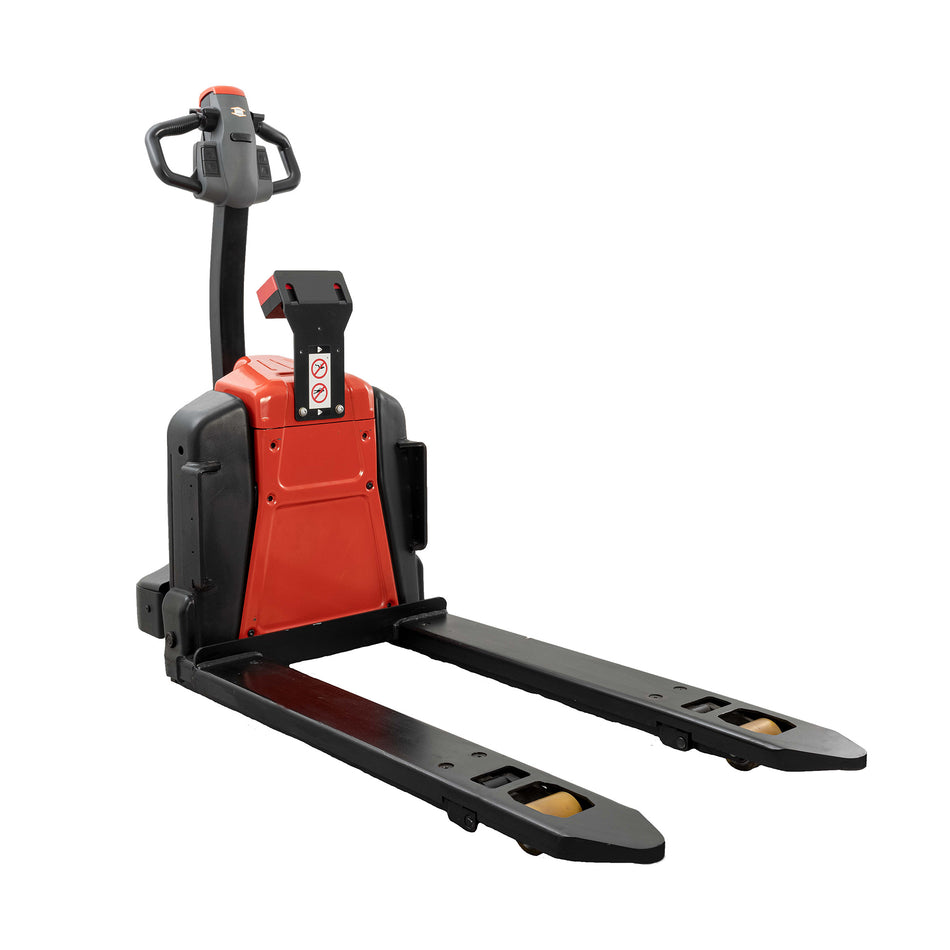
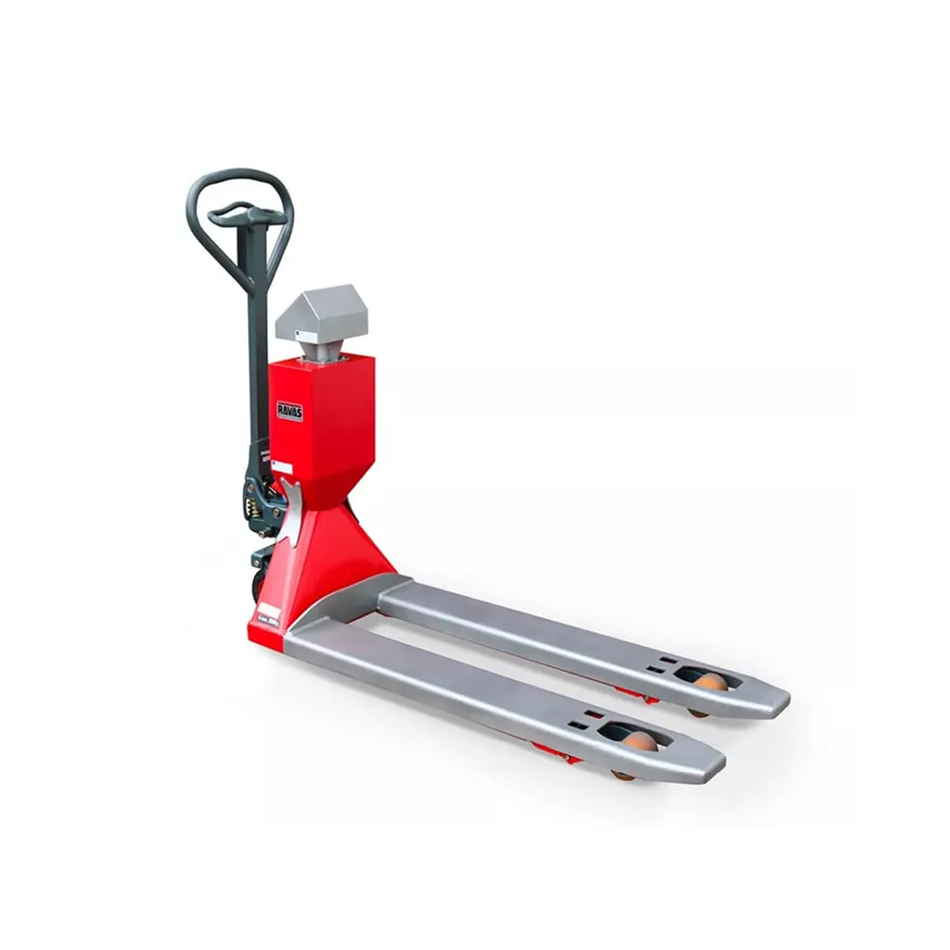
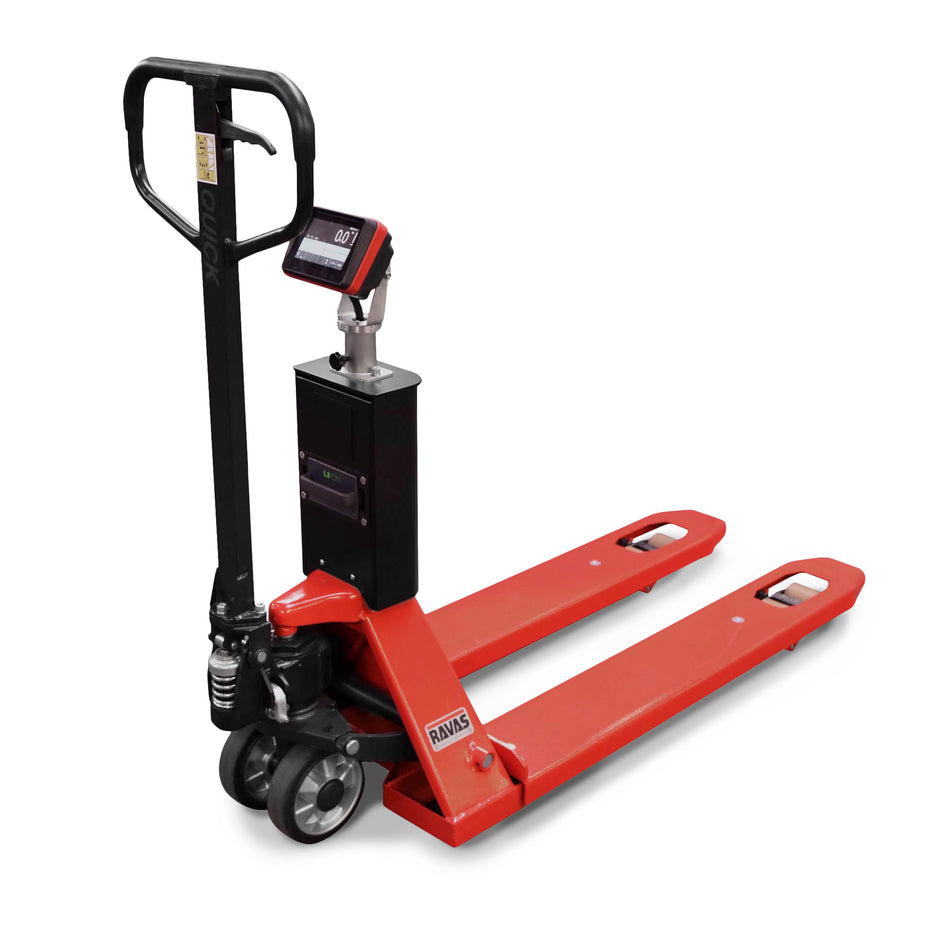
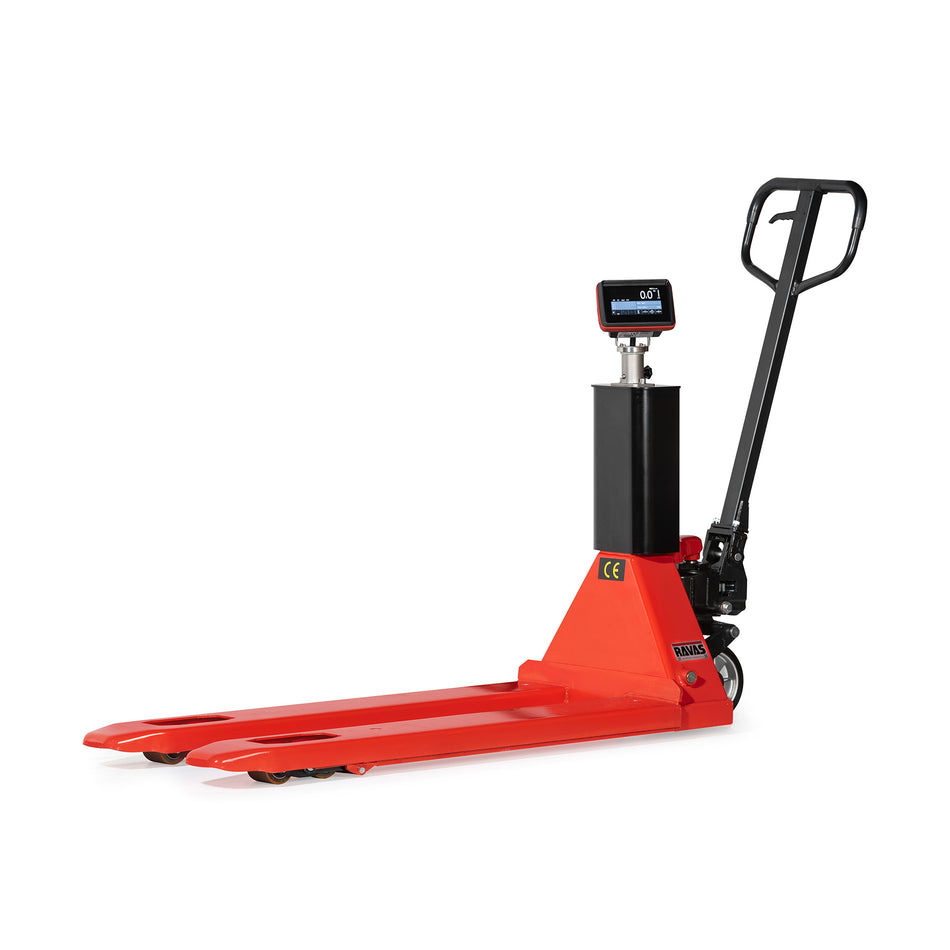
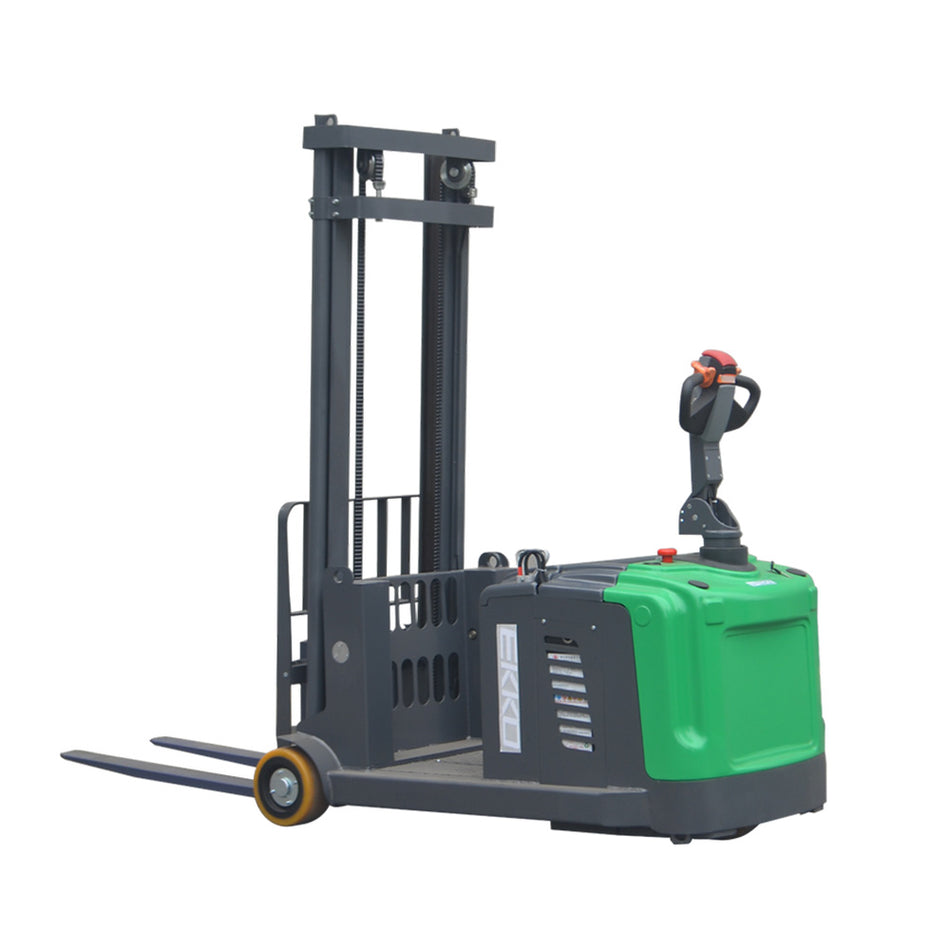
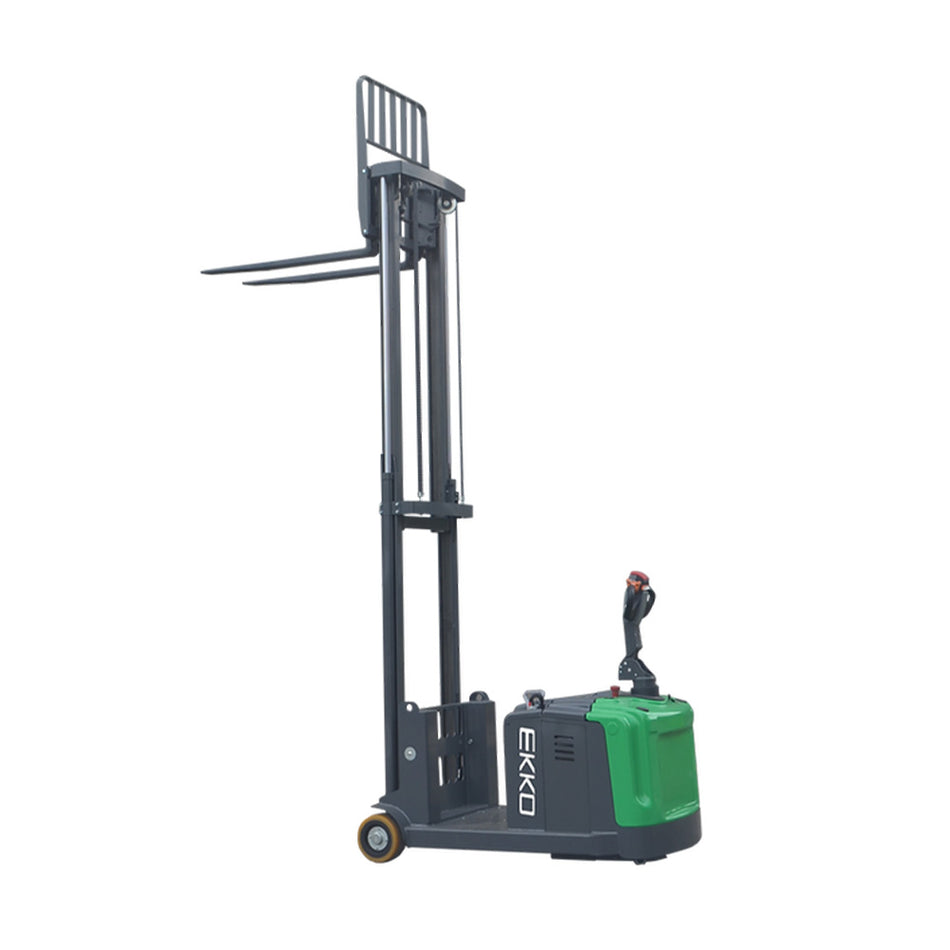
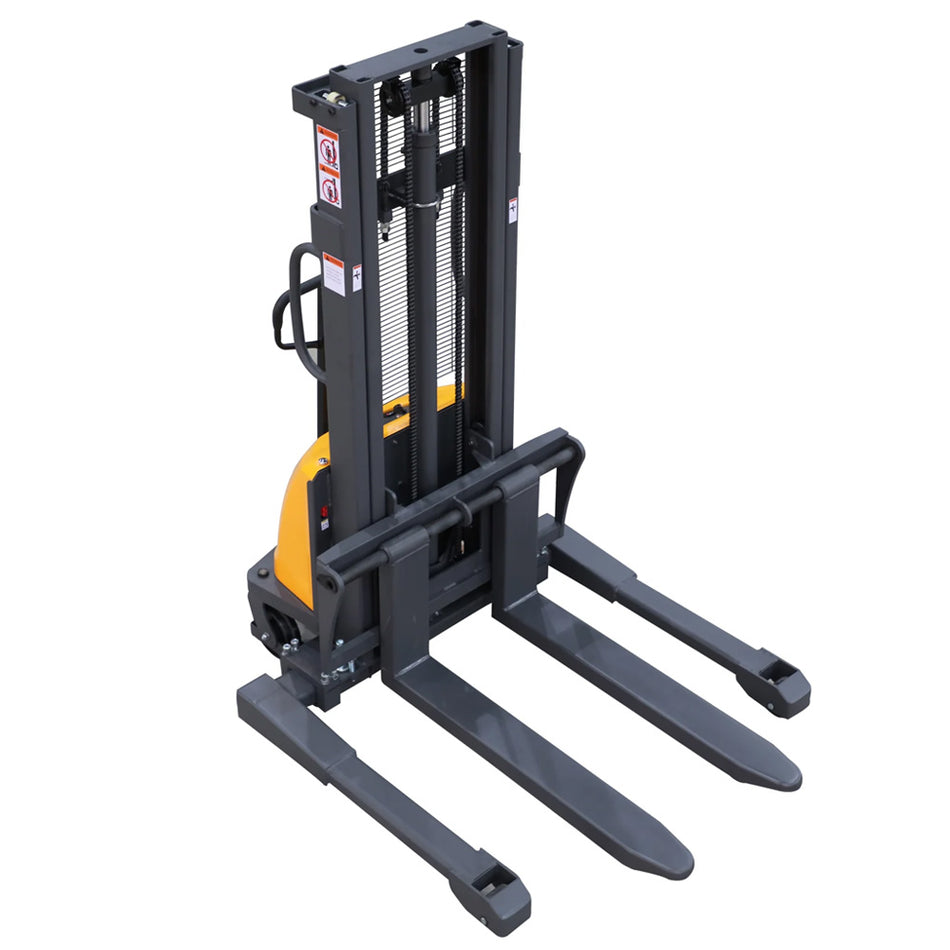
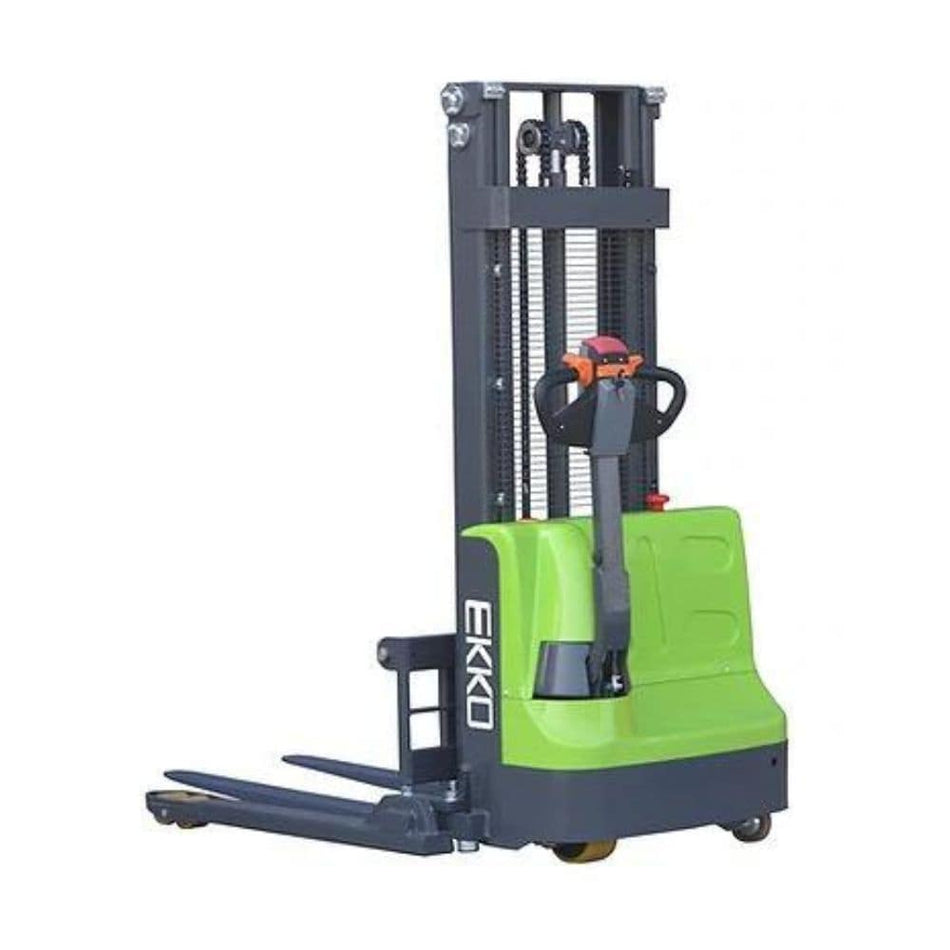
Manual pallet jacks are ideal for everyday warehouse use, short transport distances, and cost-effective pallet movement. Electric pallet jacks and powered pallet jacks are better for heavier loads, larger facilities, and operations with frequent pallet movement throughout the day. Scale trucks allow operators to move and weigh pallets in one process, helping improve shipping and inventory workflows. Stainless steel pallet jacks are commonly used in food processing, pharmaceutical, washdown, and corrosive environments where sanitation and corrosion resistance are important.

Compare Pallet Jack Types

Type Best For Main Benefit
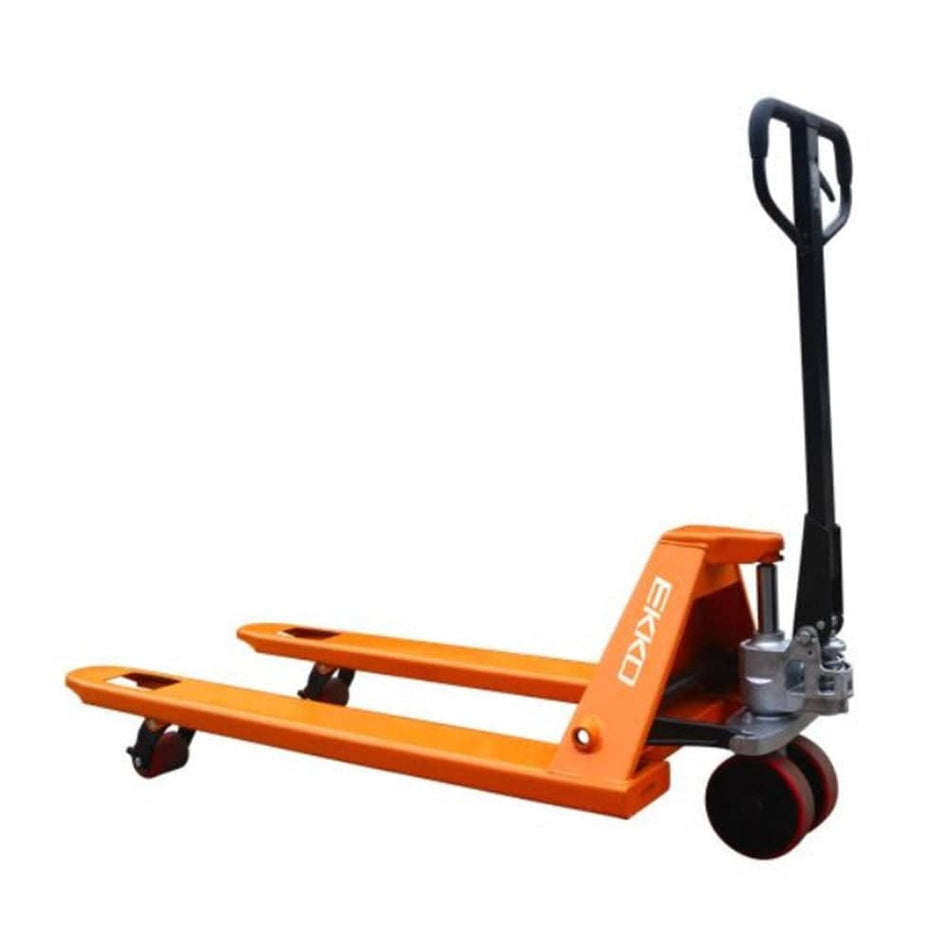
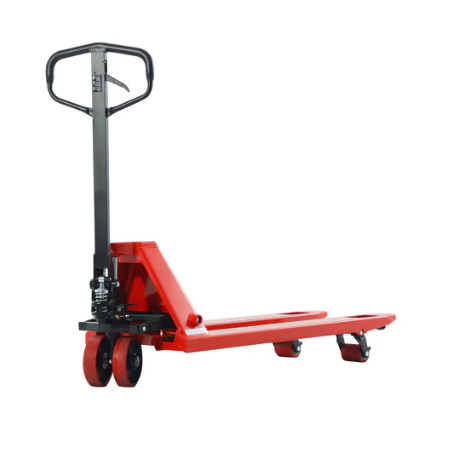
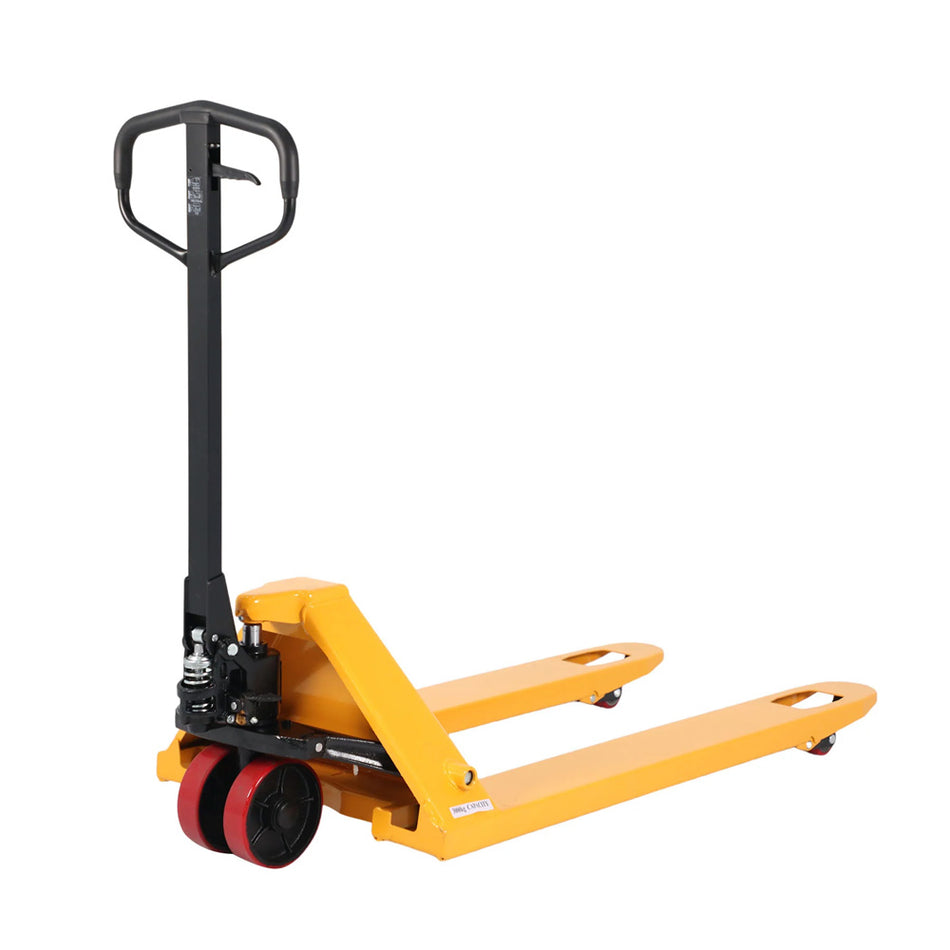
Manual Pallet Jacks General warehouse use and short-distance pallet movement Affordable, reliable, and easy to maintain
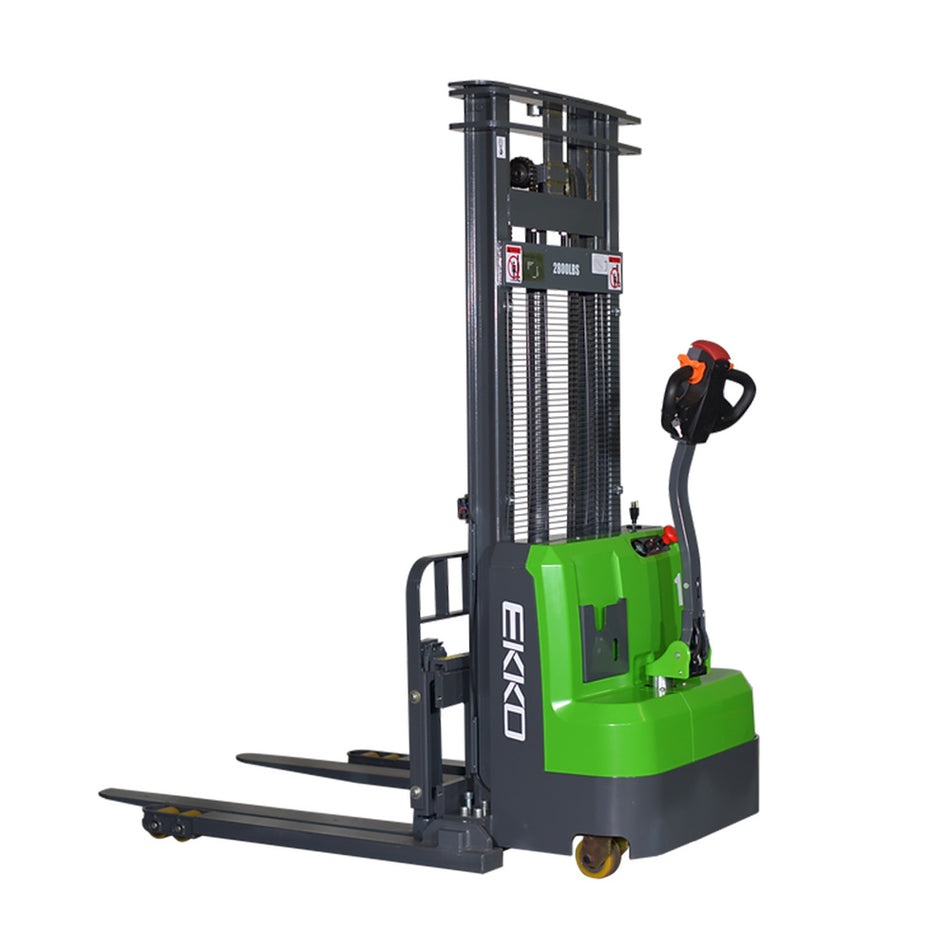
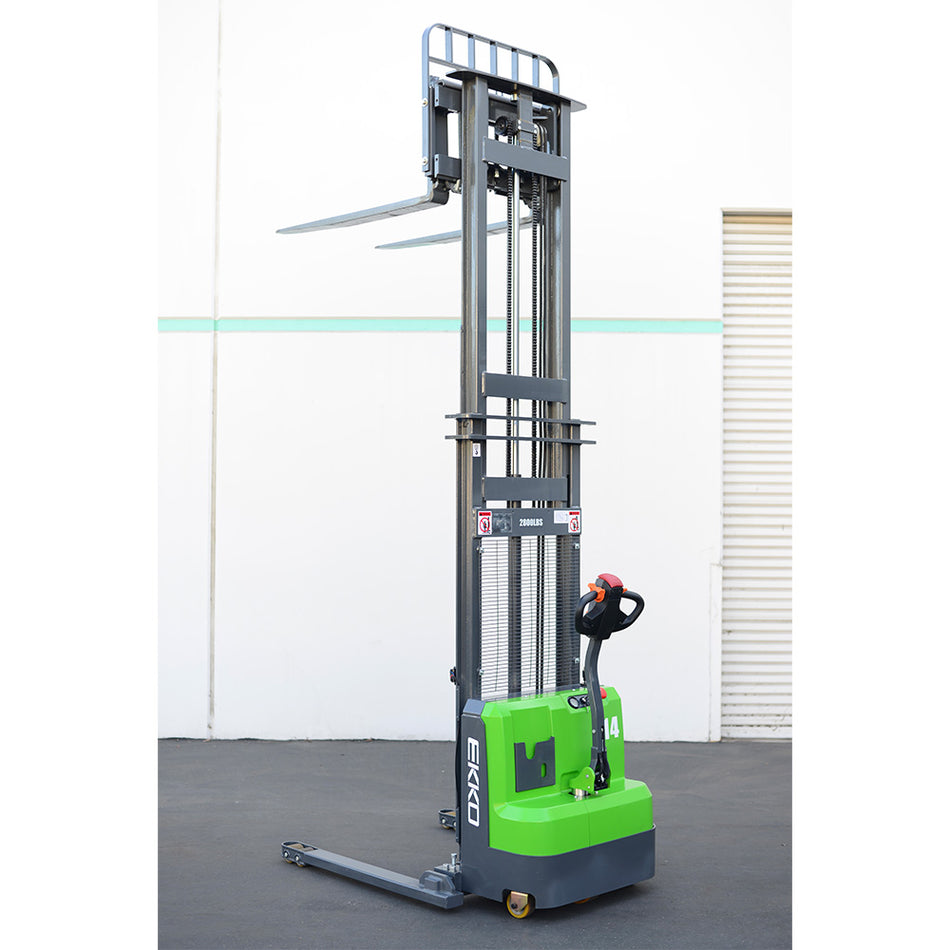
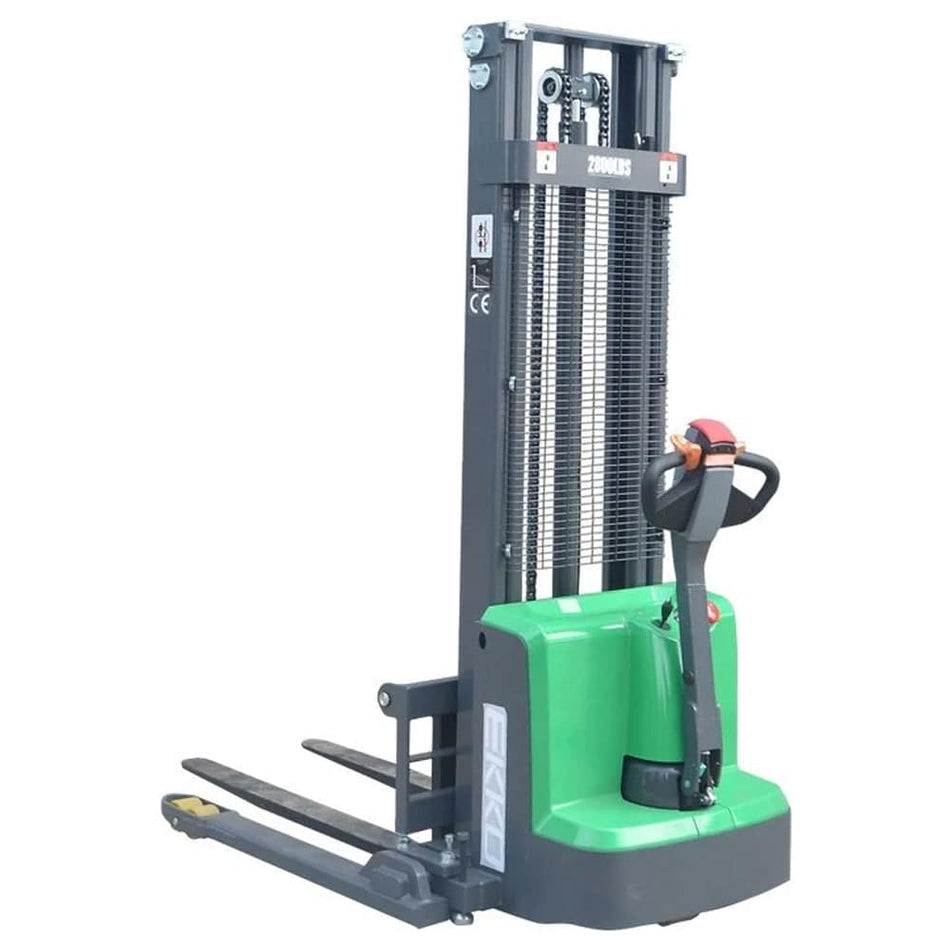
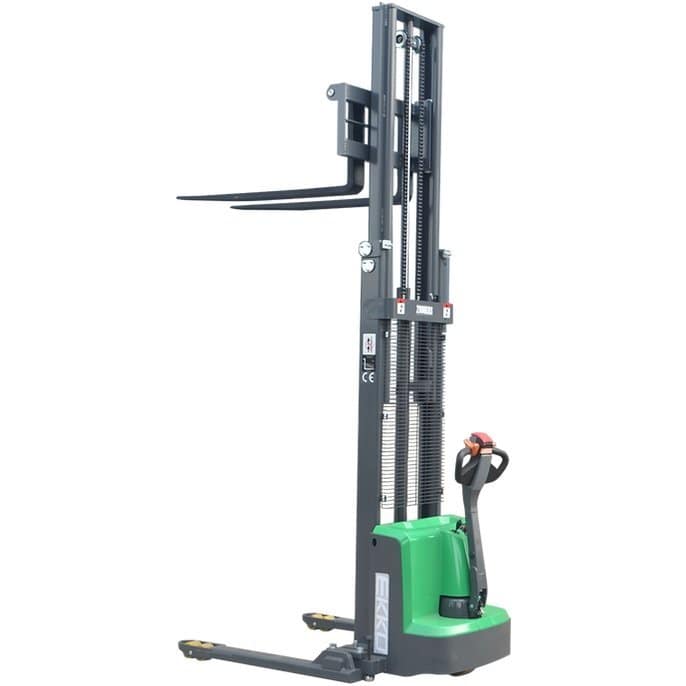
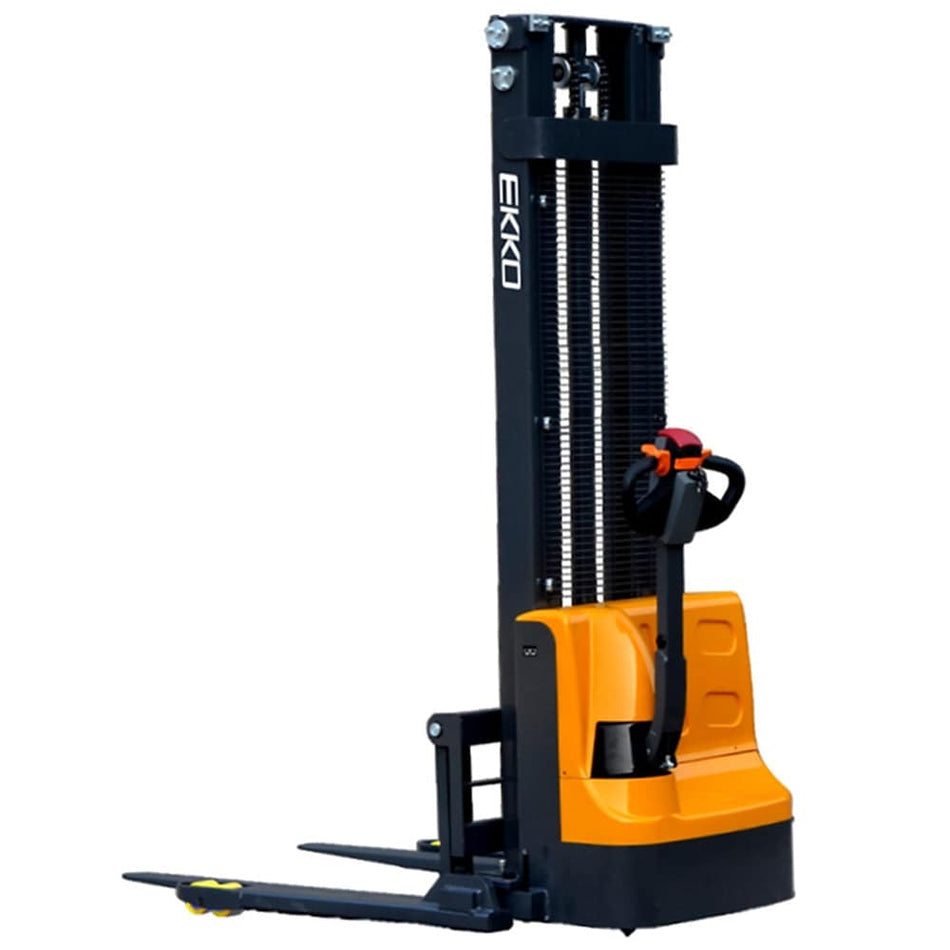
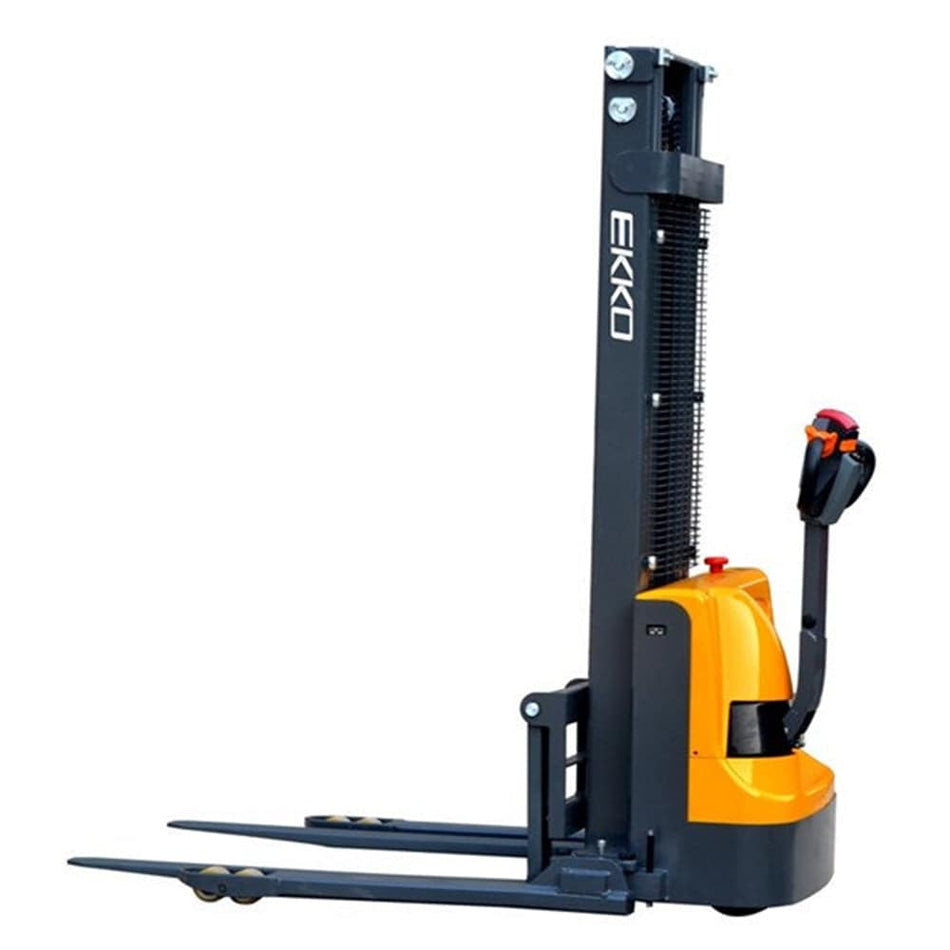
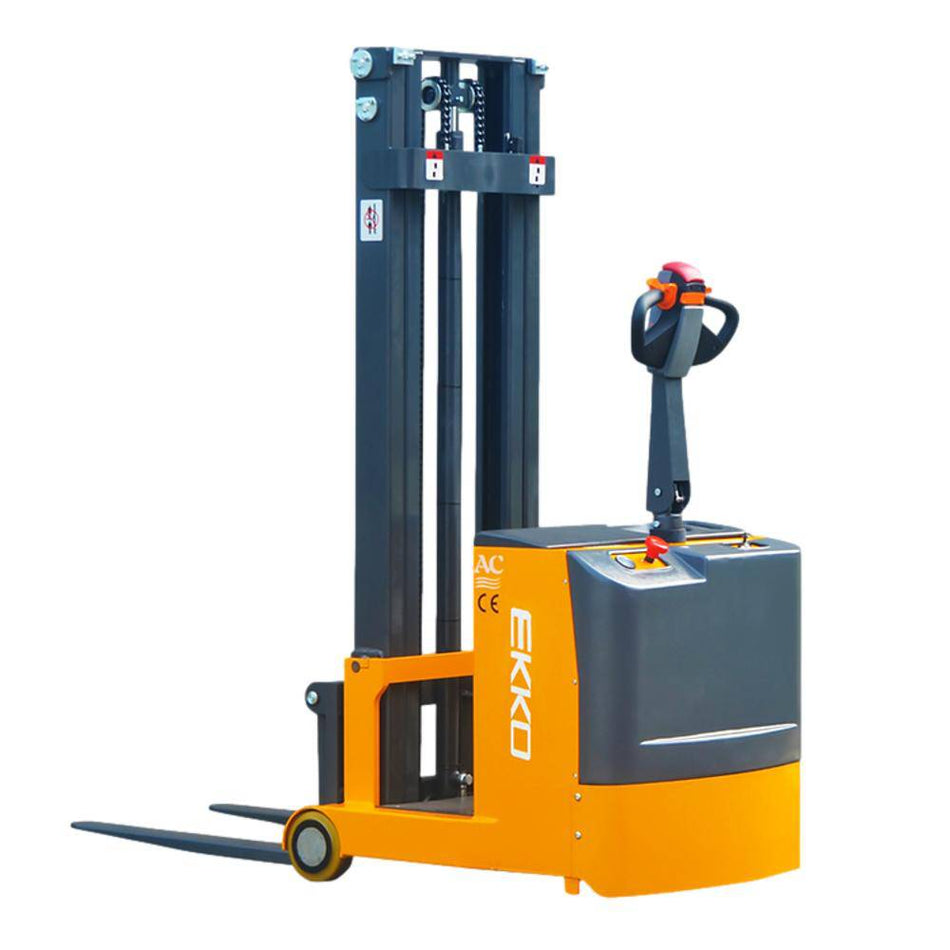
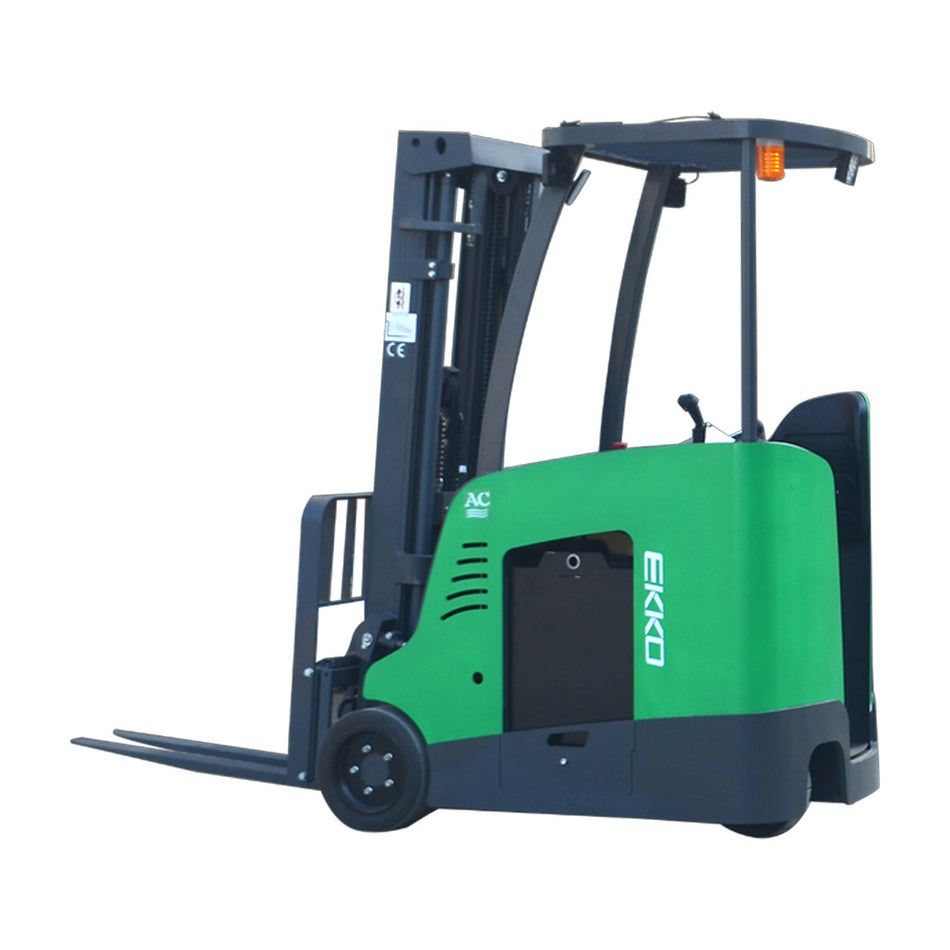
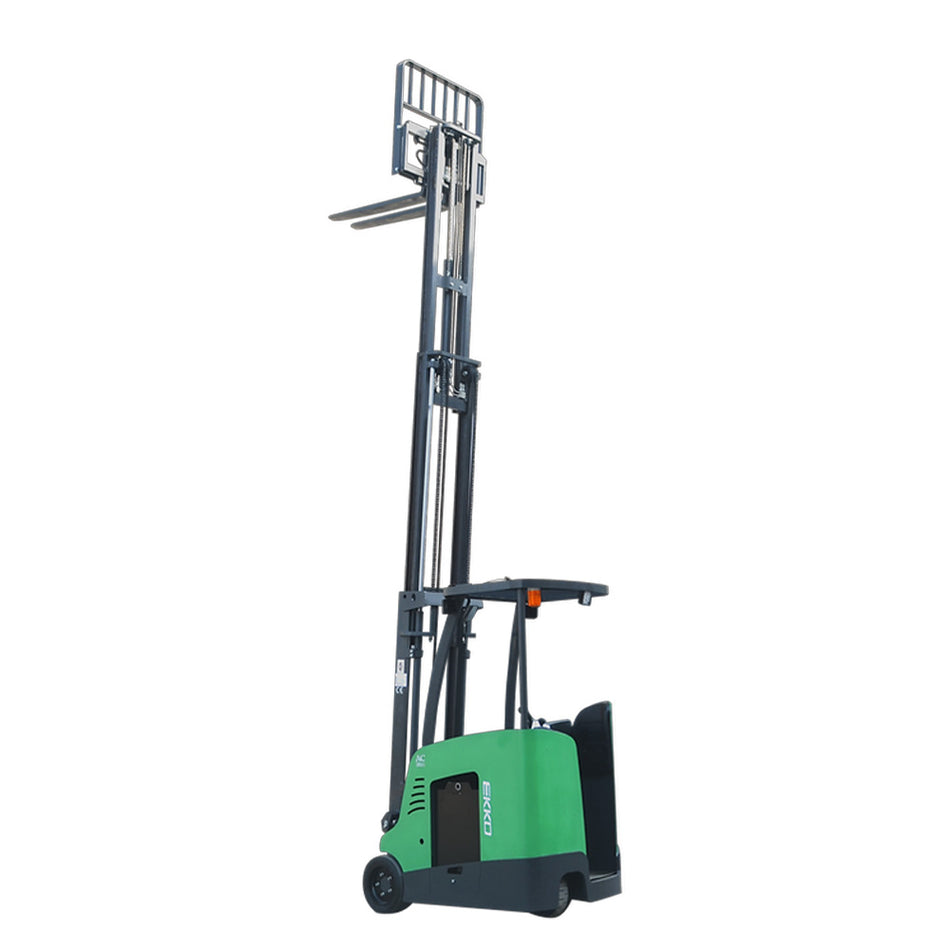
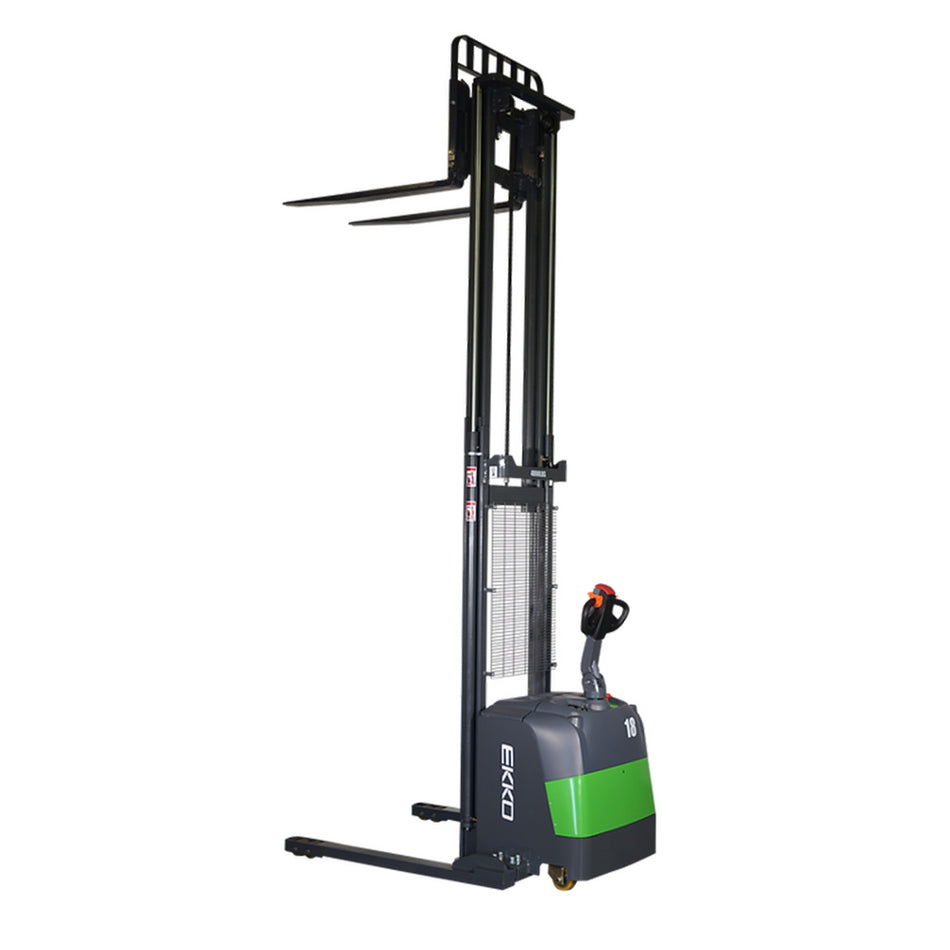
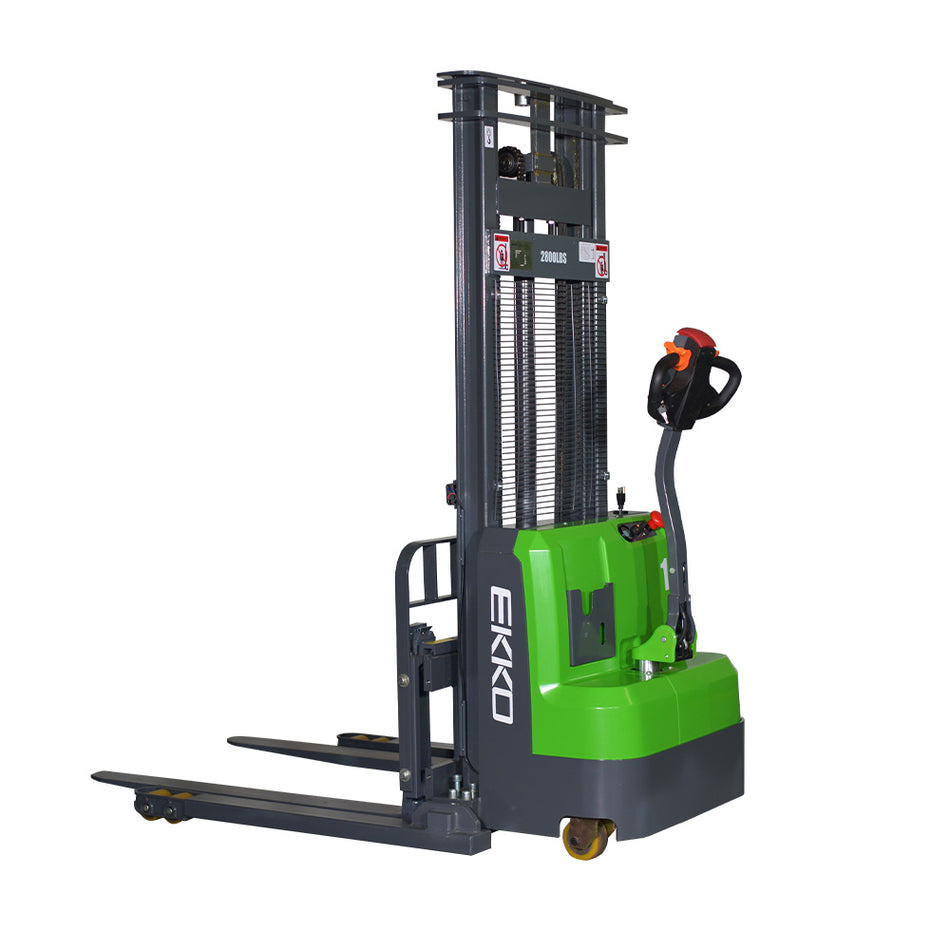
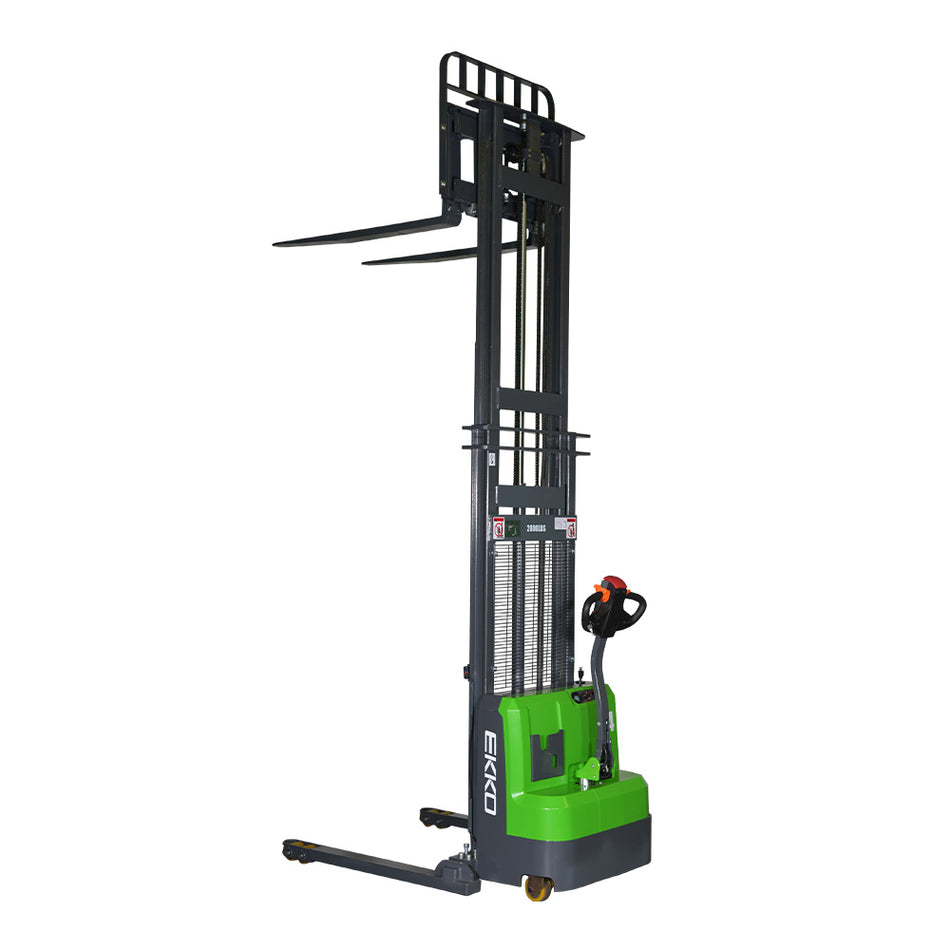
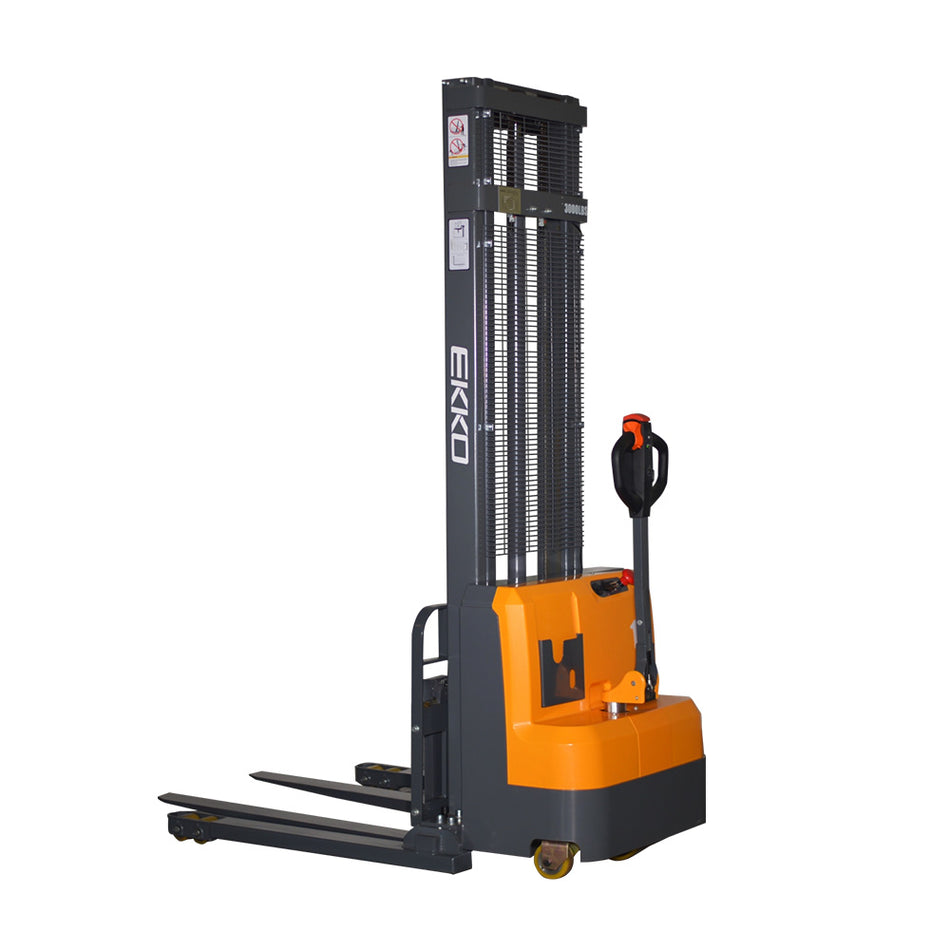
Electric Pallet Jacks Frequent pallet movement and heavier loads Reduces operator fatigue and improves productivity
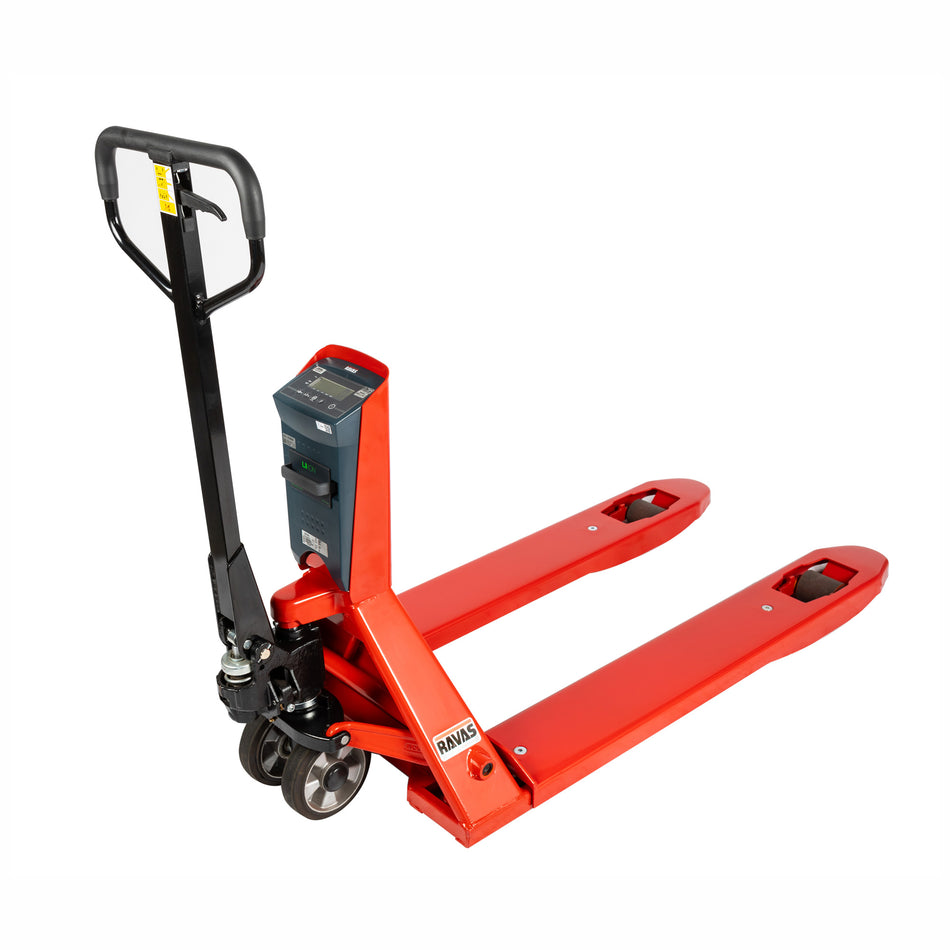
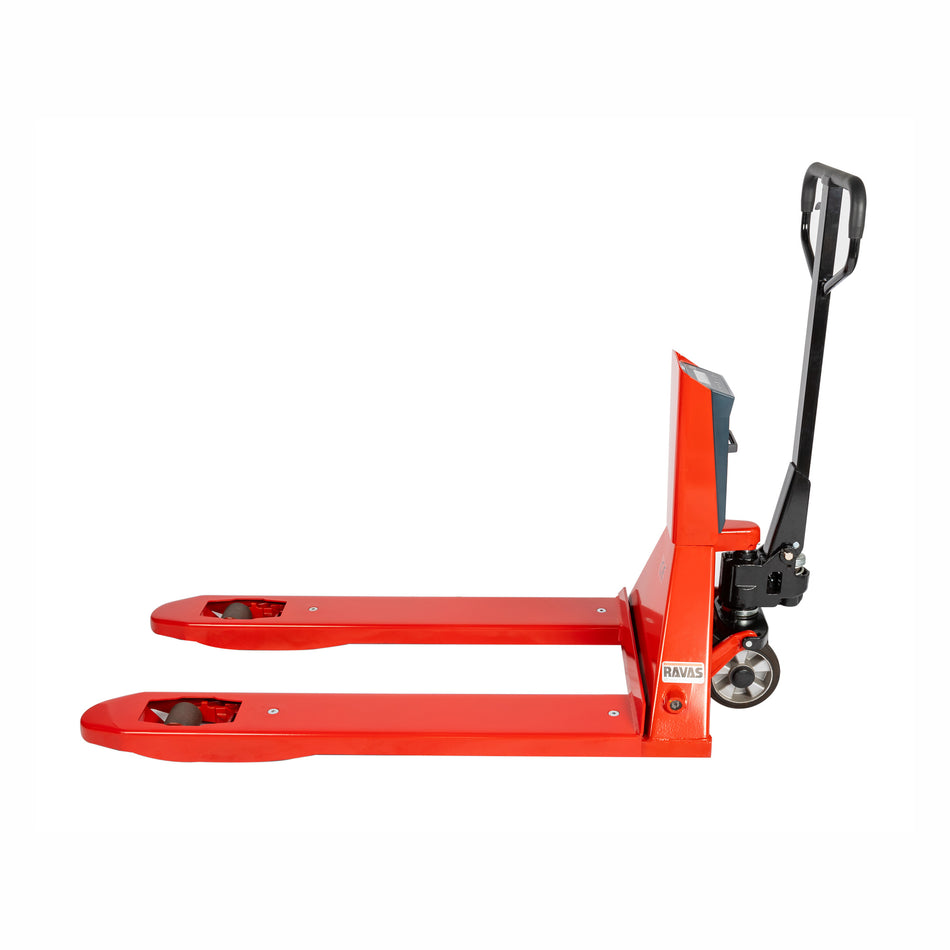
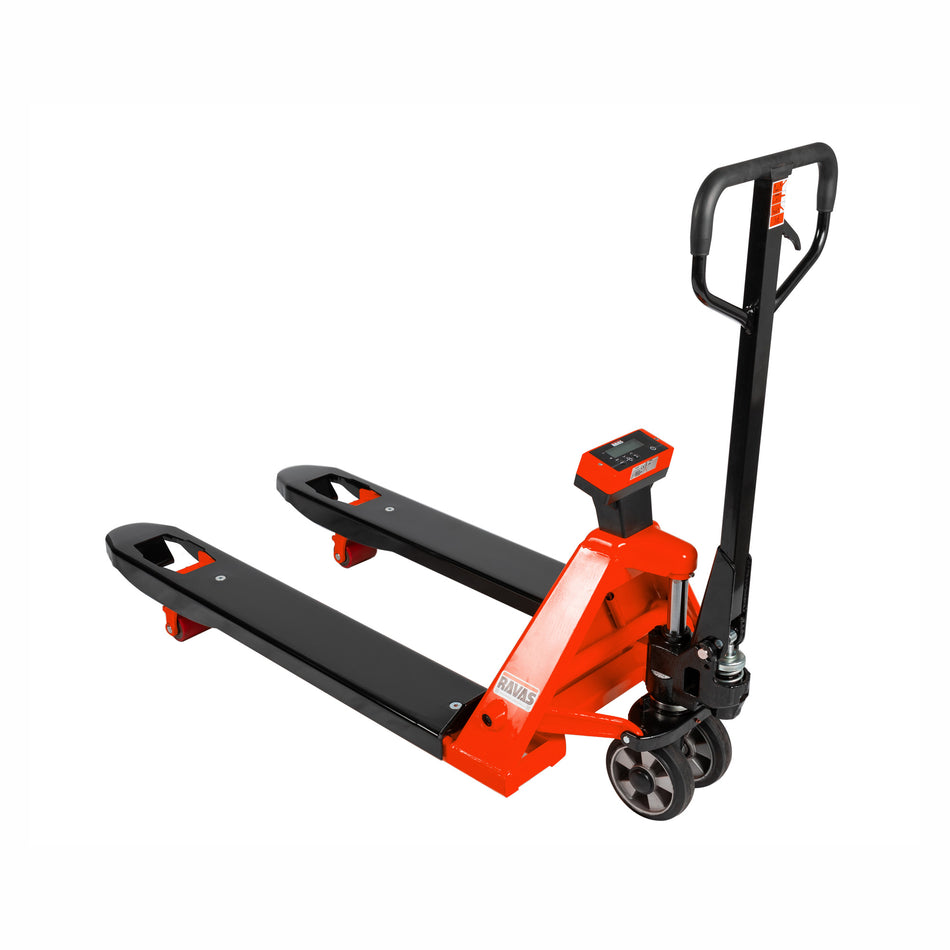
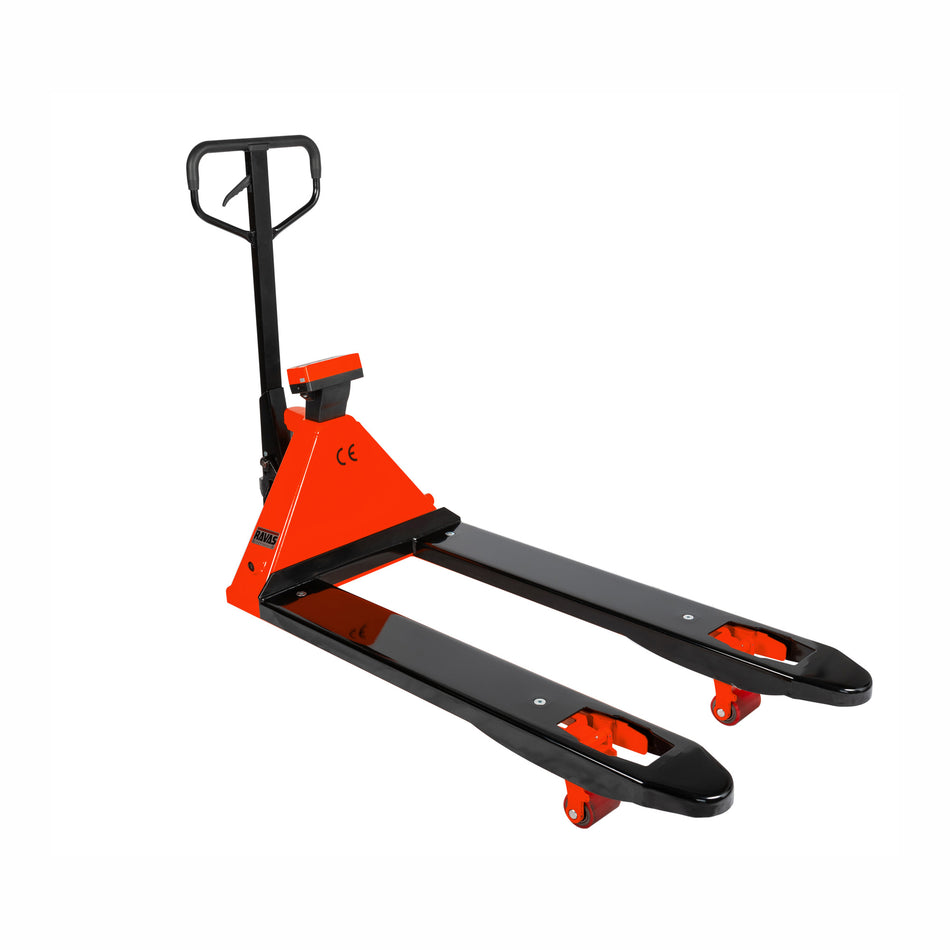
Scale Trucks Shipping, receiving, and inventory operations Move and weigh pallets in one workflow
Stainless Steel Pallet Jacks Washdown and sanitary environments Corrosion resistant and easier to sanitize

Filter products

The highest price is $47,599.00
$
$

60 Products

How to Choose a Pallet Jack

Choosing the right pallet jack depends on load capacity, pallet size, aisle width, floor conditions, and how frequently pallets are moved. Manual pallet jacks are commonly used for standard warehouse operations and short travel distances because they are simple, durable, and cost-effective. Electric pallet jacks and powered pallet jacks are better suited for operations with higher daily pallet movement, heavier loads, or larger facilities where reducing operator fatigue and improving efficiency are important.

Scale trucks and pallet jacks with integrated scales help streamline shipping, receiving, freight handling, and inventory workflows by allowing operators to weigh palletized loads while transporting them. Stainless steel pallet jacks are commonly used in food processing, pharmaceutical, and washdown applications where corrosion resistance and sanitation are priorities.

Common Pallet Jack Applications

Pallet jacks are used throughout warehouses, distribution centers, manufacturing facilities, retail stockrooms, loading docks, shipping departments, and food processing operations. They help move palletized loads safely and efficiently while improving overall material handling productivity.

Frequently Asked Questions

What is the difference between a manual and electric pallet jack?

Manual pallet jacks use a hydraulic pump operated by the user and are ideal for lighter-duty applications, shorter travel distances, and lower daily usage. Electric pallet jacks use battery-powered drive and lift systems to reduce operator effort, improve efficiency, and handle more frequent pallet movement throughout warehouses and distribution centers.

What capacity pallet jack do I need?

The required pallet jack capacity depends on the maximum pallet weight in your operation. Common capacities include 4,500 lb, 5,500 lb, and 6,000 lb models. Always choose a pallet jack rated above your heaviest expected load to help improve safety and equipment longevity.

When should I use a stainless steel pallet jack?

Stainless steel pallet jacks are commonly used in food processing facilities, pharmaceutical operations, clean rooms, chemical environments, and washdown applications where corrosion resistance and sanitation are important.

What are pallet jacks with scales used for?

Pallet jacks with integrated scales allow operators to move and weigh palletized loads at the same time. They are commonly used in shipping, receiving, freight handling, inventory management, and logistics operations where load weight verification is important.

Are electric pallet jacks worth it?

Electric pallet jacks are often worth the investment for facilities with high pallet movement volumes, longer transport distances, or heavier loads. They can help reduce operator fatigue, improve productivity, and increase efficiency in busy warehouse environments.